

‘Animal, Vegetable, Miracle’ written with love and charm
Do we curse the rain because it keeps us from washing the car on our day off? Or, in the midst of a drought, do we consider the downpour a blessing for the local farmer who grows food for our table?
It’s one of many questions at the heart of Barbara Kingsolver’s new book, “Animal, Vegetable, Miracle: A Year of Food Life” (HarperCollins, $26.95), which is both charming memoir and persuasive journalism – the latest in a parade of best-sellers to explore where food comes from, and the wisdom of fruits and vegetables traveling farther than the average vacationing family.
If more food were grown “locally” in its natural season, Kingsolver argues, we would better appreciate the rain and reward the farmer. But if we depend on industrialized agriculture – which trucks mass-produced tomatoes and asparagus cross-country any time of the year – there’s little connection to the local farmer or the summer tomato, and future generations will bear environmental costs, she continues.
“We mostly consider the food industry to be a thing rather than a person,” she writes. “We obligingly give 85 cents of every food dollar to that thing, too – to processors, marketers and transporters. And we complain about the high price of organic meats and vegetables that might send back more than three nickels per buck to the farmers.”
The book blossoms with rich detail as the family journeys from a processed-food-laden life in the Arizona desert to a back-to-the-land experiment in an Appalachian hollow of southwestern Virginia. They vow to work the farm and live only on local or home-grown food for a full year. Each season – and chapter – unfolds with a natural rhythm and mouth-watering appeal.
A genuine food culture, Kingsolver notes, “is an affinity between people and the land that feeds them.” When she and her husband vacation for two weeks in Italy, they find both affinity and passion for regional foods, which prompts them to wonder about America: “Can we only love agriculture on postcards?”
Kingsolver is at her best when she lets the food and her family’s experiences do the talking, such as her young daughter Lily’s foray into chicken farming. “One of the earliest lessons in poultry husbandry we had to teach her was, ‘Why we don’t kiss chickens on the mouth.”‘
By year’s end, Lily is smartly marketing eggs of many colors and earning money toward the purchase of a horse.
Arts and Entertainment
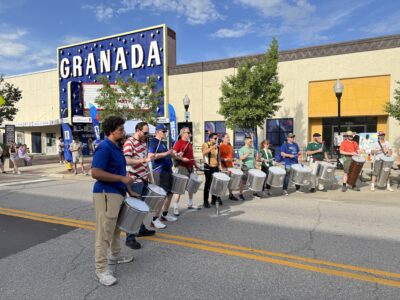
Photos: Lawrence begins World Cup festivities with downtown block party
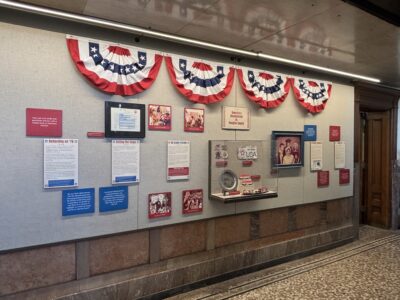
Watkins Museum to open special exhibit detailing how Douglas County celebrated America’s Bicentennial
Go, See, Do: Kaw River Roots Festival, markets and more
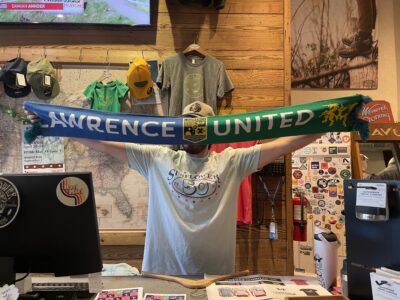
Soccer gear honoring Lawrence history’s all-star team is now on sale as part of city’s public art exhibition

Nominations, call for artists open for Lawrence’s 2026 Phoenix Awards