

Unity government suffers setback
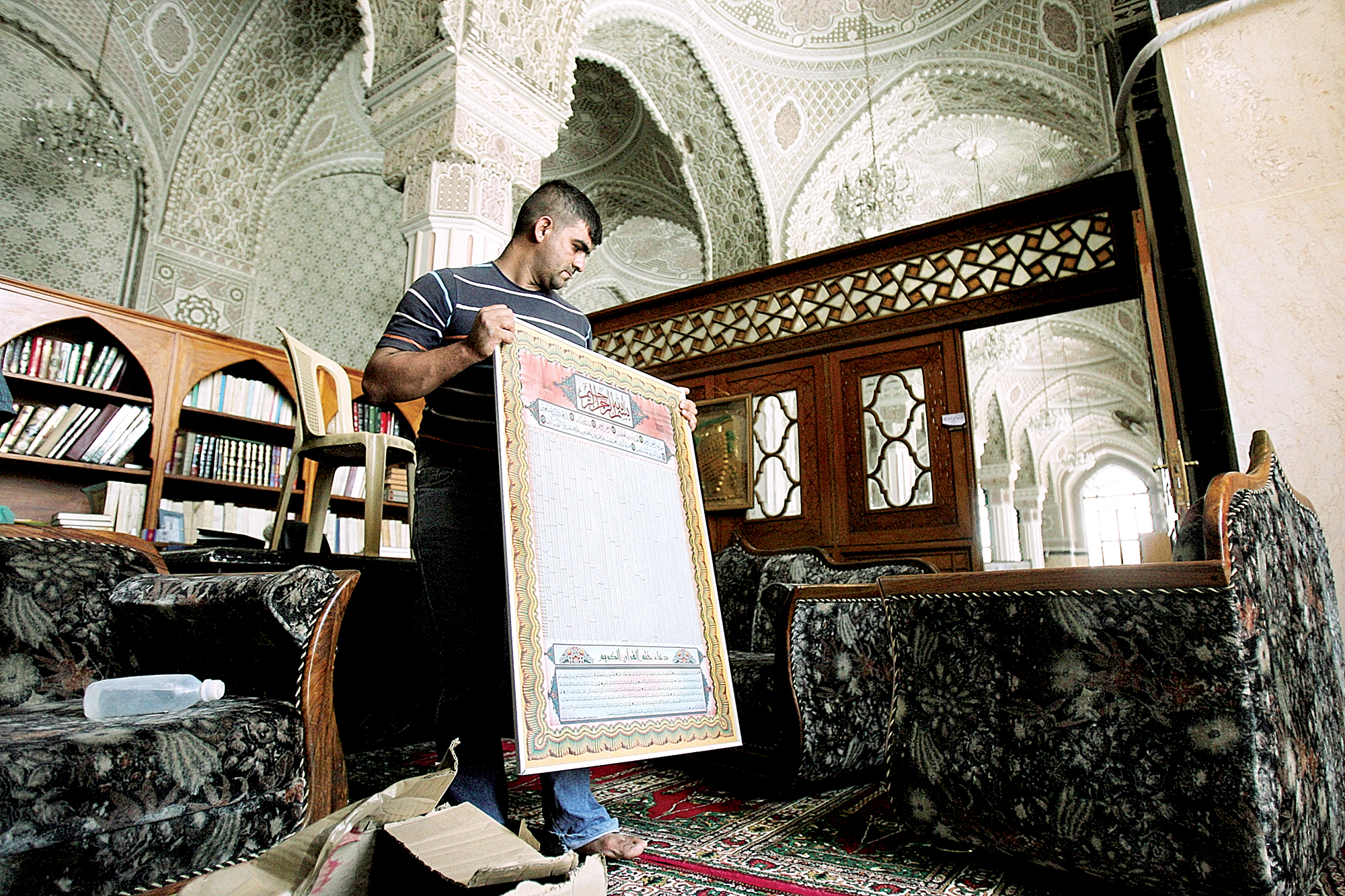
An employee of the Abu Hanifa mosque in the Azamiyah neighborhood of north Baghdad surveys the damage after Iraqi troops raided the mosque on Monday. Acting on tips from local residents, a U.S. military statement said, Iraqi soldiers searched the mosque and uncovered a sizeable cache of weapons in the courtyard.
U.S. deaths in Iraq
As of Monday, at least 3,674 members of the U.S. military have died since the beginning of the Iraq war in March 2003, according to an Associated Press count.
Baghdad ? Iraq’s political crisis worsened Monday as five more ministers announced a boycott of Cabinet meetings – leaving the embattled prime minister’s unity government with no members affiliated with Sunni political factions.
Meanwhile, a suicide bomber killed at least 28 people in a northern city, including 19 children, some playing hopscotch and marbles in front of their homes. And the American military reported five new U.S. deaths: Four soldiers were killed in a combat explosion in restive Diyala province north of the capital Monday, and a soldier was killed and two were wounded during fighting in eastern Baghdad on Sunday.
The new cracks in Prime Minister Nouri al-Maliki’s government appeared even as U.S. military officials sounded cautious notes of progress on security, citing strides against insurgents linked to al-Qaida in Iraq but also new threats from Iranian-backed Shiite militias.
Despite the new U.S. accusations of Iranian meddling, the U.S. and Iranian ambassadors met Monday for their third round of talks in just over two months. A U.S. embassy spokesman called the talks between U.S. Ambassador Ryan Crocker and his counterpart, Hassan Kazemi Qomi, “frank and serious.”
But it was al-Maliki’s troubles that seized the most attention.
The Cabinet boycott of five ministers loyal to former Iraqi leader Ayad Allawi left the government, at least temporarily, without participants where were members of the Sunni political apparatus – a deep blow to the prime minister’s attempt to craft reconciliation among the country’s majority Shiites and minority Sunnis and Kurds.
The defense minister is from a Sunni background but has no political ties and was chosen by al-Maliki.
National

Suspect in Texas shooting had fired at police days earlier, officials say

Man pleads guilty to killing a top Minnesota Democrat and her husband
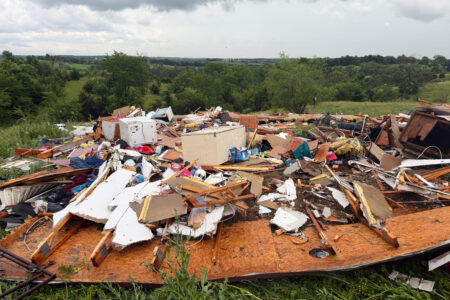
New tornadoes outside Chicago as severe storms pummel the Midwest

Feds won’t seek death penalty in plea deal with man accused of killing top Minnesota Democrat

NASA unveils astronauts to test tech for future moon landing
Social Security’ fund faces shortfall one year earlier than expected
WASHINGTON (AP) — Social Security 's retirement trust fund is projected to face a funding shortfall in 2032, a ...