Bipartisan panel reaches agreement on Iraq policy
Washington ? A bipartisan commission, under pressure to offer a U.S. exit strategy for the increasingly unpopular war in Iraq, has reached a consensus and will announce its recommendations next week, the group’s co-chairman said Wednesday.
Former Rep. Lee Hamilton, D-Ind., declined to disclose any specifics about the Iraq Study Group’s decisions. The report, much anticipated by the Bush administration and members of Congress, is coming out next Wednesday amid the spiraling violence in Iraq that has raised questions about the viability of the Iraqi government.
“This afternoon, we reached a consensus … and we will announce that on December 6,” Hamilton told a forum on national security at the Center for American Progress, a liberal group.
“We’re making recommendations,” said Hamilton, who led the group with former Secretary of State James A. Baker III.
Defense officials, meantime, said the Pentagon is developing plans to send four more battalions to Iraq early next year, including some to Baghdad.
The extra combat engineer battalions of Army reserves would total about 3,500 troops and would come from around the United States, said officials who spoke on condition of anonymity because the deployments have not been announced.
President Bush is under growing pressure to withdraw substantial numbers of U.S. troops while shifting more responsibility to the Iraqi government. Even so, top military commanders have said they would consider increasing U.S. troop levels, at least temporarily, if they deemed it necessary.
Meanwhile, the South Korean government announced today plans to withdraw all its troops from Iraq by the end of 2007.
The move, subject to parliamentary approval, comes after Seoul said it planned to reduce its forces in the war-torn country – where it had been the third-largest contributor of international forces to stabilization efforts there.
In a meeting with government officials and the ruling Uri Party, they agreed to end operations in Iraq in 2007, the party said.
South Korea sent troops to the northern Iraq city of Irbil in 2004 to support U.S.-led actions there, but has been gradually reducing its presence.
Seoul’s current contribution of 2,300 troops makes it Washington’s biggest coalition partner after Britain.
National
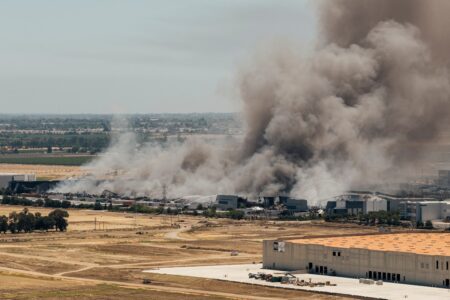
Unhealthy air quality in California city as huge warehouse fire burns for 3rd day
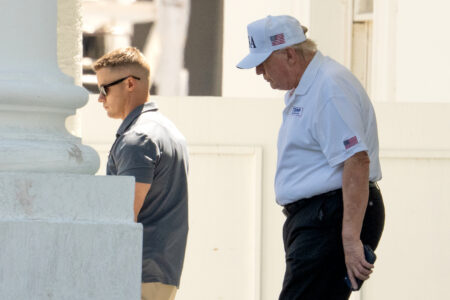
Judge orders Trump administration to restore National Park changes at sites that ‘disparaged’ US
Teens’ reading and math scores have stagnated, US test results show
WASHINGTON (AP) — Younger students have regained ground academically after the pandemic's disruptions while older ...
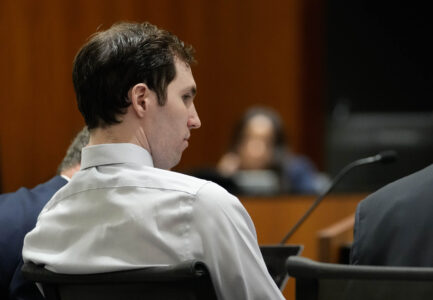
Lawyers for man accused of killing Charlie Kirk try to block death penalty
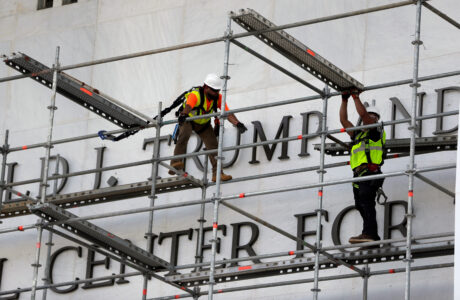
Trump’s name poised to come off Kennedy Center