Experts say plan for Iraq seems up in the air
Washington ? A “stay-the-course” U.S. policy in Iraq has suddenly veered toward a “change-the-course” posture, but with little certainty about what it will be changed to.
After three years of repeated insistences by President Bush that he would accept nothing short of victory in Iraq and that the proper policy was in place to achieve that end, everything appears up in the air amid an intense flurry of new studies and proposals about the war.
Which of the recommendations the White House will adopt is unclear, but rising public anger over the war reflected in the congressional elections has most observers believing the administration has little choice but to shift gears.
“They’re looking for a way out,” Rep. Ike Skelton, D-Mo., said of the administration.
The most widely anticipated recommendations are those of the bipartisan Iraqi Study Group, led by former Secretary of State James Baker and former Rep. Lee Hamilton, expected early next month.
“The Baker-Hamilton commission may come up with something,” said Skelton, who will be the new chairman of the House Armed Services Committee. “My guess is (the White House) will embrace all or part of it and head for the door. They lost the election on this issue, and it’s resonating in the administration.”
Loren Thompson, chief operating officer of the Lexington Institute who has close ties to many Pentagon officials, agrees that the White House understands it needs help. He said Bush would love for a realistic plan for victory but will accept a graceful way out of Iraq.
“The Bush administration would very much like some sort of silver-bullet solution to the Iraq dilemma,” Thompson said. “However, it will settle for any reasonable pretext that allows a reduction in the American presence.”
Analysts say the Baker panel’s proposals are likely to include redeploying U.S. troops to safer spots in Iraq or elsewhere in the region, setting benchmarks for Iraqi progress in working toward stability and bringing Iran and Syria into a regional conference to discuss Iraq’s future.
Meanwhile, more ideas will be coming from other quarters in the next few weeks.
¢ The new Democratic leaders of Congress are pushing for a redeployment of troops within four to six months or sooner.
¢ Gen. Peter Pace, chairman of the Joint Chiefs of Staff, is doing his own study of Iraq policy.
¢ Secretary of State Condoleezza Rice delayed a trip to Asia to brainstorm on Iraq.
¢ British Prime Minister Tony Blair, a key Bush ally, now is calling for a shift in policy on the Middle East, including trying to bring Iran in as a partner.
¢ Confirmation hearings next month for Robert Gates as the new defense secretary will spark more proposals on Iraq, and the White House is conducting an internal review of Iraq policy.
National
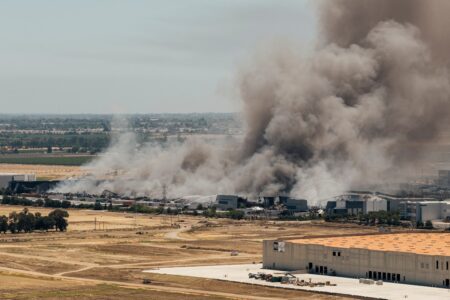
Unhealthy air quality in California city as huge warehouse fire burns for 3rd day
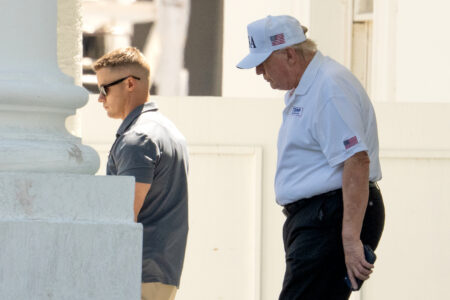
Judge orders Trump administration to restore National Park changes at sites that ‘disparaged’ US
Teens’ reading and math scores have stagnated, US test results show
WASHINGTON (AP) — Younger students have regained ground academically after the pandemic's disruptions while older ...
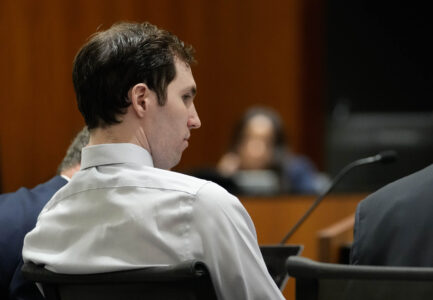
Lawyers for man accused of killing Charlie Kirk try to block death penalty

Trump’s name poised to come off Kennedy Center