‘State of the Arctic’ report finds warming with widespread melting
Washington ? Signs of warming continue in the Arctic with a decline in sea ice, an increase in shrubs growing on the tundra and greater concern about the Greenland ice sheet.
“There have been regional warming periods before. Now we’re seeing Arctic-wide changes,” James Overland, an oceanographer at the Pacific Marine Environmental Laboratory in Seattle, said Thursday.
For the past five years, it was at least 1.8 degrees Fahrenheit above average over the Arctic during the entire year, he said.
The new “State of the Arctic” analysis, released by the National Oceanic and Atmospheric Administration, also reports an increase in northward movement of warmer water through the Bering Strait in 2001-2004. This may have contributed to a continuing reduction of sea ice.
During that time, there were record lows in sea ice coverage in the region, Overland said. This year there was more normal coverage in the Bering area but a record low on the Atlantic side of the Arctic.
In the past when such a shift occurred, there would have been no net loss of ice overall, just a change in where there was a smaller amount. Now, however, there is both the shift and an overall net loss of ice, he said.
Indeed, the report said Arctic sea ice coverage in March was the lowest in winter since measurements by satellite began in the early 1970s.
Jacqueline A. Richter-Menge of the Cold Regions Research and Engineering Laboratory in Hanover, N.H., said the sea ice decline is now being observed in winter and summer.
The study was designed to assess the overall impact of climate change in the Arctic and will be updated annually. It was compiled by researchers from the United States, Canada, France, Germany, Poland, Norway, Sweden and Russia, she said.
In addition, 2007 has been designated the International Year of the Arctic, with intense scientific study of the region planned.
Overland said the changes are affecting wildlife in the Arctic. Those in the middle levels of the ocean, such as pollock, seem to do well; those on the surface ice or the sea floor, such as walrus or crabs, are not coping as well.
National
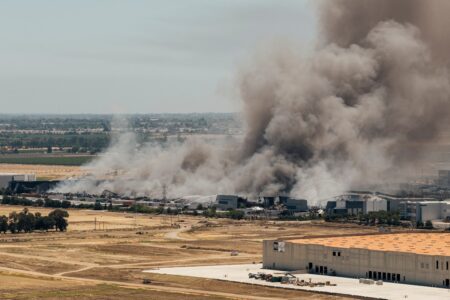
Unhealthy air quality in California city as huge warehouse fire burns for 3rd day

Judge orders Trump administration to restore National Park changes at sites that ‘disparaged’ US
Teens’ reading and math scores have stagnated, US test results show
WASHINGTON (AP) — Younger students have regained ground academically after the pandemic's disruptions while older ...

Lawyers for man accused of killing Charlie Kirk try to block death penalty

Trump’s name poised to come off Kennedy Center