

News of the Weird
Lead story
Britain’s Prince Philip has, for at least 30 years, accommodated a tribe of 400 “cargo cult” people on the South Sea island of Tanna, who revere him as the human face of an ancestral spirit, according to June revelations by London’s Daily Mail. Both sides have been discreet, but the prince has acquiesced by sending the tribe signed photographs, including one in which he is holding the traditional war club (even though a totally authentic pose would require that the prince hold it while naked). Cargo cults are so named because, lore has it, an ancient god forecast that, one day, wealth would fall from the sky, and then, during World War II, it did, in the form of parachuted-in supplies for American troops who used the islands as staging areas.
Compelling explanations
Ronald Blankenship, a shoe repairman in Birmingham, Ala., finished second in June’s Democratic primary for sheriff and was placed in a run-off, when the Birmingham News discovered details of an apparently shady past: faking his death in connection with an insurance policy, assault and passing bad checks. Blankenship’s defense, a week later: It must be another Ronald Blankenship (even though “both” men have the same middle name and birth date and coincidentally are married to women with the same first, middle and maiden names).
The latest American right
In the course of an April ruling that the New York City school system had gone too far by firing Toquir Choudhri for poor work habits, administrative law judge John Spooner declared that city workers have a “right” to surf the Internet for personal use while at work. Choudhri was expecting reinstatement, but two weeks later Chancellor Joel Klein fired him anyway, citing poor work habits beyond his Web surfing. (Choudhri was unavailable for comment, in that he was suspected of being on leave in a country on whose tourist Web sites he had been lingering.)
Arts and Entertainment
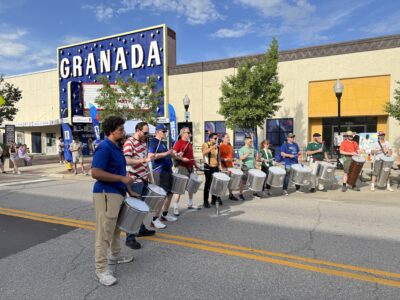
Photos: Lawrence begins World Cup festivities with downtown block party
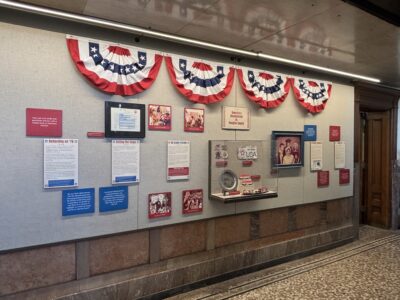
Watkins Museum to open special exhibit detailing how Douglas County celebrated America’s Bicentennial

Go, See, Do: Kaw River Roots Festival, markets and more
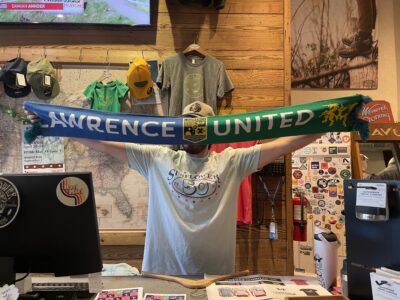
Soccer gear honoring Lawrence history’s all-star team is now on sale as part of city’s public art exhibition

Nominations, call for artists open for Lawrence’s 2026 Phoenix Awards