Facility to go offline
The tap water might taste a little different this week for residents east of Iowa Street.
The city will take the Kaw River Water Treatment Facility offline today through Friday to perform maintenance on a raw water line. That means all of the drinking water in the city will come from Clinton Lake.
“A lot of people won’t even notice it, but there are people that are a little bit more sensitive to the taste,” said Chris Stewart, the city’s interim director of utilities.
The Clinton Reservoir Water Treatment Facility, at 21st Street and Wakarusa Drive, will serve as the water provider this week.
The Clinton facility supplies water from Clinton Lake, and the Kaw facility receives its water from the Kansas River and wells.
Taking the Kaw plant offline will allow crews to replace valves on a raw water line and to inspect the line in place since the 1970s, Stewart said.
The utilities department performs maintenance at both treatment plants during winter months because water usage and demand is lower, he said.
Both plants treat water to meet certain federal and state regulations for health and safety. After treatment, Stewart said, there is little change in physical parameters of the water, such as dissolved solids in the water.
According to data in the city’s Consumer Confidence Report – an annual report card on water quality – the Clinton plant measured a slightly lower detection range of its pH level in water compared to the Kaw plant. Data on the Kaw plant also featured several categories of higher detection ranges of secondary contaminants, such as calcium, magnesium, sodium, potassium, chloride and sulfate.
Measuring secondary contaminants provides guidelines for water taste.
“There’s a little bit of a slight difference as far as the taste goes,” Stewart said. “A lot of people won’t even notice it.”
The city notified industrial businesses Friday of the change as a courtesy in case they needed to adjust some process that may be sensitive to a slight water quality change, Stewart said.
Some customers along the city’s southern and western edges may receive water from each of the plants at normal times because distribution often changes with water demand.
City Government
A STAR Bond application raises questions for city leaders about Costco and housing west of the SLT
Soccer gear honoring Lawrence history’s all-star team is now on sale as part of city’s public art exhibition
To honor public servants, Lawrence’s July 4 celebration will have a whole gallery of their photos on display; submissions open now

North Lawrence study consultants look at possibilities for a grocery store, food truck park, traffic calming and more
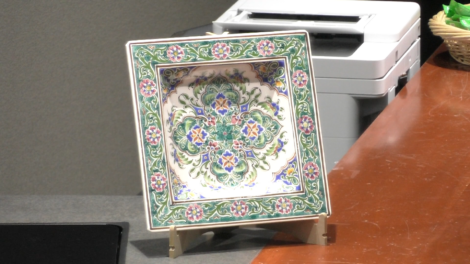
Algerian ambassador gives Lawrence a gift for supporting national team – a piece of art