Aging face of HIV poses new challenges
New York ? Pat Shelton has had the AIDS virus for at least 15 years, and struggles with hepatitis C and high blood pressure. But what is bothering her most on this sultry summer day are hot flashes.
“I’ve gone through hell with my menopause,” said Shelton, an elegant woman who recently swapped her dreadlocks for a close-cropped look while trying to stay cool. “It’s kicking me. But HIV, I’ve been very blessed. I don’t know why.”
The 53-year-old Shelton, whose drug regimen has kept her HIV from developing into full-blown AIDS, in many ways represents the changing face of the HIV population in New York and across the country: They are getting older and presenting new challenges to health care providers.
In New York City, the epicenter of AIDS in the United States, 30 percent of the 100,000 people with HIV are older than 50, and 70 percent are older than 40, according to the city health department. Nationwide, 27 percent of people with AIDS are now older than 50, the Centers for Disease Control reported.
“Here is a group of people who, yes, they have HIV, but they’re going to get other illnesses,” said Stephen Karpiak, the associate director of research for the AIDS Community Research Initiative of America. “And we don’t know the interaction of all the drugs. There are God knows how many hundreds of drugs used by folks for cardiac issues, osteoporosis, arthritis – we don’t know those interactions at all.
“No one’s ever looked at them. Someone needs to do trials.”
Karpiak’s agency conducted a study, released this week, that examined the many challenges faced by people with the AIDS virus.
The AIDS service organizations that arose after the epidemic hit in the 1980s were designed to provide care and counseling to people facing shortened life spans. While there’s still no cure for AIDS, antiretroviral drugs have made it a manageable illness for many patients and prolonged their lives beyond what once seemed possible.
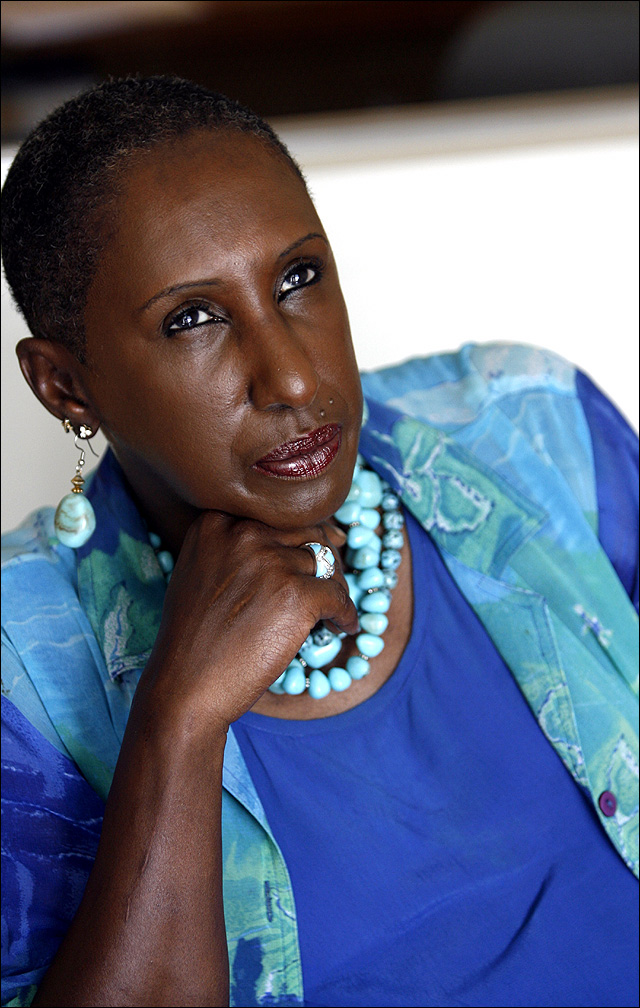
Pat Shelton is one of a growing number of AIDS patients who are 50 or older. Their health issues are presenting new challenges for AIDS service organizations and others.
As these patients age, they fall prey to a host of conditions that require medicines that may interfere with the effectiveness of AIDS drugs.
And that’s if the condition gets diagnosed at all. AIDS patients typically see infectious disease specialists who may not have their antennae out for unrelated diseases, Karpiak said.
They don’t look for age-related problems, he said, “That is not their profession.”
Because AIDS arose in the United States among gay men, a stigmatized group, it remains more ostracized than other diseases. Fearing rejection, people with AIDS often isolate themselves. Isolation becomes more of a problem with age, said Karpiak, who noted that 70 percent of the people in the study live alone.
Without friends and family, Karpiak said, older people with HIV turn to home health aides. That creates the potential of overburdening the system as the number of HIV-positive people older than 50 continues to rise.
Marjorie Hill of Gay Men’s Health Crisis, one of the nation’s largest AIDS service organizations, said 33 percent of the agency’s 15,000 clients are older than 50 – up from 25 percent two or three years ago.
Among the organization’s tailored services are meals and exercise classes better suited for older clients.
Shelton, a former drug user who tested positive for HIV in 1991, has been an AIDS peer educator since 1998. She is trained to give support but gets support herself at Copacetic Women, a group for women with HIV who are older than 50.
“I really don’t feel too comfortable sitting in a group with people my children’s age,” she said. “They’re not really going to open up or listen to what I really have to say. : We have concerns and health problems that the doctors are not taking care of. We needed a safe haven.”
National
Lawyers for man accused of killing Charlie Kirk try to block death penalty

Trump’s name poised to come off Kennedy Center

Suspect in Texas shooting had fired at police days earlier, officials say

Man pleads guilty to killing a top Minnesota Democrat and her husband
New tornadoes outside Chicago as severe storms pummel the Midwest