No burnout here
High-flying thrills power follow-up in racer series
When I was 8 years old, I loved Hot Wheels cars. I loved crashing them into each other. I loved making them drive off ramps made of open notebooks resting on pencil jars, careening into my pretend oblivion. If I had those toys now, I’d instinctively do the same. Luckily, Criterion made the Burnout series for people like me.
To bring you up to speed, “Burnout” was a decent arcade racer focused on incredibly fast driving and glorious crashes. “Burnout 2” made an entire mode out of crashing and quickly garnered a cult following. “Burnout: Takedown” added a Road Rage mode that focused on shoving your opponents into a mangled fate while taking all the racing, crashing and glorious rage online. Certainly “Burnout: Revenge” (PS2, Xbox) has a lot to live up to.
For the most part, “Burnout: Revenge” succeeds in polishing rough areas of “Takedown” while adding new flavors. Now you can “check” traffic. This simply means that you can bump any small or medium-sized cars on your side of the road off the road or into opponents, creating a welcome variable to the fast-paced mayhem. Bumping an enemy into a wall is a great way to score a takedown, but it’s even more satisfying to toss an innocent little coupe into the path of the enemy, forcing him to make sudden, fatal decisions. And, of course, the slow-motion, close-up camera angles show you every inch of the destruction you’ve caused. This is arcade racing at its best.
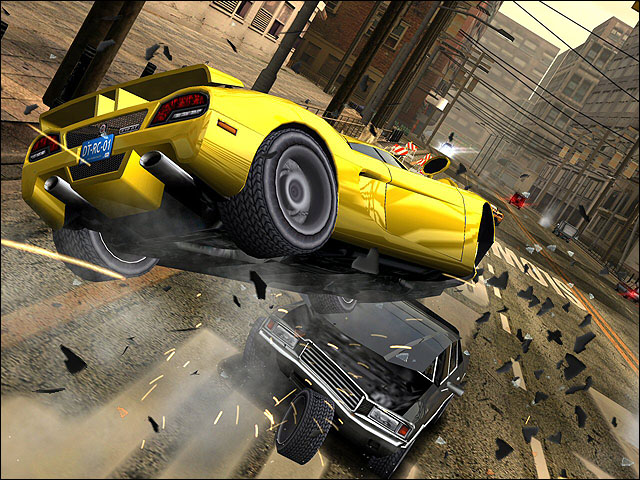
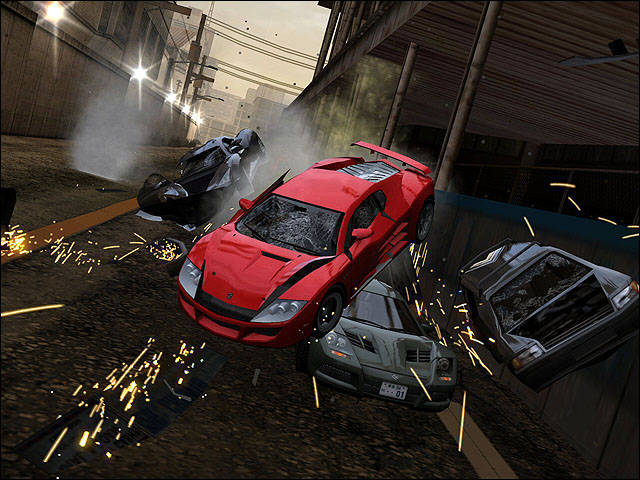
Criterion added many more opportunities to get major air, usually preceded by finding alternate routes that are mostly indicated by flashing blue lights. Sure, making the alternate routes so obviously takes away from the satisfaction of discovery, but the game is way too fast for it to be designed otherwise.
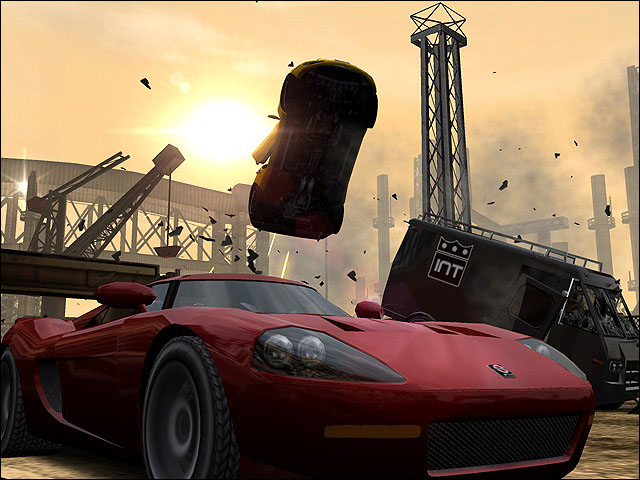
The Crashbreaker, the manual detonating of your vehicle, returns to Crash mode, but it also makes its debut in later game types in the single-player races. When you wipe out in a race, you still can steer your crashing car into enemies coming up behind you for the aftertouch takedown. But in some games (“Crashbreaker Race,” “Road Rage” or “Eliminator”), you can even detonate your crashbreaker, essentially taking the skill and reward out of the awesome race modes. Sure, it looks amazingly cool and is fun the first few times you do it, but the fact it takes little skill to impede your enemies’ progress and that not even they can use it on you trivializes the thrill of Burnout racing.
The main new mode is TrafficAttack, in which the new checking traffic element is glorified. It’s one big wonderland of bumper cars, increasing your time and score by causing minor pileups all along the track. Unfortunately, it’s really boring and comes nowhere near the innovation or exhilaration of the Road Rage or Crash mode innovations of Burnouts past.
Review: A-
Graphics: A
Sound: B+
First play: A
Last play: A-
Game play: A
Rating: E, for everyone
The graphics have been majorly improved on a couple of levels. It’s not necessarily sharper or smoother, but it IS grittier and more detailed. Where Takedown tried to copy real-life cars, Revenge boasts Criterion’s own designs, some of the best originals seen in any racing game.
In the end, Revenge does improve the Burnout formula enough to warrant a $50 receipt. But if you’re new to the series and strapped for cash, don’t hesitate to buy Takedown at its current $20 tag.
Arts and Entertainment

Watkins Museum to open special exhibit detailing how Douglas County celebrated America’s Bicentennial

Go, See, Do: Kaw River Roots Festival, markets and more

Soccer gear honoring Lawrence history’s all-star team is now on sale as part of city’s public art exhibition
Nominations, call for artists open for Lawrence’s 2026 Phoenix Awards
Go, See, Do: ‘Addams Family’, PRIDE parade and a host of library events among offerings