FBI: Some phones mistakenly tapped
Washington ? The FBI says it sometimes gets the wrong number when it intercepts conversations in terrorism investigations, an admission critics say underscores a need to revise wiretap provisions in the Patriot Act.
The FBI would not say how often these mistakes happen. And, though any incriminating evidence mistakenly collected is not legally admissible in a criminal case, there is no way of knowing whether it is used to begin an investigation.
Parts of the Patriot Act, including a section on “roving wiretaps,” expire in December. Such wiretaps allow the FBI to get permission from a secret federal court to listen in on any phone line or monitor any Internet account that a terrorism suspect may be using, whether or not others who are not suspects also regularly use it.
The bureau’s acknowledgment that it makes mistakes in some wiretaps – although not specifically roving wiretaps – came in a recent Justice Department inspector general’s report on the FBI’s backlog of intercepted but unreviewed foreign-language conversations.
The 38,514 untranslated hours included an undetermined number from what the FBI called “collections of materials from the wrong sources due to technical problems.”
Spokesman Ed Cogswell said that language describes instances in which the tap was placed on a telephone number other than the one authorized by a court.
“That’s mainly an instance in which the telephone company hooked us up to the wrong number or a clerical error here gives us the wrong number,” Cogswell said.
He had no estimate of how often that happens, but said that when it does the FBI is required to inform the secret court that approved the intercept.
The FBI could not say Friday whether people are notified that their conversations were mistakenly intercepted or whether wrongly tapped telephone numbers were deleted from bureau records.
Privacy activists said the FBI’s explanation of the mistaken wiretaps was unacceptably vague, and that in an era of cell phones and computers it is easier than ever for the government to access communications from innocent third parties.
“What do you mean you are intercepting the wrong subject? How often does it occur? How long does it go on for?” said James Dempsey, executive director of the Center for Democracy and Technology.
National
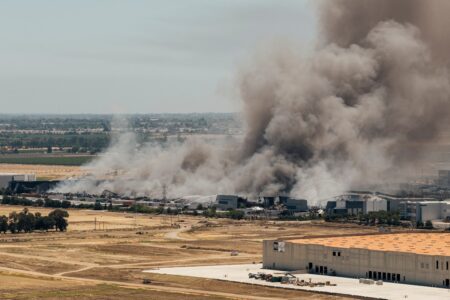
Unhealthy air quality in California city as huge warehouse fire burns for 3rd day
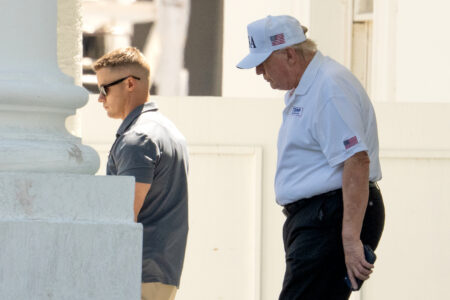
Judge orders Trump administration to restore National Park changes at sites that ‘disparaged’ US
Teens’ reading and math scores have stagnated, US test results show
WASHINGTON (AP) — Younger students have regained ground academically after the pandemic's disruptions while older ...
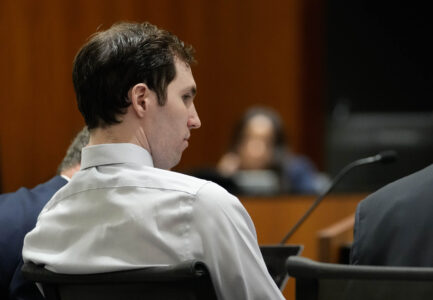
Lawyers for man accused of killing Charlie Kirk try to block death penalty

Trump’s name poised to come off Kennedy Center