Regents propose tax increase
Revenue would address maintenance backlog
The Kansas Board of Regents wants to raise taxes to deal with a $598 million maintenance backlog and continued upkeep of buildings on the state’s six university campuses.
But it is expected to be a difficult sell.
“It’s not going to be an easy deal to do,” said Sen. Les Donovan, R-Wichita, a member of the Legislative Post Audit Committee. “It’s not going to be easy to raise taxes in an election year.”
Senate President Stephen Morris, R-Hugoton, said making the plan fly was a high priority for him.
“It’s way past time to start trying to fix this problem,” he said. “I suppose it’s possible that we may not get it done this year, but I certainly want to try to get it done.”
The Regents approved the plan at their monthly meeting Thursday. They said the plan would cover the backlog and $74 million in annual maintenance needs.
The plan includes a proposed 1/10 cent statewide sales tax estimated to generate about $40 million annually. The sales tax would last 10 years. It calls for a $150 million bond issue. A 1 mill property tax increase for the Educational Building Fund would bring in about $30 million annually, costing the owner of a $150,000 home an additional $17.25 a year in property tax.
The entire plan would raise $1.5 billion in the next 15 years.
Regent Dick Bond said if political support for the plan is to be built it’s important to point out the seriousness of the problem.
“This is not a wish list of the six university CEOs,” he said. “Nor is it a wish list of the Board of Regents. … This is an effort to respond in a responsible way to the need.”

Under the plan, universities would chip in by finding the funding to cover annual maintenance and operation costs for any new privately funded building projects built in the future.
“This is a commitment we’re willing to make in order to show partnership and solidarity with the Legislature,” Kansas University Chancellor Robert Hemenway said. “What we’re trying to do is broker a deal. We’ll see whether or not we’re successful.”
Hemenway said that under the plan the university may have to ask donors to contribute for the maintenance and upkeep of buildings.
“I think that’s a whole new territory,” he said. “I don’t think it will be easy. It shows the degree to which we’re willing to make compromises with the Legislature to make sure we can deal with this problem.”
A 2004 Board of Regents’ “Report on State University Deferred Maintenance and Capital Renewal” found that lack of funding and aging buildings were the primary factors behind a maintenance backlog that, if not addressed, would grow to nearly $800 million by 2014. The report found that 80 percent of university buildings were at least 20 years old.
University buildings make up about two-thirds of all state buildings, according to the Regents.
“There isn’t going to be an easy answer,” said Donna Shank, chairwoman of the Regents. “And there isn’t going to be a cheap answer.”
The plan has several other elements, including:
¢ A change in policy that would require universities to report the impact of new buildings on existing facilities, including information about how much space is left in existing buildings when new buildings go up. The measure would be an extra check to make sure new construction is necessary and doesn’t leave useful but vacant space in buildings.
¢ Changing the way money is allocated for building upkeep so that it isn’t based solely on gross square footage, but takes into account the age and complexity of a building.
City Government
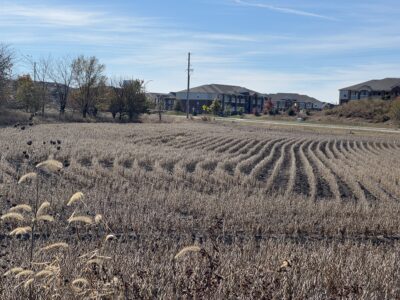
Developer seeks incentive from City of Lawrence to build 131 units of housing near Wakarusa and Queens

Lawrence city leaders will consider whether to keep Community Building open, make 2 other rec centers free to access
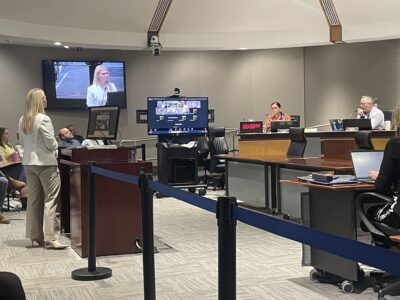
A STAR Bond application raises questions for city leaders about Costco and housing west of the SLT

Soccer gear honoring Lawrence history’s all-star team is now on sale as part of city’s public art exhibition
To honor public servants, Lawrence’s July 4 celebration will have a whole gallery of their photos on display; submissions open now