Sunshine state
Kansas has the sunflower, but do you know which blossoms represent the rest of the country? Here's a primer, just in time for Independence Day.
Americans enjoy many opportunities and privileges. Certainly one of the perks of living in this country is the amazing beauty that blankets the land from coast to coast. From deserts to marshes, mountains to prairies, the terrain reflects a little bit of every sentiment Mother Nature has to offer.
From that canvas, our forefathers and mothers designated a particular flower and tree to represent every state.
Choosing one species to embody an entire state is quite a task, and it’s one that our ancestors approached with great pride. But some of the decisions came with a sprinkle of controversy.
As we look to the booming skies this holiday weekend, let’s not forget to look down at Kansas’ showy sunflowers, whose saffron blooms follow the path of the sun.
Enjoy your freedoms, your families and your friends this weekend – and be sure to take time to smell the flowers.
State roll call
Violets and roses are the most popular state flowers. Four states have chosen the violet: Illinois, New Jersey, Rhode Island and Wisconsin. The rose has been championed by Georgia, Iowa, New York and North Dakota.
The rose is also the national flower of the United States.
Many state flowers originated in other parts of the world and were selected because of their beauty or importance, not because they represented the natural flora of the state. This precedent has been a source of controversy among legislators and nature lovers.
Native plant advocates have lobbied either to change state flowers that are not native or form another classification designating the native species as the “state wildflower.” Those lobbying for this change believe it would be more representative of the state and would further protect the designated wildflower from over-collection.
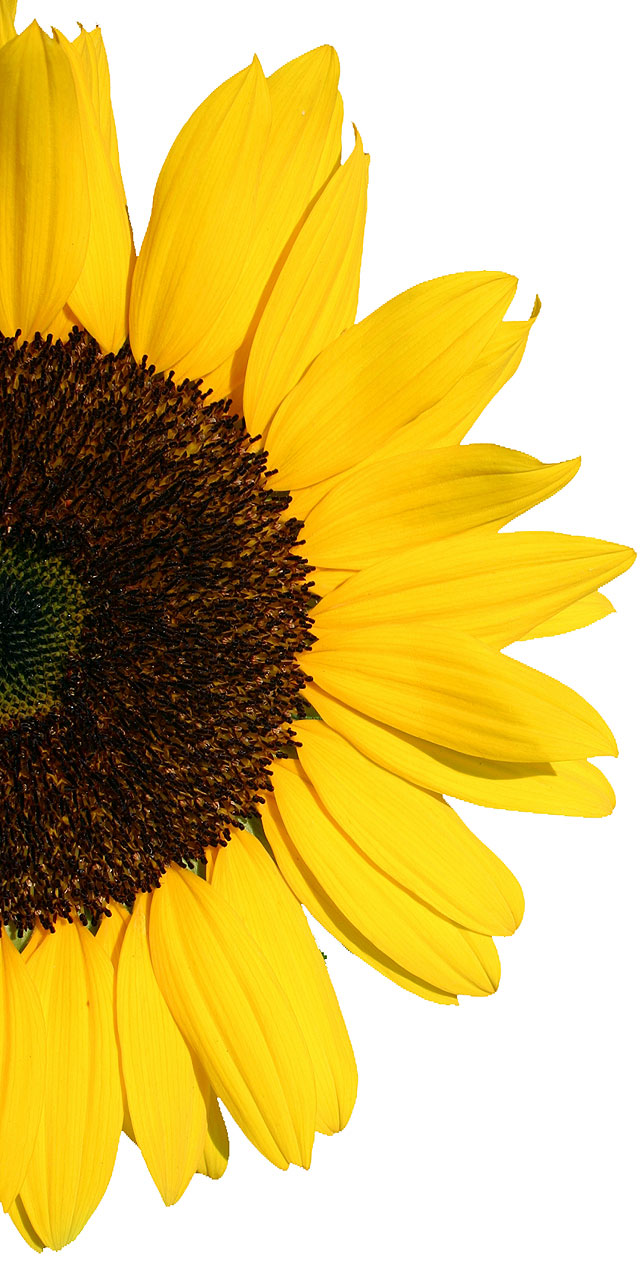
Sunflower
Here’s a look at each state’s official flower and when it was designated:
Alabama: camellia, 1959
Alaska: forget-me-not,1917
Arizona: saguaro cactus blossom, 1931
Arkansas: apple blossom, 1901
California: California poppy, 1903
Colorado: Rocky Mountain columbine, 1899
Connecticut: mountain laurel, 1907
District of Columbia: American beauty rose, no date
Delaware: peach blossom, 1895
Florida: orange blossom, 1909
Georgia: Cherokee rose, 1916
Hawaii: hibiscus, 1988
Idaho: syringa mock orange, 1931
Illinois: purple violet, 1908
Indiana: peony, 1957
Iowa: wild prairie rose, 1897
Kansas: sunflower, 1903
Kentucky: goldenrod, 1926
Louisiana: magnolia, 1900
Maine: Eastern white pine tassel and cone, 1895
Maryland: black-eyed Susan, 1918
Michigan: apple blossom, 1897
Minnesota: pink and white ladyslipper, 1893
Mississippi: magnolia blossom, 1952
Missouri: hawthorn, 1923
Montana: bitterroot, 1895
Nebraska: goldenrod, 1895
Nevada: sagebrush, 1917
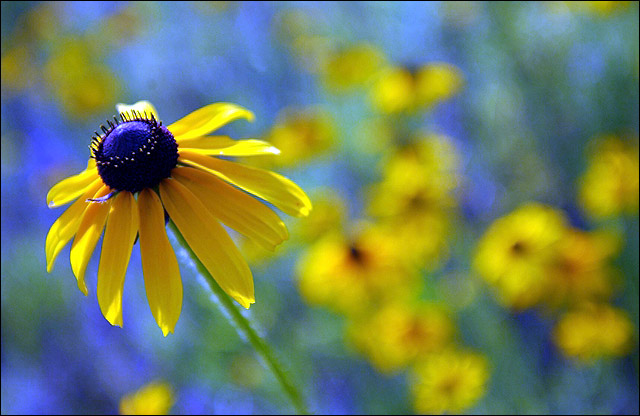
Black-eyed Susan
New Hampshire: purple lilac, 1919
New Jersey: violet, 1971
New Mexico: yucca, 1927
New York: rose, 1955
North Carolina: American dogwood blossom, 1941
North Dakota: wild prairie rose, 1907
Ohio: Scarlet carnation, 1904
Oklahoma: mistletoe, 1893
Oregon: Oregon grape, 1899
Pennsylvania: mountain laurel, 1933
Rhode Island: violet, 1968
South Carolina: yellow jessamine, 1924
South Dakota: pasqueflower, 1903
Tennessee: Iris, 1933
Texas: Texas bluebonnet, 1901
Utah: sego lily, 1911
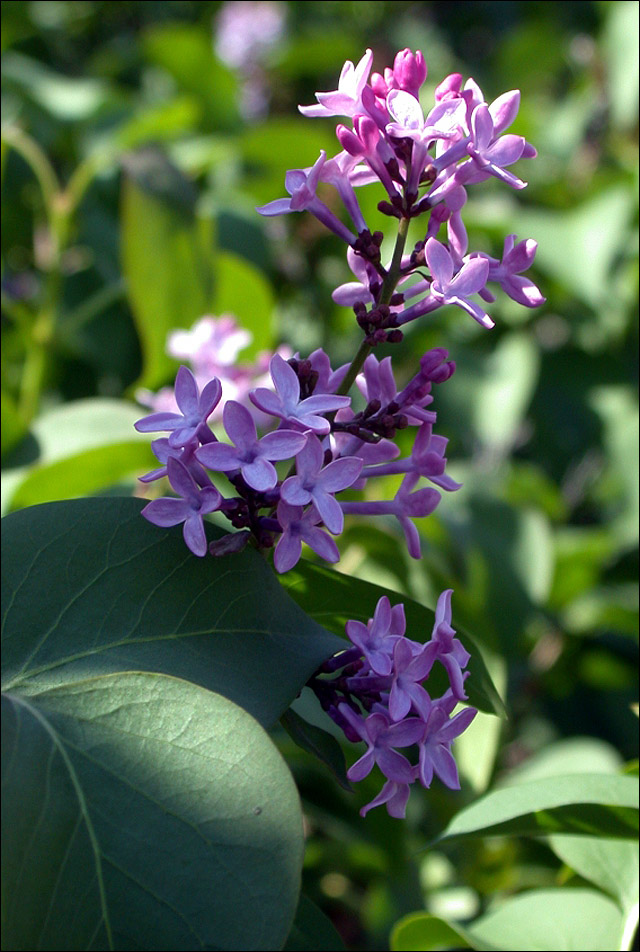
Lilac
Vermont: red clover, 1895
Virginia: flowering dogwood blossom, 1918
Washington: coast rhododendron, 1892
West Virginia: rhododendron, 1903
Wisconsin: wood violet, 1949
Wyoming: Indian paintbrush, 1917
Interesting tidbits
While I couldn’t possibly touch on every state (that would take the entire paper), I did discover some interesting, amusing and bizarre facts about many of these flowers and their inception into the history books.
Alabama: The goldenrod used to be the state flower of Alabama, but the ladies of Butler County thought it was an ugly weed and undeserving of such a prestigious title. They chose the camellia, even though the camellia originated in China. Later, concerned citizens addressed the legislature, asking for a flower with roots in Alabama. Thus, the oakleaf hydrangea was adopted as the official wildflower.
Alaska: In 1917, the bill proposing the forget-me-not as the official floral emblem of the territory of Alaska was supported by the following poem by Esther Birdsall Darling:
“So in thinking for an emblem
For this Empire of the North
We will choose the azure flower
That the golden days bring forth,
For we want men to remember
That Alaska came to stay
Though she slept unknown for ages
And awakened in a day.
So although they say we’re living
In the land that God forgot,
We’ll recall Alaska to them
With our blue Forget-me-not.”
Arizona: The saguaro cactus is the largest cactus in the U.S. It can attain a height of more than 50 feet and develop as many as 50 arms.
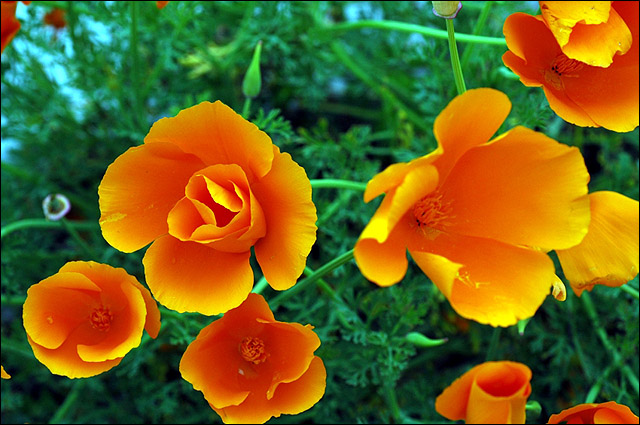
California poppy
California: Before civilizations spread throughout California, the California poppy ruled, forming blankets of gold on the landscape. It is said that Spanish settlers named the state the “land of fire.” When they later discovered the color came from sunglow on the red-gold poppies, they referred to the flowers as “cups of gold”.
Colorado: The Rocky Mountain columbine was overwhelmingly voted on by school children as the state flower. Of 22,316 votes cast, 14,472 went to the columbine. The cactus came in a distant second.
Florida: Ponce de Leon named the state in 1512 with the Spanish word for “flowery, covered with flowers or abounding in flowers.” The land of flowers had many choices for its official blossom, including the gardenia, but the orange blossom won out.
Illinois: The first of four states to select the violet as its state flower. Violets have been coined “nature’s vitamin pill” because they are high in vitamin A and contain more vitamin C (ounce for ounce) than oranges.
Kansas: Eleven species of sunflowers grow in Kansas. American Indians domesticated the sunflower seed nearly 3,000 years ago. Lewis and Clark make mention in their journals of the American Indians’ use of the flowers.
Montana: Montana’s Indians used bitterroot as part of their diet. Tribes timed their spring migrations with the blooming of the bitterroot on the gravel river bars and hillsides. At trading centers, a satchel full of bitterroot could be exchanged for a horse – a substantial price.
Ohio: Ohio’s state flower, the scarlet carnation, was chosen in honor of President William McKinley, who was born in the state and was often seen with the red carnation pinned to his lapel. He was assassinated in 1901, just before he was to start his second term.
Sources: www.laflowerdistrict.com, The United States National Arboretum, www.netstate.com, www.americanmeadows.com, American Gardener Magazine
City Government
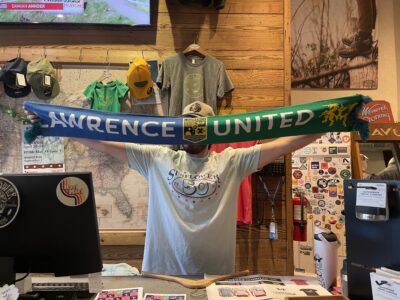
Soccer gear honoring Lawrence history’s all-star team is now on sale as part of city’s public art exhibition

To honor public servants, Lawrence’s July 4 celebration will have a whole gallery of their photos on display; submissions open now

North Lawrence study consultants look at possibilities for a grocery store, food truck park, traffic calming and more
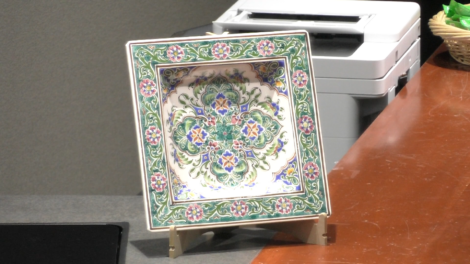
Algerian ambassador gives Lawrence a gift for supporting national team – a piece of art

Lawrence City Commission approves incentives for Alarm.com’s office project in downtown building