New U.S. envoy plans proactive role
Washington ? The new American ambassador to Iraq said Wednesday he plans to rethink the troubled Iraqi reconstruction program and will intensify U.S. efforts to help Iraq toward stability.
Zalmay Khalilzad, who soon will begin his new assignment as the top U.S. diplomat in Baghdad, told a group of foreign journalists that he wants to give Iraqis “greater control and responsibility” of the reconstruction effort at the same time the U.S. begins adopting a more “proactive” posture in most other areas.
Khalilzad also said he intends to begin talks with Iraqis about developing a schedule for reducing U.S. forces in Iraq. But he cautioned that troop reductions would come only when Iraqi forces were prepared to take on the job, emphasizing that “we will not leave Iraq in the lurch.”
Khalilzad, who earned a reputation as an aggressive diplomat in more than two years as the top U.S. official in Afghanistan, said he intends to be “proactive” in his new role in Iraq.
His comments, to a group of foreign journalists, came amid signals that Washington is changing the course mapped out by former Ambassador John D. Negroponte, who sought to give Iraqis a lead role and U.S. officials a supporting one. That approach left unresolved squabbling between Iraqi groups and led some Iraqi officials to urge the Americans to assert its leadership.
The ambassador’s job has been vacant since April, when Negroponte was sworn in as the first U.S. director of national intelligence. Khalilzad’s swearing in as ambassador and his arrival in Baghdad have been delayed by health ailments, including hospitalization for a respiratory illness.
While he said he would prefer that the Iraqi leaders settle problems among themselves, he suggested that the Americans would not stand by if problems were not resolved. “Failure is not an option,” he said.
Khalilzad said he wanted to “take a look at the reconstruction program to ensure that we are not over-promising and under-delivering.”
Since the reconstruction program began two years ago, there have been complaints that, while Iraqis were consulted on major projects, U.S. officials had too much influence.
Khalilzad would grant Iraqis greater control over reconstruction projects, one aspect of the stabilization effort, while continuing U.S. efforts to guide the program. For instance, Khalilzad said, he wanted to put a “higher priority on private sector development.”
U.S. officials have recently voiced concern that Iraq’s private sector remains weak, and have been looking for new ways diversify it beyond its government-controlled oil sector.
Khalilzad also emphasized that he hopes to improve training of Iraqi police. U.S. military officials have criticized the program, saying police authorities have accepted too many unqualified recruits, and have sometimes failed to prevent infiltration by insurgents.
National
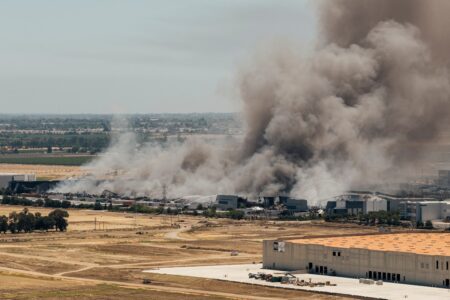
Unhealthy air quality in California city as huge warehouse fire burns for 3rd day
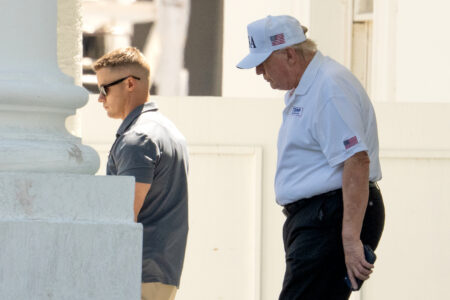
Judge orders Trump administration to restore National Park changes at sites that ‘disparaged’ US
Teens’ reading and math scores have stagnated, US test results show
WASHINGTON (AP) — Younger students have regained ground academically after the pandemic's disruptions while older ...
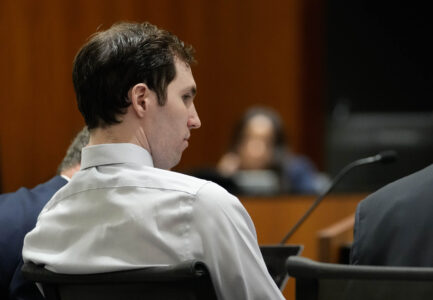
Lawyers for man accused of killing Charlie Kirk try to block death penalty
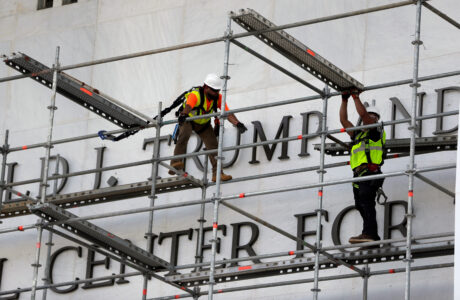
Trump’s name poised to come off Kennedy Center