Constitutional committee reaches compromise on name, oil issues
Baghdad, Iraq ? With the clock ticking on Monday’s deadline for the completion of Iraq’s new constitution, negotiators reported progress on several key issues Saturday, including the name of their country, but differences remained on the key issues of federalism and the role of religion.
In one breakthrough, a consensus was reached that the country would be called the Iraqi Republic, not the federal republic or the Arab republic or the Islamic republic, as the Kurds, Sunnis and Shiites had respectively been demanding.
“It’s a compromise. Each side has given up one word,” said Mahmoud Othman, a Kurdish member of the constitutional committee who also said there was no doubt that the Monday deadline would be met.
“The deadline is an American order. Nobody can object to it,” he said.
Kurds and Shiites are close to an agreement, he said, and the only question now is whether they will be able to win over the Sunnis, who remain opposed to the inclusion of any reference to federalism in the constitution.
Kurds and Shiites command enough votes in the National Assembly to pass any constitution on which they both agree, but the United States is putting heavy pressure on them to reach an agreement that includes Sunnis.
“We are trying also to have the support of the Arab Sunnis and we don’t know whether we will succeed in that,” Othman said. “Without them, there will be a defect in the constitution.”
The insurgency is dominated by Sunnis, and the United States is hoping that a constitution embraced by the Sunni minority would dilute support for the insurgency, lessen the violence and enable American troops to start withdrawing next year.
The National Assembly must vote on the document by Monday, and Iraqi President Jalal Talabani, who has been host to the closed-door negotiations, told reporters he expected it would be possible to submit a draft to the assembly for debate today.
The question of how to divide the nation’s oil revenues has been resolved, negotiators said. Revenues from existing oil resources would be divided evenly among all 18 of Iraq’s provinces, but the document leaves open the question of what will happen to the revenues of future oil discoveries, Othman said.
National
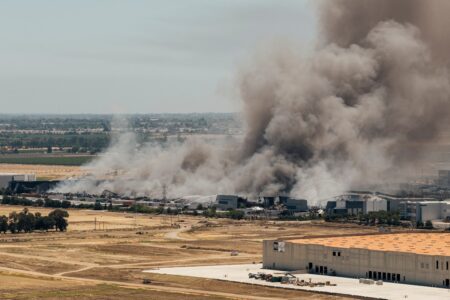
Unhealthy air quality in California city as huge warehouse fire burns for 3rd day

Judge orders Trump administration to restore National Park changes at sites that ‘disparaged’ US
Teens’ reading and math scores have stagnated, US test results show
WASHINGTON (AP) — Younger students have regained ground academically after the pandemic's disruptions while older ...

Lawyers for man accused of killing Charlie Kirk try to block death penalty
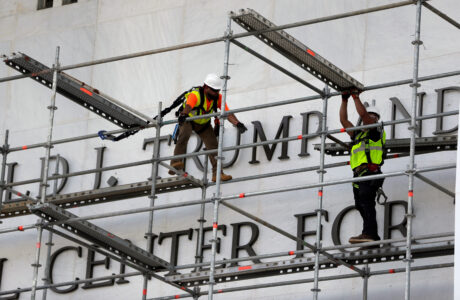
Trump’s name poised to come off Kennedy Center