Congress OKs $2.6 trillion budget
Washington ? Congress narrowly passed a $2.6 trillion budget Thursday that would cut spending on the Medicaid health care program for the first time since 1997 in a step toward trimming federal deficits.
The Senate voted 52-47 to approve the blueprint of tax and spending priorities just hours after the House passed it by a similarly close 214-211. The budget instructs lawmakers to freeze or shrink spending in many domestic programs outside defense and homeland security and restrain farm, student loan, pension and some other government programs that grow automatically from year to year.
House Majority Leader Tom DeLay, R-Texas, said it was time to look closely at benefit programs that were “popular but rife with waste.”
“These entitlement programs deserve reform,” he said. “The Medicaid system is antiquated and the quality of care is not being brought to the people that need it.”
The budget sketches out plans and priorities for spending $2.6 trillion in the fiscal year that begins Oct. 1, projecting a federal deficit of $383 billion. Lawmakers use the blueprint to pass specific tax and spending legislation later in the year.
After the House vote, President Bush praised the budget resolution. “This is a responsible budget that reins in spending to limits not seen in years,” he said in a written statement.
Republicans said the plan to shrink federal spending only nicked rapidly growing benefit programs, which would continue growing but at a slightly slower rate.
The budget would shave automatically increasing benefit programs by $35 billion over five years while also cutting taxes by as much as $106 billion over the same period.
Medicaid gets marked for a $10 billion reduction over four years. The changes in Medicaid wouldn’t begin until 2007, giving a special commission and the nation’s governors time to recommend cost-saving ideas.
The budget could also pave the way for opening Alaska’s Arctic National Wildlife Refuge to oil drilling. In past years, the drilling authorization has died in the Senate because of a filibuster threat. The resolution protects future bills from filibuster, giving lawmakers an opening to authorize drilling without that obstruction.
National
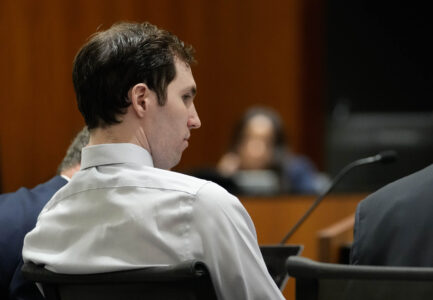
Lawyers for man accused of killing Charlie Kirk try to block death penalty

Trump’s name poised to come off Kennedy Center

Suspect in Texas shooting had fired at police days earlier, officials say

Man pleads guilty to killing a top Minnesota Democrat and her husband

New tornadoes outside Chicago as severe storms pummel the Midwest