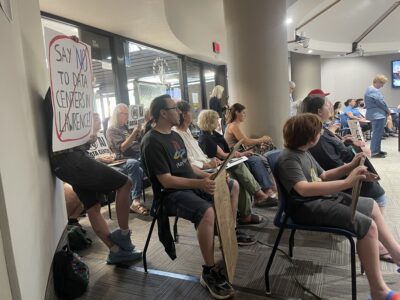
Planning commissioners question decision process
Rumbles and friction at the philosophically divided Lawrence-Douglas County Planning Commission have some officials saying it is time to change the way the board that guides area development operates.
“I’m not trying to step on anybody’s toes here, but there are some people on the Planning Commission who don’t know the front end of a bulldozer from the back end of a bulldozer, and they’re making development decisions,” said Planning Commissioner Tom Jennings in March. He is one of those who say it’s time to re-examine the board’s role, criteria for selecting its members and how the panel works with the City Commission.
Jennings is among a group of planning commissioners who have begun to publicly raise concerns ranging from whether the planning process has become too political to whether planning commissioners are adequately qualified to guide growth and development in the community.
The concerns have caught the attention of at least one city commissioner.
“I have heard anecdotally some of those concerns, and I have seen firsthand some of those issues,” said City Commissioner Sue Hack. “I think it is time we start taking it seriously.”
Hack said she has asked Planning Director Linda Finger to put together a report that shows how other communities structure their planning commissions. Hack said some of the concerns may stem from planning commissioners and staff simply being overworked. Many of the monthly Planning Commission meetings last past midnight.
“I think it may be time to have the conversation of whether we’re asking too much of our Planning Commission,” Hack said. “There may be ways to streamline that. That doesn’t mean we would give projects free passes, but it might mean we use our staff’s professional knowledge better.”
Planning Commissioner Grant Eichhorn said he decided to begin expressing his frustrations after the City Commission rejected a proposed residential development near the Lake Estates area in west Lawrence after the Planning Commission had unanimously recommended approval. Eichhorn said he believed city commissioners voted against the plan, on a 3-2 vote, largely for political reasons related to trying to please the area’s neighbors who opposed the development.
“What we’re doing now is just playing friends and moving the city around one way or the other to meet the whims of individuals as opposed to making good planning decisions,” Eichhorn said.
Planning Commissioner Ernie Angino said he agreed.
“There is a perception by a number of people in the community that the Planning Commission is becoming the handmaiden of the City Commission, and that is a concern,” Angino said.
But other officials say the complaints are unfounded.
City Commissioner David Schauner – who along with former mayor Mike Rundle and Mayor Boog Highberger voted against the Lake Estates request – said he firmly believed the planning process had become more balanced in the last several years.
“What I find almost laughable is that when I decided to run for the City Commission two years ago, I saw the rules of Horizon 2020 (the comprehensive planning guide and document) being consumed by the exceptions,” Schauner said. “That was all fueled by politics. I find all this ironic.”
Schauner said his vote against the Lake Estates project stemmed from a lack of long-range planning for the area and that he was concerned about the network of roads that would serve the area. City commissioners eventually approved the project, contingent upon developers finding a way to buy a property that would allow two area roads to be connected.
City Government

Soccer gear honoring Lawrence history’s all-star team is now on sale as part of city’s public art exhibition
To honor public servants, Lawrence’s July 4 celebration will have a whole gallery of their photos on display; submissions open now
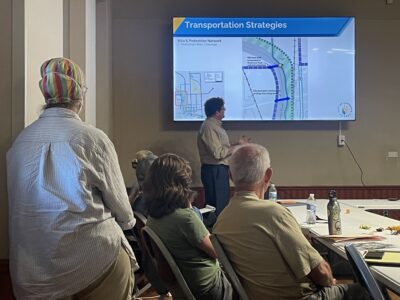
North Lawrence study consultants look at possibilities for a grocery store, food truck park, traffic calming and more

Algerian ambassador gives Lawrence a gift for supporting national team – a piece of art
Lawrence City Commission approves incentives for Alarm.com’s office project in downtown building