Higher fuel costs hit home
When the amber “fuel low” light came on in my pickup the other day, I pulled into my usual gas station and did something I haven’t done in years: ordered 10 gallons — a half-tank, not a fill-up.
I live in Pennsylvania, but only a couple of miles from New Jersey, where lower taxes let dealers charge 20 or 30 cents a gallon less. Hopefully, some errand will take me over there before my 10 gallons runs out.
I just don’t want to pay $2 a gallon, which is what the Pennsylvania stations in my area are charging.
Granted, I won’t save all that much in Jersey — not enough to justify a trip just for gas. And with inflation considered, gas is actually cheaper than when I was a child. But $2 is a psychological barrier. Two dollars is too much, period.
When I saw the price, all sorts of furious, semirational thoughts rushed through my mind: We take over a Middle Eastern oil producer and gas costs more? How can the government keep telling us inflation is low when I’m paying a fortune to fill my truck and heat my house?
You see, it’s all about me.
We take fuel prices personally. It’s one of the areas where economic data hits home.
Rising gas prices affect me right away; hiring in the manufacturing sector doesn’t. Even rising food prices aren’t as noticeable, as there are so many different items in a grocery cart and the shopping list changes so much week by week. Clothing costs? Well, I don’t buy clothes often enough to remember what I paid last time.
I suppose anyone with a hankering for a new, gas-guzzling SUV isn’t going to give up the dream over a blip in gas prices. After all, gas always seems to go up as summer approaches. And we can all hope it comes back down during the next few months, as it often does.
But what if it doesn’t?
After a few months, $2 gas will have a noticeable effect on many household budgets. Mine already has needed some adjustment because of the whopping heating oil costs of the past winter.
Persistently high gasoline and oil costs could have a disproportionate effect on Americans’ sense of economic well-being. Two-dollar gas is not good for President Bush.
The other day I heard a political analyst argue on the radio that voters’ view of the economy jells about six months before a presidential election, which is now.
Recent polls suggest that Americans have yet to be convinced the economy has turned the corner, and high fuel prices will only reinforce voters’ sense that the economy is troubled, weakening the president’s claim to have engineered a recovery.
Watch out, Mr. President.
As a baby boomer, I’m having a weird sense of reliving my youth. First, there’s this increasingly unpopular war. Now I’m starting to fear an energy crisis and to remember all the ways we tried to trim costs in the ’70s and early ’80s.
I’m not ready to carpool, but I already commute by train, which is cheaper than driving to work and much more pleasant.
When fuel prices went through the roof in the ’70s, my mother had a solar water-heater put on her roof. It was a cranky thing attached to a maze of pipes in the basement, and she never could figure whether it really saved her money.
Surely, these things must be better now, don’t you think?
In the ’70s, improving your insulation was big. I was up in my attic the other day and noticed the pitiful state of my insulation, which dates from the ’50s. Swallowing the cost of replacing it would be easier, now that the fuel-oil savings would be bigger.
And then there are the leaky old aluminum windows in our bedrooms. Now it might pay to replace them, which I’d like to do anyway.
My wife’s mid-90s station wagon is showing its age. I’ve argued we can get another 10 years out of it. But if it starts giving us real trouble … well, I’m kind of intrigued by these 50-mile-a-gallon gas-electric hybrids.
How cool would that be?
No, I’m not going to give up my pickup. I love it, and I really need that manly cargo-carrying capability.
But with gas at $2, I’ll try to combine errands and trim the needless trips.
Back in the ’70s, energy conservation was a virtue. Maybe $2 gas will make us think so again. I hope so.
City Government
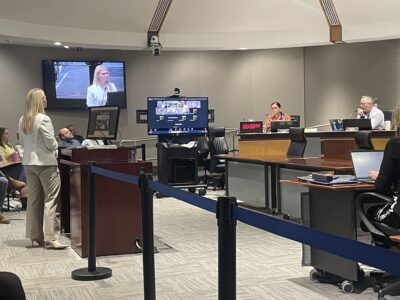
A STAR Bond application raises questions for city leaders about Costco and housing west of the SLT

Soccer gear honoring Lawrence history’s all-star team is now on sale as part of city’s public art exhibition
To honor public servants, Lawrence’s July 4 celebration will have a whole gallery of their photos on display; submissions open now
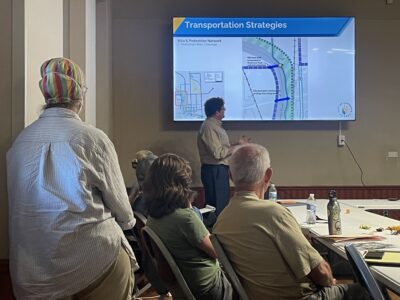
North Lawrence study consultants look at possibilities for a grocery store, food truck park, traffic calming and more
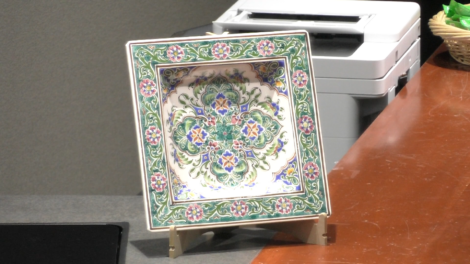
Algerian ambassador gives Lawrence a gift for supporting national team – a piece of art