

Army Reserves hit hard by resignation requests
Seattle ? The Army Reserve is facing an extreme shortage of company officers, a situation aggravated by a surge in resignation requests.
The shortage — primarily of captains — has seriously reduced the capabilities of the Reserve, and continued losses will further reduce the readiness of “an already depleted military force,” according to an Army briefing document submitted last month to Congress.
Army Reserve resignation requests have jumped from just 15 in 2001 to more than 370 during a 12-month period ending in September. To preserve its leadership ranks, the Reserve increasingly has rejected resignation requests, forcing some officers to stay on even after they have fulfilled their initial eight-year service requirement.
The resignation requests are another sign of a military under strain during the protracted war in Iraq, where more than 40 percent of the U.S. forces are drawn from the ranks of Reserve and National Guard.
These Reserve and Guard soldiers attend weekend drills and two-week annual training. When called to active duty, they may leave behind families and civilian jobs for prolonged oversea deployments, and some take a big hit in their family income while facing the prospect of injury or death.
To help maintain troop strength, the Pentagon now routinely invokes a “stop-loss” program that prevents thousands of enlisted soldiers and officers from leaving the military until their unit is through their combat tour.
Only after the unit returns to the United States can soldiers who have completed their volunteer contract then leave the service. This policy has been subject to several lawsuits, including a challenge filed earlier this week by eight soldiers.
The Army Reserve policy extends well beyond the combat-zone, stop-loss program. If an officer’s specialty is in short supply, the Reserve may opt to reject a resignation even if the soldier is not on active duty in Iraq or scheduled for any such deployment. So far this year, the Army has rejected more than 40 percent of the resignation requests of lieutenants and captains.
National

Suspect in Texas shooting had fired at police days earlier, officials say

Man pleads guilty to killing a top Minnesota Democrat and her husband
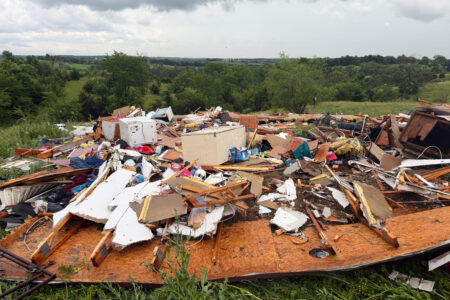
New tornadoes outside Chicago as severe storms pummel the Midwest

Feds won’t seek death penalty in plea deal with man accused of killing top Minnesota Democrat

NASA unveils astronauts to test tech for future moon landing
Social Security’ fund faces shortfall one year earlier than expected
WASHINGTON (AP) — Social Security 's retirement trust fund is projected to face a funding shortfall in 2032, a ...