How to help?
There doesn't seem to be a one-size-fits-all solution for the problems facing Lawrence's homeless residents.
How best to help the homeless people who have landed in Lawrence is a perplexing problem. It’s unfortunate, but understandable, that well-meaning people who want to offer a helping hand find themselves at odds about what approach to take.
Some advocates for the homeless simply want to make sure they are safe and cared for. That means providing food and a place to sleep, shower and do laundry. These are the basic services all homeless people need, the advocates say, and should be offered to anyone with no strings attached.
Others see a need to push homeless people to reform. They are willing to provide food and shelter, but they want something in return. They want people to abstain from drugs or alcohol, and they want them to take some responsibility for improving themselves. That means taking classes and meeting with counselors who can determine what they need to get back on their feet.
Many of those trying to help the homeless have strong views about which approach is better. The homeless need care, some say. Giving too much care only encourages people to remain homeless, say others. Some even say a rehabilitative model can’t be successful as long as some people are willing to offer food and shelter without requiring people to try to better their situation.
Maybe, however, there is a middle ground. City Commissioner Mike Rundle said a city task force looking at homeless issues was leaning toward what its members call a “compassionate rehabilitative” model. After looking at the many challenges of helping Lawrence’s homeless population, task force members probably have concluded that there is no one-size-fits-all solution.
Certainly, the community should make every effort to help people re-enter the work force and become self-supporting. For those who are able, such a solution benefits both the individual and the community. But not everyone is ready or able to benefit from such help. For them, counseling, drug treatment or other rehabilitation may be required to prepare them to consider options for the future. Some may face physical or mental problems so severe that the only solution is some kind of ongoing public support.
Being required to attend classes in exchange for receiving assistance may be just the motivation some homeless people need. For others, it may only drive them further into the shadows. Acts of compassion may spur some people into action while making it easier for others to shirk responsibility.
The homeless people of Lawrence are fortunate to have so many people concerned about their welfare and their future and willing, at considerable expense, to provide food and shelter. Much appreciation is due to the hundreds of volunteers who help the homeless and provide funds and supplies. Hitting on just the right approach to this problem may be difficult, but it’s obvious that local advocates are determined to find a way — or a number of different ways — to help those in need.
City Government

Soccer gear honoring Lawrence history’s all-star team is now on sale as part of city’s public art exhibition
To honor public servants, Lawrence’s July 4 celebration will have a whole gallery of their photos on display; submissions open now
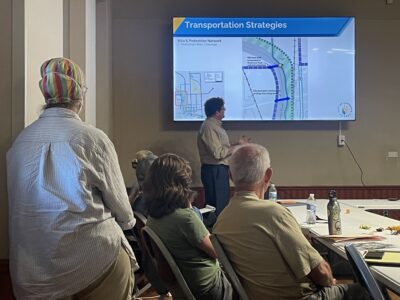
North Lawrence study consultants look at possibilities for a grocery store, food truck park, traffic calming and more

Algerian ambassador gives Lawrence a gift for supporting national team – a piece of art
Lawrence City Commission approves incentives for Alarm.com’s office project in downtown building