Iraq’s top missile scientist now thought to be in Iran
The Iraqi scientist who headed Saddam Hussein’s long-range missile program has fled to neighboring Iran, a country identified as a state sponsor of terrorism with a successful missile program and nuclear ambitions, U.S. officers involved in the weapons hunt told The Associated Press.
Modher Sadeq-Saba al-Tamimi’s departure comes as top weapons makers from Saddam’s deposed regime find themselves eight months out of work but with skills that could be lucrative to militaries or terrorist organizations in neighboring countries. U.S. officials have said some are already in Syria and Jordan.
Experts long feared the collapse of Saddam’s rule could lead to the kind of scientific brain-drain the United States tried to prevent as the former Soviet Union collapsed.
But the Bush administration had no plan for Iraqi scientists and instead officials suggested they could be tried for war crimes.
“There are a couple hundred Iraqis who are really good scientists, particularly in the missile area,” said Jonathan Tucker, a former U.N. inspector.
“In the chemical and biological areas, their work wasn’t state of the art but it was good enough to be of interest to other countries.”
Only now is the State Department exploring the possibility of a government-funded program to block a scientific exodus and prevent Iraqis from doing future research in weapons of mass destruction. Initial cost estimates for the program run about $16 million, according to a Nov. 3 draft proposal obtained by AP.
Two members of the Pentagon’s Defense Intelligence Agency involved in questioning scientists in custody told AP the Iraqis continued to deny the existence of illicit weapons programs in Iraq. Dozens of Iraqi scientists have been questioned and less than 30 remain in custody. All of them, including senior members of Saddam’s regime, have been subjected to lie-detector tests, which have come up clean on weapons questioning, the DIA officers said.
But U.S. scientists and weapons experts, who all spoke on condition of anonymity, said they were having trouble finding some Iraqi experts in Iraq and have no way of tracking ones they’ve met.
“They could leave Baghdad tomorrow and we’d never know,” said one senior official involved in the hunt. “Very few are obligated to tell us where they’re going or what they’re up to.”
National
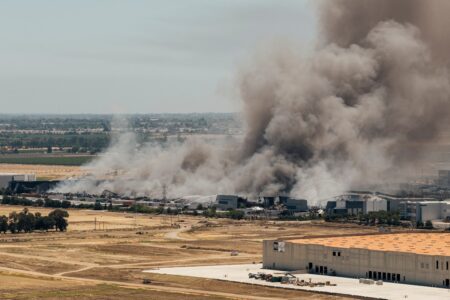
Unhealthy air quality in California city as huge warehouse fire burns for 3rd day
Judge orders Trump administration to restore National Park changes at sites that ‘disparaged’ US
Teens’ reading and math scores have stagnated, US test results show
WASHINGTON (AP) — Younger students have regained ground academically after the pandemic's disruptions while older ...
Lawyers for man accused of killing Charlie Kirk try to block death penalty

Trump’s name poised to come off Kennedy Center