White House view of Iraq not shared
London ? President Bush’s latest jab at Saddam Hussein didn’t get much public support from allies Thursday, and Russia challenged his view that the world would benefit if the Iraqi regime were toppled.
A day earlier, Bush said the United States was in no rush to go to war with Iraq, but he repeated his view that Saddam was a threat to world peace and should be removed from power.
The comments seemed aimed at calming speculation about a military confrontation, but the reaction Thursday underlined the deep-seated doubts and opposition that Washington faces in its stand against Iraq.
In Moscow, Russian Deputy Foreign Minister Vyacheslav Trubnikov called the idea of an attack on Iraq “unacceptable,” and he said his country did not agree Saddam should be ousted. On Monday, Russia confirmed it was talking with Iraq about a 10-year trade agreement.
Even Britain, Washington’s closest ally in confronting Iraq, held back. British Foreign Secretary Jack Straw reiterated Thursday that military action remained an option, but he said that the government’s policy was to pressure Saddam into allowing the resumption of U.N. weapons inspections in Iraq.
Many U.S. allies say they were not convinced the Iraqi leader posed an imminent danger.
German Chancellor Gerhard Schroeder has said he would not send troops to what he called an “adventure” in Iraq, and Canadian Defense Minister John McCallum said it was “very unlikely” Canada would participate unless Bush provided stronger evidence of an Iraqi threat.
Other European allies have been noncommittal, while Middle Eastern states that gave crucial help in the Persian Gulf War have said they oppose or have serious doubts about fighting Saddam now.
Some counseling against an attack warn it could undermine worldwide support for the American-led fight against international terrorism.
National
Lawyers for man accused of killing Charlie Kirk try to block death penalty

Trump’s name poised to come off Kennedy Center

Suspect in Texas shooting had fired at police days earlier, officials say
Man pleads guilty to killing a top Minnesota Democrat and her husband
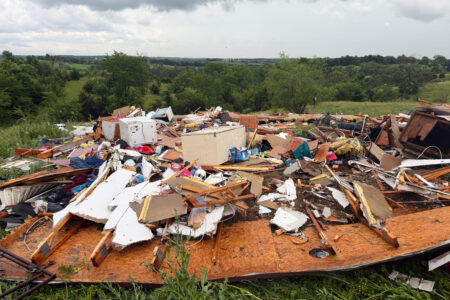
New tornadoes outside Chicago as severe storms pummel the Midwest