City sets record with $227 million of construction in 2015; apartment construction continues to lead the way in city growth
The new number to shoot for in the Lawrence construction industry is $227 million. No, contractors, the Lawhorn household has not decided to start construction on the much-discussed third wing of the shoe closet. Instead, $227 million is the record-breaking amount of new construction that took place in Lawrence in 2015.
We already had reported that Lawrence had set a new record for building activity in 2015, but we didn’t know the final number until the city closed the books on the year. Well, that’s now been done, and the latest report from City Hall shows the city issued building permits for $227.89 million worth of construction.
That’s more than double the $99.7 million worth of projects that were started in 2014. The 2015 totals broke the previous building permit record that was set in 2013 when permits for $171.9 million worth of construction were issued. Here’s a look at building totals since the 2008-2009 recession:
• 2015: $227.8 million
• 2014: $99.7 million
• 2013: $171.9 million
• 2012: $100.6 million
• 2011: $115.7 million
• 2010: $101.8 million
• 2009: $75.3 million
The actual amount of construction occurring in the city in 2015 was quite a bit higher than what was recorded by the city. The bulk of the public school construction projects were exempted from the city’s building permit process, so they don’t show up in these totals. As has long been the case, construction projects on the KU campus also don’t show up in the totals.
The city had a mix of projects that led to the record total. In all, there were 19 projects valued at $1 million or more. Here’s a look:
• $45 million: Here @ Kansas apartment and retail building near KU’s campus
• $18.75 million: Apartment/office building at Ninth and New Hampshire
• $13.3 million: Wakarusa River sewage treatment plant
• $12.5 million: Americare assisted living complex at Peterson and Monterey Way
• $12 million: Pioneer Ridge independent living near Wakarusa and Harvard
• $7.5 million: Pump station near 31st and Louisiana for Wakarusa sewage treatment plant
• $6.2 million: Hutton Farms West residential development near Kasold and Peterson
• $3.8 million: Fourth-floor renovation of Lawrence Memorial Hospital
• $3.5 million: Deerfield Elementary School renovation and addition
• $2.7 million: single-family home at 116 N. Wilderness Way
• $2.6 million: Phi Delta Theta renovation
• $2.3 million: Schwegler Elementary School renovation and addition
• $2 million: Phi Gamma Delta addition
• $1.9 million: Kansas River sewage treatment plant addition
• $1.5 million: renovation work for Iowa EPS Foam industrial building near 31st and Haskell
• $1.5 million: Raising Cane’s restaurant near 25th and Iowa streets
• $1.4 million: renovation of the former Holiday Inn, which is becoming a Double Tree hotel.
• $1 million: Dwayne Peaslee Technical Training center renovation near 31st and Haskell
• $1 million: single-family home at 3642 Brush Court
The list is kind of interesting in that it provides a snapshot of what is driving the construction industry. It shows that Lawrence, at the moment, is heavy on residential projects and light on industrial, retail or office projects. A quick total of those 19 big-dollar projects shows about $103 million were projects related to residential projects — everything from fraternity houses to retirement communities.
The numbers also show that a dramatic change in how Lawrence lives continues unabated. Once again, Lawrence builders constructed more apartments than than they did single-family homes or duplexes. In 2015, it wasn’t even a close contest. The city issued permits for 467 new apartment units, while issuing permits for 239 single-family or duplex homes.
The last time the city built more single-family/duplexes than it did apartments was in 2006. Since that year, the city has seen apartment construction outpace single-family home construction by nearly a 2 to 1 pace. Since 2006, the city has added 2,703 apartment units and 1,377 single-family/duplex units.
Lawrence is not alone in experiencing this trend. A move toward apartment living is being seen in many communities. It is not clear when the trend may reverse. For what it is worth, 2015 was the best year for single-family home construction in a number of years in Lawrence. The 239 single-family and duplex permits were the most issued by the city since 2006.
As I’ve noted before, the apartment boom that is occurring today likely will have long-lasting implications for the community. Most prominently, what is going to happen to all the old apartment complexes that clearly are losing tenants to the new apartment complexes? How will those old apartment complexes redevelop?
I ask that question because population numbers raise questions about whether Lawrence is building apartments and single-family homes at a rate faster than the city’s population is growing. From 2006 to 2014, Lawrence’s population increased by only about 0.5 percent per year. According to the Census Bureau’s annual estimates, Lawrence added a total of 4,158 people from 2006 to 2014.
During that same time period, the city added 4,080 new single-family, duplex and multifamily living units. The city added almost one unit for every new man, woman and child who moved to the city. (Yes, some living units got demolished in that time period, but I’m not sure the number is enough to be very significant to the totals. It also is worth noting that the Census and the city sometimes disagree on how many people live here.) The average household size in Lawrence, according to Census data, is 2.28 people per household. Those numbers would suggest that Lawrence needed to add fewer than 1,900 housing units since 2006 to keep up with population demand, rather than the approximately 4,000 living units that were built.
You might be asking yourself why apartment builders would construct new units at a rate higher than population growth. The simple answer is that new apartment complexes don’t need new population growth to be successful. They just need residents who are willing to move from an old apartment unit into a new one.
Whether the city is building the “right amount” of apartment units is beyond me. What I find interesting about it, though, is how differently City Hall treats apartment construction than it does retail construction.
Market forces are in play in both instances. As we recently saw with the denial of a proposed shopping center at the SLT and Iowa Street interchange, the city spends much time worrying about whether the Lawrence market can absorb new retail space. Has the city spent much time worrying about whether the Lawrence market can absorb new apartments?
One of the primary reasons government cares about not allowing a market to become overbuilt is because it can create blight in existing areas of town: A new shopping center takes business away from an existing shopping center, and the existing shopping center becomes rundown. Is that an issue the city should be worried about with new versus old apartment complexes? Drive around town and note what you see more of: blighted shopping centers or blighted apartments.
It appears the city is allowing the market to have a much greater say in apartment development in Lawrence than it is allowing the market to have in retail development. I really don’t know what the right approach is for either retail or apartment development. But it is interesting how the two are treated differently.
It creates a couple of questions: What will happen to all these old apartment complexes in Lawrence? And, will this new City Commission start clamping down on new apartment construction?
Town Talk column

As housing starts slump in Lawrence, Douglas County loses population in 2025; only urban county in Kansas to post a loss
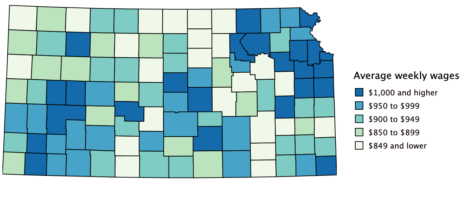
A look at which Kansas counties have the highest wages and the best match between earnings and home values
Former pool hall space to become a ‘pubcade’ with video games, pinball, Skee-Ball, plus full service bar
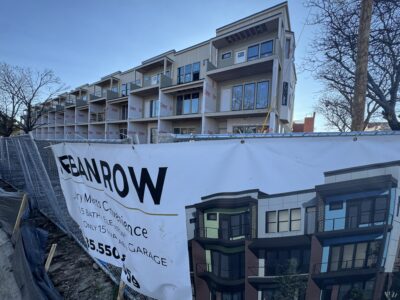
Lawrence developer has trio of projects underway, ranging from $600K row houses in downtown to new neighborhoods on city’s edge