A 6-year diploma? A look at KU graduation rates
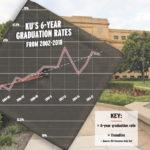
photo by: Strong Hall: Chris Conde/Journal-World Photo; graduation cap: Shutterstock image; Mackenzie Clark/Journal-World Graphic
Six-year graduation rates at the University of Kansas, from 2002 through 2018. Source: KU Common Data Set
When this year’s freshman class arrived on the University of Kansas campus, each student was given a T-shirt proclaiming them the class of 2022.
Chances are, most of them only will end up with a T-shirt with that date. The diploma will come later.
A review of the most recent graduation data for KU shows that only 42 percent of students graduated within four years. When you extend the horizon out to six years, the graduation rate grows to 63 percent.
Those two extra years can be expensive, though. Based on current in-state tuition and room and board rates at KU, each additional year of study costs just less than $21,500. The stakes are even higher for out-of-state students, with each additional year adding about $38,000, according to KU figures.
Four years is all Sarah Cluff, 21, a senior from St. Louis, will allow herself, she said while attending “Tea at Three” on Thursday in the Kansas Union.
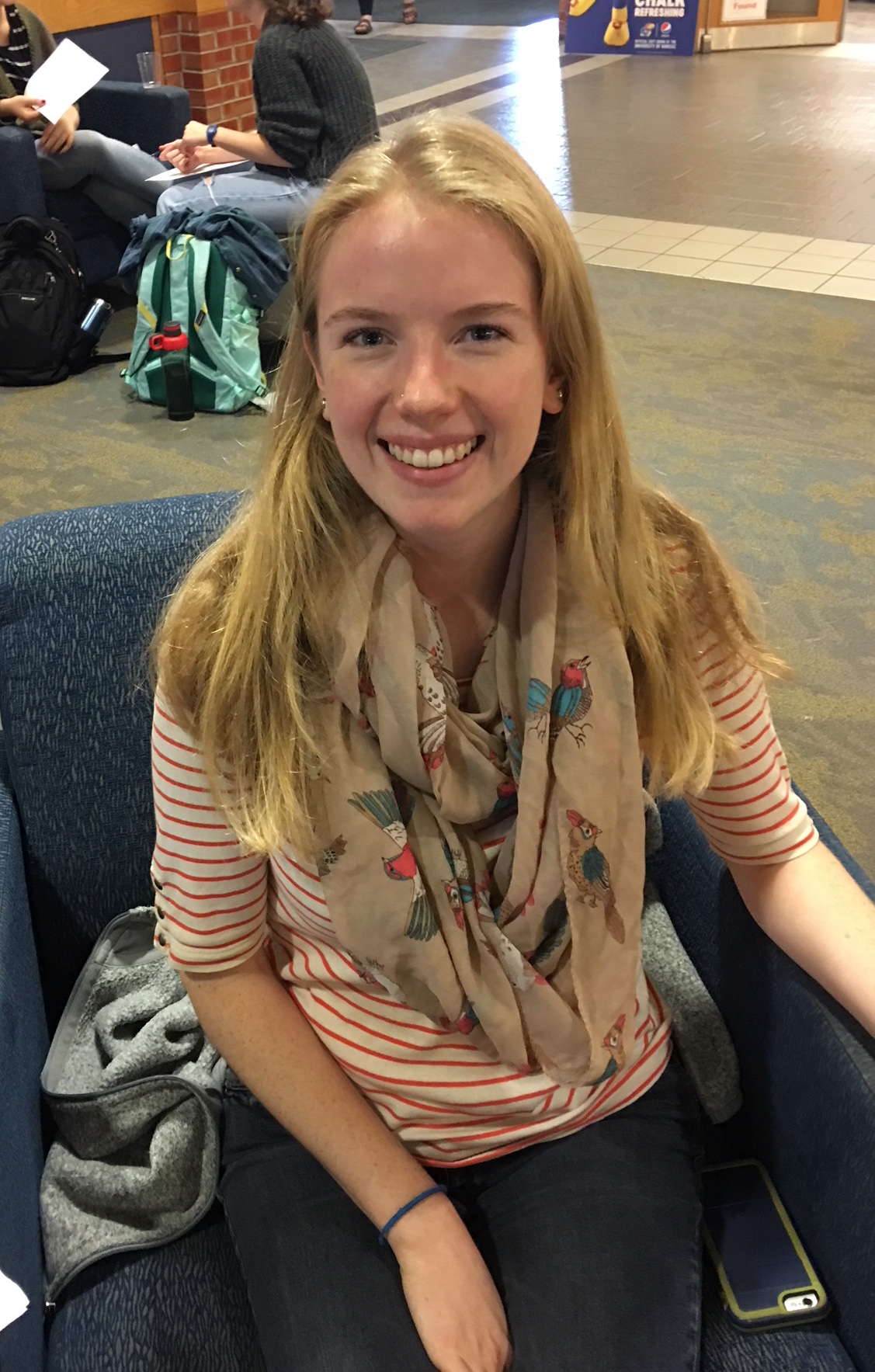
photo by: Kathy Hanks
Sarah Cluff, 21, is a KU senior with a double major. She is shown at the Kansas Union on Thursday, Sept. 27, 2018.
“I have a four-year, out-of-state scholarship, which will expire. I can’t afford not to graduate,” said Cluff, who is earning a dual degree in biosciences and German studies, and who studied abroad at the University of Bonn.
KU officials want to see the number of students graduating in four years increase, but they also understand why it doesn’t always work out that way.
“Life happens. Circumstances change,” said DeAngela Burns-Wallace, vice provost for undergraduate studies. “Sometimes things don’t line up. Students may study overseas, or they may change a major or decide on a double major. There are many nuances that affect the numbers.”

DeAngela Burns-Wallace
For example, students may be almost ready to graduate after four years but need one more class, which they take that summer. They get their diplomas, but they are counted as graduating in five years. Or students in engineering may need 4 1/2 years, but that doesn’t mean it has taken them an entire fifth year to finish, Burns-Wallace said.
Whatever the reason, though, KU’s graduation rate lags behind several other Big 12 schools. KU ranks only in the middle of the pack of Big 12 universities based on a review done by the Journal-World using graduation rate data provided by each school. KU was a full 20 percent below the leader and 10 percent below several other schools.
Here’s a look at the six-year graduation rates for each Big 12 school:
• Texas Christian University: 83 percent
• University of Texas: 82.9 percent
• Baylor University: 77 percent
• Iowa State University: 73.4 percent
• Oklahoma University: 67.3 percent
• University of Kansas: 63 percent
• Kansas State University: 62.8 percent
• Oklahoma State University: 62.8 percent
• Texas Tech University: 59.2 percent
• West Virginia University: 57.3 percent
Another way to look at the numbers is that even after six years at KU, 37 percent still have not graduated. KU leaders want to see improvement in graduation rates. There have been some improvements, but past years’ data shows the rate mainly has been around that 63 percent mark. Five years ago the graduation rate hit a recent high of 64 percent. Its recent low was the 2015-2016 school year of 61.3 percent, according to university figures.
Burns-Wallace is well aware of KU’s position in the Big 12 graduation numbers.
“We are getting there,” she said. “One of the targets of former Chancellor Bernadette Gray-Little was getting us to a 70 percent graduation rate. We are not there, but we are still trending upward.”
Moving upward comes in helping students connect to their majors and careers, or the next step, such as graduate school.
“We find helping students toward graduation is helping them see this pathway,” she said. “We are doing a lot of work around majors and careers and seeing the connectivity. It’s advising, exploring and finding the paths. We are not at 70 (percent) yet, but we are going in the right direction.”
The university wants students to work toward receiving an undergraduate degree in four years, especially because it can help keep student debt totals down, Burns-Wallace said.
“We are being intentional ensuring all our students are getting access to all resources,” she said. “That includes providing access to mentors, and peer advisers, making connections on campus. It’s about being proactive. How can we help then find and match resources?”
For Burns-Wallace, it’s about really understanding the undergraduate experience, and how faculty and staff can help students and keep them progressing. If they are having trouble, there are tutoring resources, including small group tutoring.
“We have wonderful people and amazing students, and we need to make sure they are connected and leveraged in the right way,” Burns-Wallace said.
But still, a significant number of students take six years to graduate, she said.
The thought of taking six years to graduate horrified KU freshman Kristen Sawyer, 18, of Overland Park, who was in the Kansas Union on Thursday afternoon. She is studying to be a civil engineer and plans to achieve her degree in four years.
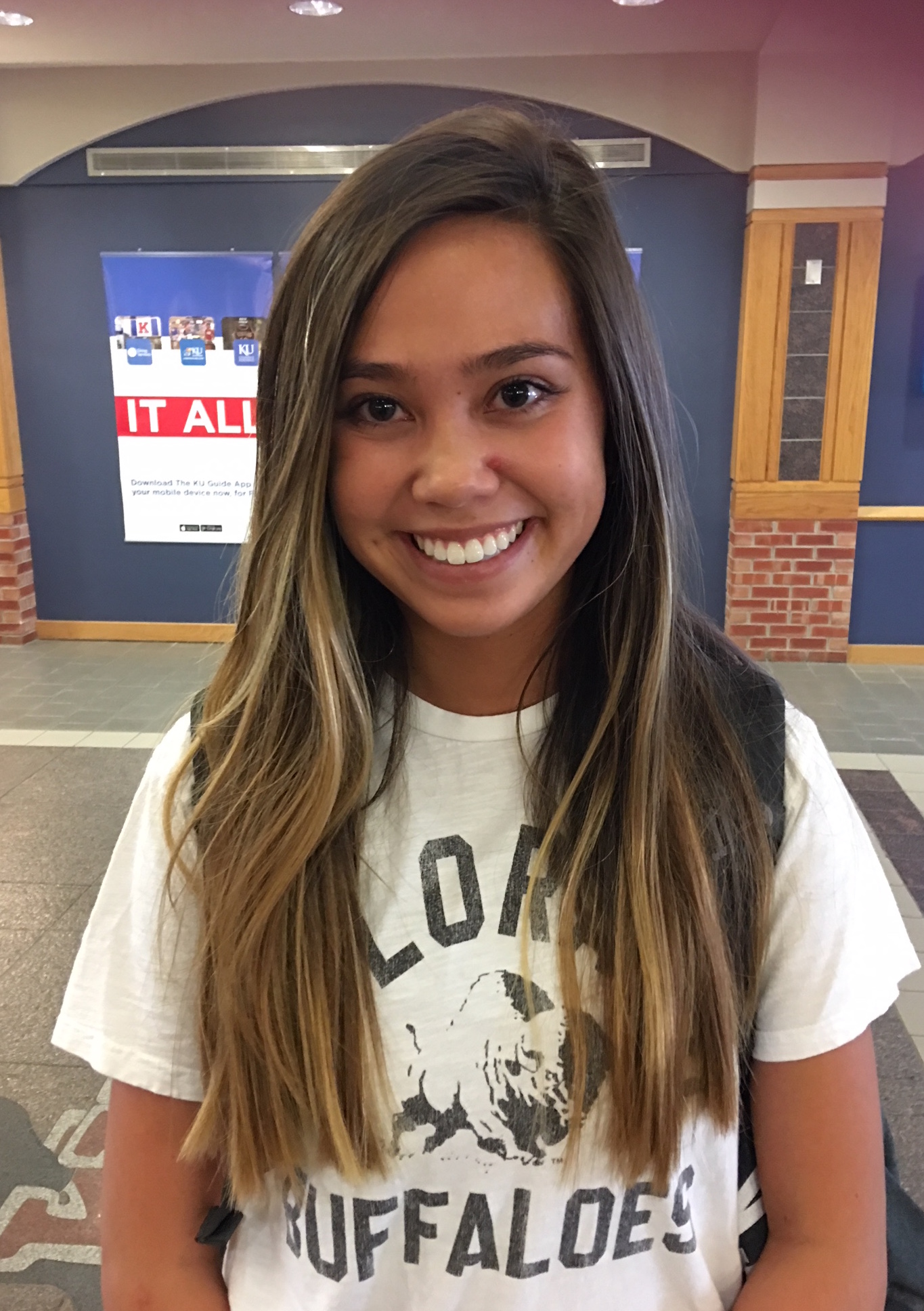
Kristen Sawyer, 18, a freshman, was at the Kansas Union on Sept. 27, 2018.
“I am determined,” Sawyer said. “I will take summer classes to do this.”
Meanwhile, Frank Kim, 23, of Junction City, is currently a graduate student. As he sipped tea in the Kansas Union, he said he had earned a BA in linguistics, speech and language with a minor in German, all in four years.
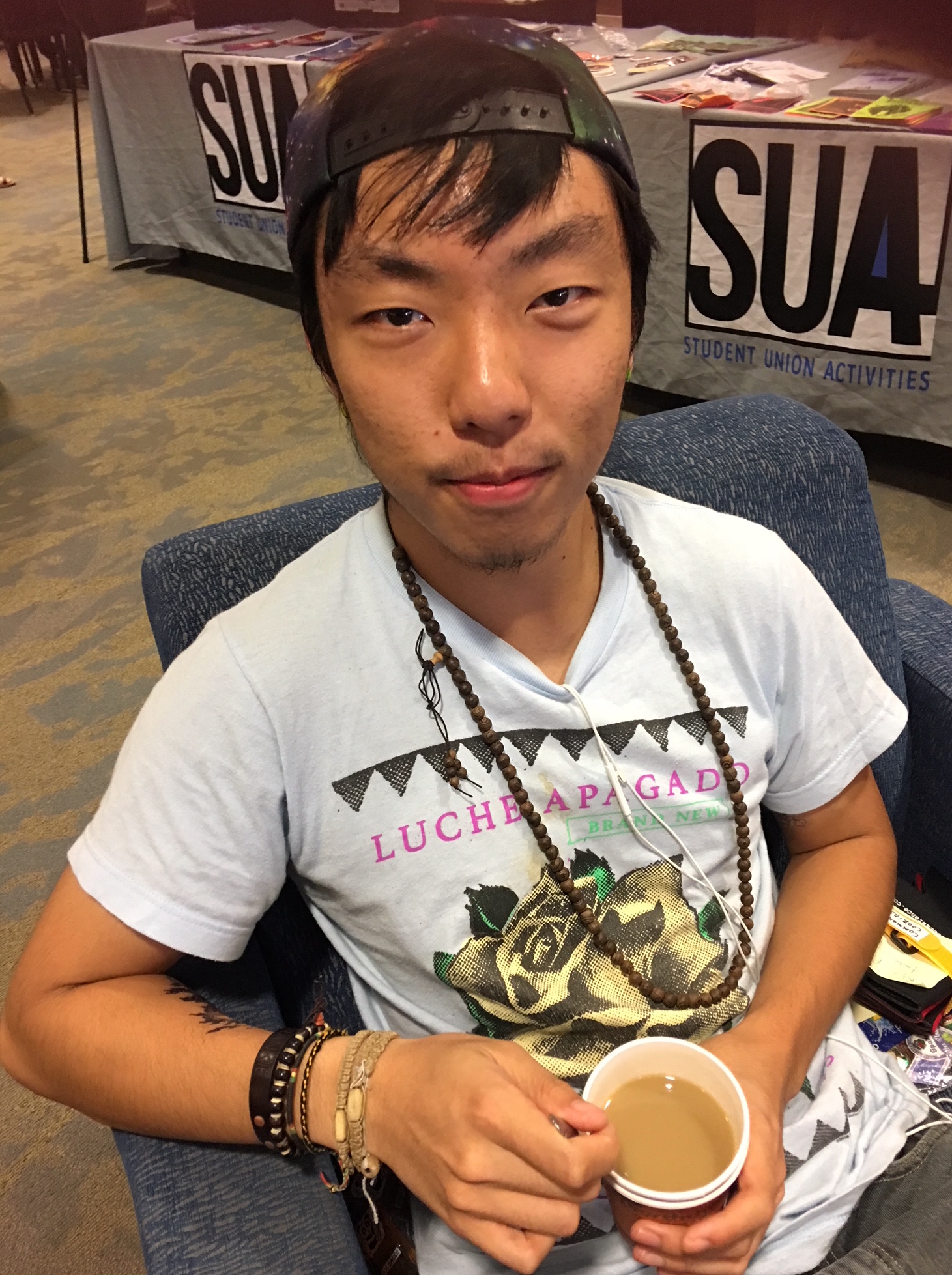
Frank Kim, 23, a graduate student at KU, was having “Tea at Three” at the Kansas Union on Thursday, Sept. 27, 2018.
Burns-Wallace said she hopes to see more four- and five-year graduates as students work closely with advisers. She said it’s important that students pay attention so they can be on time to complete a degree in four years.
“How are you handling winter intersession or summers? Can you add one or two classes to be on time?” Burns-Wallace said.
However, if it does take longer, it’s often not that students are behind, but that they are taking advantage of other opportunities.
Students change majors. Sometimes they have a hiccup because they have to take a few other courses. But when they take time to explore their passion and decide on a career, there is more satisfaction, Burns-Wallace said.
Senior Ricky Hernandez, 21, of Merriam, said it has taken him five years, but he plans to graduate this spring.
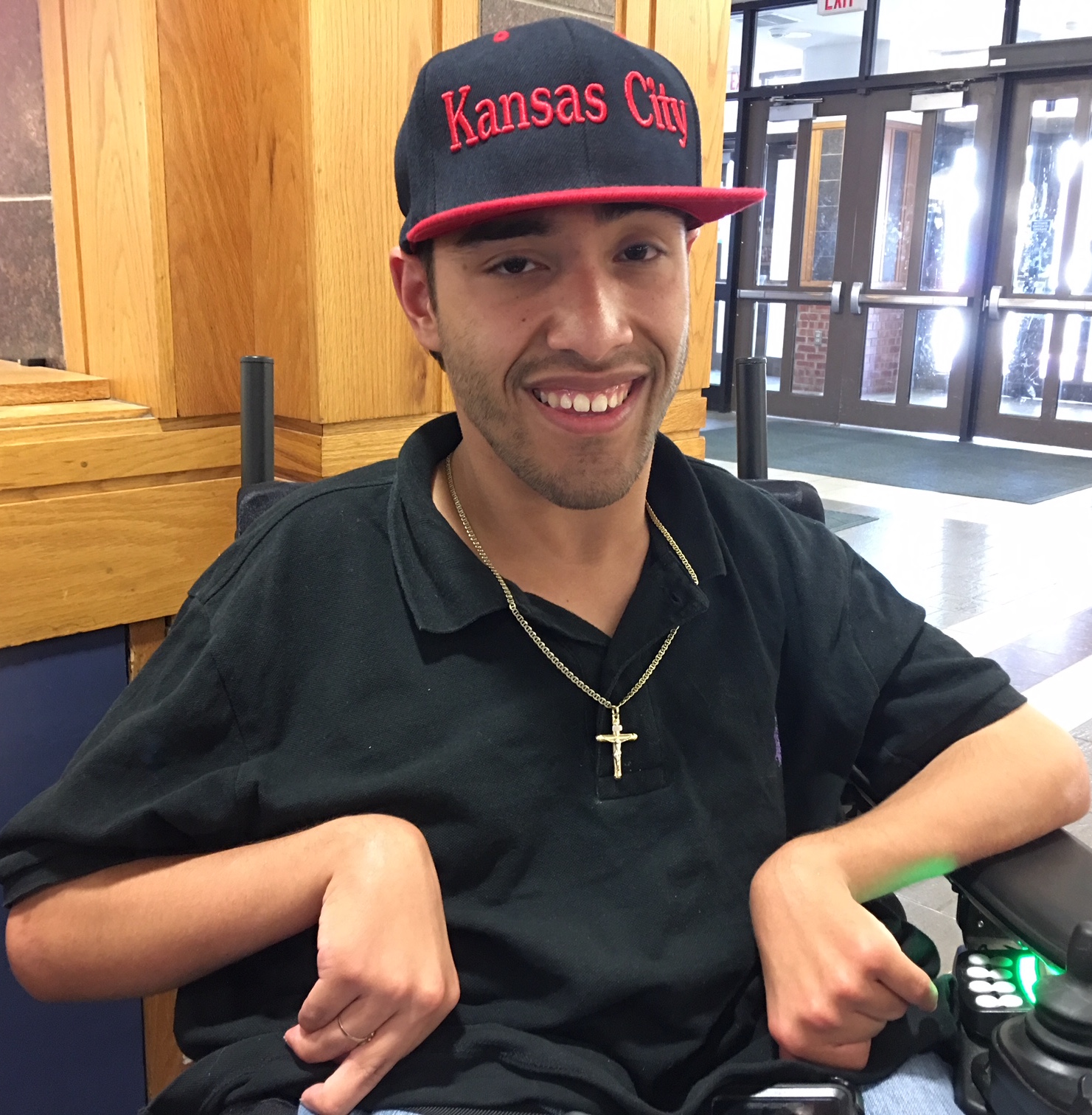
Ricky Hernandez is a fifth-year senior who was in the Kansas Union on Thursday, Sept. 27, 2018.
“Most of the friends who started with me aren’t here,” he said. “I am pretty determined. I’m still here.”
KU
Lawmakers begin to work bill that would place new limits on DEI at Kansas universities; KU estimates $1.8M cost to comply with bill
‘Forfeited the right to look the other way’; lessons from a class teaching the next generation of police officers
Leader of Kansas’ law enforcement training center trusts juries to deliver justice in Minnesota shootings

KU’s Gorton Music and Dance library to celebrate 25 years on campus with parties and concerts

KU will host a two-year series of seminars on democracy, academic freedom