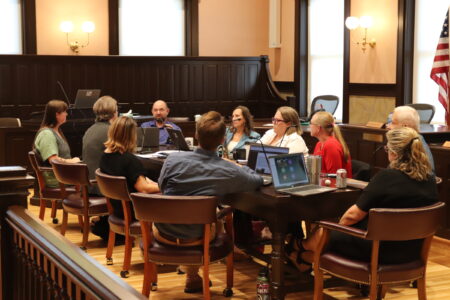
As part of budget process, county questions some funding levels for nonprofits; economic development funding scrutinized
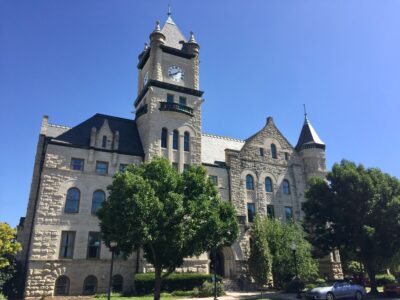
photo by: Journal-World
The west side of the Douglas County Courthouse, 1100 Massachusetts St.
Douglas County commissioners long have had significant amounts of money for local nonprofits and community organizations. Now, though, commissioners have a lot of questions for those groups too.
Commissioners at their Monday meeting expressed interest in creating a new philosophy for how they fund about 40 social service, economic development, health care and other nonprofits that routinely receive county funding to support their budgets.
Concerns came from multiple directions, with some commissioners worrying that local nonprofits had just come to expect funding from the county rather than relying on the government as a supplemental source of income.
Other commissioners simply said they were concerned the county wasn’t getting a good bang for its buck. No organization came under more fire on that front than the Lawrence chamber of commerce and its associated economic development organization.
“We do a substantial investment with The Chamber every year, and I have not seen a lot of return on that investment,” County Commission Chair Patrick Kelly said during Monday’s budget deliberations.
Commissioners stopped short of making any major reductions to funding levels for various nonprofits, as Monday was just the first day of what is expected to be three to four days of deliberations to craft the county’s 2024 budget.
But commissioners did start to craft ideas for sending a new message to nonprofits throughout the county. Kelly said he wanted to explore the idea of issuing grants to nonprofit agencies rather than giving the organizations money that they would expect to receive year after year.
He also said he wanted nonprofits that have significant reserve accounts or fund balances to use some of that money before asking the county for funding. He said some nonprofits have reserve funds equal to nearly a year’s worth of operating expenses.
Kelly also said he thinks nonprofits — or community partners, as they are called in the county’s budget process — need a diversity of funding sources, rather than heavily relying on the county.
“When we are funding 75 to 70% of an organization’s budget, I’m not sure that is a partnership,” Kelly said.
County Administrator Sarah Plinsky said the changes commissioners were contemplating would be significant in the local nonprofit world. She said many of the community partners do enter each year believing they are going to get at least the same amount of county funding they received in a prior year. The idea of a local nonprofit “easing its way out of county funding” would be a “new paradigm,” she said.
“Many of them don’t look at it that way,” Plinsky said. “They look at it as funding equals love. That is the only way I can think to say it.”
More and more entities are looking for a little love from the county these days. County Commissioner Shannon Reid, who is in her third year of her first term, said the funding requests “continue to multiply substantially.”
She said those requests have made it difficult for the county to bring down its property tax rate. From 2002 to 2021, the county’s property tax mill levy increased by 70%, while the average increase for a Kansas county during that time period was 30%, according to state statistics previously reported by the Journal-World.
“For me, a big value in all of these decisions is to do what we can to bring the mill levy down,” Reid said.
Plinsky has proposed a 2024 budget that keeps the county’s property tax mill levy steady from a year ago, but commissioners in the coming days will make specific funding decisions that could either reduce or raise that mill levy.
Commissioner Karen Willey, who is going through her first budget process on the commission, said she also wants to “turn money back to the taxpayers.” She expressed support for exploring a new philosophy on funding nonprofits and other community partners, including using more of a grant-based model instead of annual funding.
Like all the commissioners, Willey praised the work that the various nonprofits and organizations do in the community. But she said there are times that the county’s appropriate funding role might be for a limited time rather than the long term.
Economic development debate
Funding for The Chamber and its associated Economic Development Corporation of Lawrence & Douglas County received considerable conversation Monday.
Kelly said he had looked at six years of economic development metrics provided by The Chamber, and the results don’t “look like a ton to me,” he said. Reid said she also had concerns.
“I’m having a hard time identifying tangibly what their return on investment is,” Reid said.
Reid said she wanted to have conversations about diversifying how the county distributes economic development funding in the future. Reid and other community members have been involved with the national nonprofit Forward Cities that is looking for new ways for communities to “grow and sustain more equitable entrepreneurial ecosystems.” She said new economic development initiatives may be coming forward from that effort.
Both Kelly and Reid also expressed concern about funding portions of KU’s Innovation Park project, which provides incubator space on KU’s West Campus for private companies that want to be close to KU researchers. Kelly said he was concerned the development on West Campus was not doing enough to add to the county’s tax base, since much of the development is tax exempt due to being built on university land.
Reid said she thought the KU Innovation Park organization had enough funding on its own that it could do with less funding from the county.
Commissioners balked at a $50,000 request for operating funds from KU Innovation Park.
However, the organization also is requesting $225,000 over three years to support a phase-four expansion of the incubator facility. Both Kelly and Willey indicated they were supportive of that request because local dollars for the expansion project likely will be critical in KU receiving millions of dollars in federal grants for the project in future years.
Commissioners are scheduled to resume their budget deliberations at 9 a.m. Tuesday at the County Courthouse. They expect to complete this round of budget deliberations by the end of this week. They expect to give final approval to the budget after a public hearing on Aug. 30.
County Government

General Election Voter’s Guide

An incumbent Douglas County commissioner faces no opponent in general election
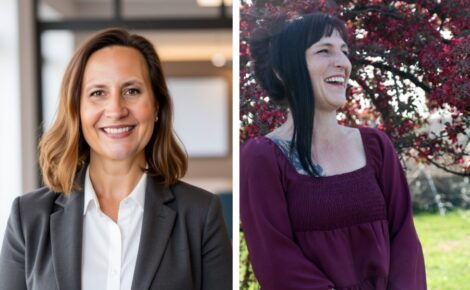
Incumbent Douglas County commissioner and newcomer challenger face off for District 5 seat
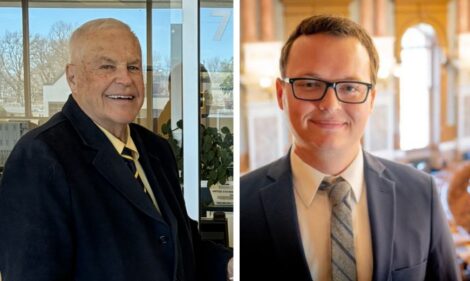
Primary winner faces incumbent’s write-in campaign in Douglas County Commission District 4
Douglas County commissioners to discuss proposed changes to funding agreements with community partners