City to consider reducing number of lanes on portion of Kasold Drive; new info on pending appointment of commissioner; report estimates Rock Chalk tourneys add $4.4 million to economy
I know there have been times when I’ve been a passenger in my family’s Ford Taurus — like when we go around the curve at 31st and Kasold — that I’ve thought about becoming a full-time pedestrian. But then the G-forces subside, and I again become a bit uncertain about the notion that Lawrence residents are going to be less reliant on cars in the future. But maybe they will. City commissioners on Tuesday will be trying to figure that out.
Commissioners are receiving a recommendation from engineers to reduce the number of lanes on a portion of Kasold Drive when it is rebuilt next year. City engineers are recommending that the section of Kasold Drive between Eighth Street and 14th Street be reduced to one lane of traffic in each direction, down from the current configuration of two lanes of traffic in each direction. The road would include a center turn lane. Engineers also are recommending a single-lane roundabout at Harvard Road and Kasold, which further will reduce the capacity of the road.
It has not been the norm for growing cities to reduce the size of their major streets, but engineers say the numbers back them up on this one. There just aren’t going to be that many more people driving on this section of Kasold Drive over the next 20 years, engineers say. The current peak hour traffic volumes for this section of Kasold are 651 vehicles per hour. By 2040, that peak hour demand is only expected to grow to 736 vehicles per hour. Engineer say a single-lane road can carry up to 1,900 vehicles per hour, although that number drops to closer to 1,250 per hour if the road includes a single-lane roundabout.
Either way, engineers say those numbers point to a single-lane road being able to handle the projected traffic volumes for the next 20 years. Engineers also are estimating that reducing the number of lanes on the road will make it more feasible to build bike lanes and pedestrian features. The concept plan for this stretch of Kasold calls for bike lanes and sidewalks on both sides of the street. Pedestrian advocates also will like that having fewer lanes means it should be easier for pedestrians to cross the street.
Engineers are estimating reducing the number of lanes on the street will result in savings of about $1 million in construction costs. That’s certainly a number that city commissioners will like. But the number that probably deserves the most scrutiny is whether traffic volumes on this section of Kasold will actually grow by less than 1 percent per year. If traffic volumes grow at a more significant rate during the next two decades, commissioners may regret the decision to reduce the size of the road.
I’m no traffic engineer (I’m pretty sure my efforts to reinforce the handle I hold onto while in the passenger’s seat don’t count,) but engineers are expressing confidence in the projections. They note that traffic volumes on that stretch of Kasold from 1995 to 2013 have grown by about 0.4 percent per year. They’re using a projection of 0.5 percent growth per year for the next 20 years.
In case you are wondering, the section of road has about 14,000 to 15,000 vehicles per day on it, according to Kansas Department of Transportation figures. But it is worth noting that the numbers have been a little unpredictable over the years. In 1998, for example, traffic volumes were near 18,000 on portions of the road. In 2004, they were near 17,000. If the road starts seeing those type of volumes again, that could change the long-term outlook for the corridor.
The city has had a meeting with neighbors and businesses in the area. The reaction to reducing the road to one lane in each direction has been mixed. Some have liked the idea of making the road more pedestrian friendly and the slower speeds that would come with the one-lane road. Others, though, have said it will make it difficult for people who have driveways along the road, and they note that currently traffic flows on that road very well.
Commissioners will sort it out at Tuesday’s meeting, which begins at 5:45 p.m. at City Hall.
In other news and notes from around town:
• Commissioners of course will be meeting before then. There is a special meeting at 2 p.m. today to formally accept the resignation of Jeremy Farmer, the former executive director of Just Food who resigned that job after conceding he had failed to pay about $50,000 in federal withholding taxes for the food bank.
Commissioners also will get an update on some credit card charges that Farmer incurred on his city-issued credit card. We reported on that yesterday, and we’re still sorting through those documents, and we’re also attempting to get more information from Just Foods leaders about the extent of the financial issues that the important nonprofit is facing.
But commissioners today will primarily be figuring out how to fill Farmer’s spot on the five-member commission. City Hall officials this morning posted this presentation spelling out some the guidelines and regulations related to filling a vacant position.
Probably the key takeaway from the presentation is that city code does not address the method for selecting a commissioner. Instead, the code provides discretion to the remaining members to come up with a selection process. The presentation provides only one example of how Lawrence has replaced a commissioner in the past. In January of 1970, Dr. Robert Hughes resigned from the commission. The remaining commissioners nominated and selected a former commissioner and mayor to replace Hughes on the commission. That all happened on the same day that the commission received Hughes’ resignation. The new member was sworn in at the next regularly scheduled meeting, which was three days later.
I don’t expect this to go that fast, but I think figuring out how quickly the commission can proceed will be a topic of discussion today.
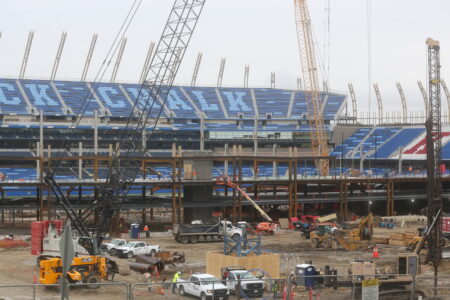
• This item probably deserves more attention than I’m able to give it at the moment, but the city has a new report out that estimates the economic impact of tournaments held thus far at the recreation center at Rock Chalk Park.
The city estimates the 29 tournaments that have been held at Sports Pavilion Lawrence since late December have pumped $4.4 million into the local economy. The numbers are based on interviews the city has conducted with tournament organizers to determine the number of people who attend the tournaments and also the number of attendees who are staying overnight in the city.
The hotel spending has been significant, ranging all the way from about $3,500 to a high of $121,000 for a 98-team volleyball tournament in March. The city then uses a multiplier figure to estimate how much attendees are spending on other expenses while in Lawrence. Those figures have ranged from about $45,000 to a high of about $500,000 for an 80-team basketball tournament in late July.
I’ve certainly heard from some restaurants and others business owners that they notice when large tournaments are at Rock Chalk Park. City budget makers also should notice too. If the center has pumped an additional $4.4 million into the local economy, the city and county should collect about an additional $110,000 in sales tax revenues, with several hundred thousand more going to the state.
Town Talk column
Should Lawrence ban data centers? There are some big numbers to consider

Latest sales tax numbers show Lawrence retailers need a World Cup boost

Is it time to start directly electing Lawrence’s mayor? Chamber may ask city to put question on November ballot