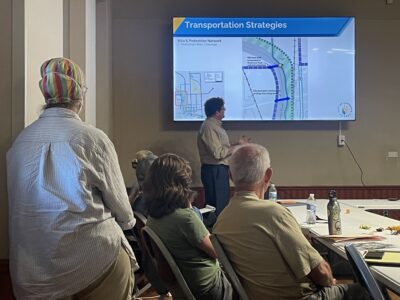
School board approves 4-year capital improvements plan
The Lawrence school board approved a rolling four-year spending plan on facility repairs and purchases on furniture and equipment.
The Lawrence school district will spend about $12.5 million out of its capital improvements plan on such expenses in 2015, and a total of $45.5 million through 2018. A capital improvements plan is adopted every year.
Those projects, and the money spent on them, are separate from the ongoing projects stemming from the $92.5 million bond issue. Capital improvements plan projects involve more small-scale, annual maintenance costs, while bond-funded projects are more ambitious, involving renovations and additions to school buildings.
A total of $1.4 million will go toward Lawrence High School in 2015 for its intercom system, parking lots, doors and asbestos removal, among other improvements. About $4.1 million will be poured into the building through 2018, by far the most among Lawrence’s schools.
Shannon Kimball, the board’s president, and Kyle Hayden, the assistant superintendent of business and operations, indicated the district eventually should devise a more thorough, long-term plan with Lawrence High, which opened in 1954.
“I’m hopeful we can continue talking about Lawrence High and maybe do more of a master plan for that campus,” Kimball said.
The capital improvements plan is funded mostly though a 9-mill property tax levy, which yields the district about $8.1 million per year.
Among some of the more expensive items going on this year are:
• $1 million in computers and mobile devices
• $800,000 in furniture for new classrooms, commons and office areas
• $700,000 in roof improvements at Quail Run Elementary
• $275,000 in furniture for libraries across the district
• $260,000 in roof improvements for Hillcrest Elementary
In other business Monday, the school board did not take up the item of voting on a tax abatement for an expansion to the Eldridge Hotel, 701 Massachusetts St. District spokeswoman Julie Boyle said the item was pushed back into March because the city approved a 15-year, 95 percent abatement, while the county approved a 15-year, 85 percent abatement.
City Government
Developer seeks incentive from City of Lawrence to build 131 units of housing near Wakarusa and Queens

Lawrence city leaders will consider whether to keep Community Building open, make 2 other rec centers free to access
A STAR Bond application raises questions for city leaders about Costco and housing west of the SLT

Soccer gear honoring Lawrence history’s all-star team is now on sale as part of city’s public art exhibition
To honor public servants, Lawrence’s July 4 celebration will have a whole gallery of their photos on display; submissions open now