Thousands of Kansas groups lose tax-exempt status from IRS
Topeka ? Nearly 4,000 organizations statewide have lost their tax-exempt status after failing to file the proper paperwork with the Internal Revenue Service.
The Topeka Capital-Journal reported Saturday that as of 2007, tax-exempt organizations other than churches and church-related organizations had to file an annual return on Form 990. Failing to file for three consecutive years leads to the automatic revocation of federal tax-exempt status.
Michael Devine, an IRS spokesman, said the agency sends out many notices, but often addresses change, the forms aren’t received or no one in the organization acts on the notice.
“People have a lot of reasons why they didn’t. But it really doesn’t matter why they didn’t do it,” he said. “The fact is, once they fail to file for a third straight year, the law gives the IRS no options other than to automatically revoke their status. And we can’t just reinstate them. They have to reapply, and we’re ready, willing and able to help them get back in compliance with the law.”
Groups first began being culled from the tax-exempt rolls under that law last year, and many groups that did lost their status quickly reapplied and got their status restored for as little as a $100 reapplication fee.
The problem cropped up again this year. Organizations whose tax-exempt status was revoked in 2011 include 71 Lions chapters and 32 PTA groups.
Leif Holliday, president of the Topeka West Rotary chapter, said the group learned in July that its tax status was revoked.
“There was a mix-up in the paperwork, but we’re working to get it back,” Holliday said. “It seems to involve a tremendous amount of paperwork that is very challenging.”
The change in status means that groups aren’t able to receive tax-deductible contributions from donors. The Rotary club raises funds for various causes, including promoting literacy and improving water quality in Panama.
The first purge of the lists began in 2010. There are 17,457 Kansas organizations with approved tax-exempt status, Devine said.
City Government
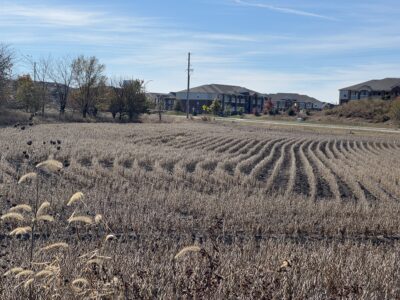
Developer seeks incentive from City of Lawrence to build 131 units of housing near Wakarusa and Queens

Lawrence city leaders will consider whether to keep Community Building open, make 2 other rec centers free to access
A STAR Bond application raises questions for city leaders about Costco and housing west of the SLT
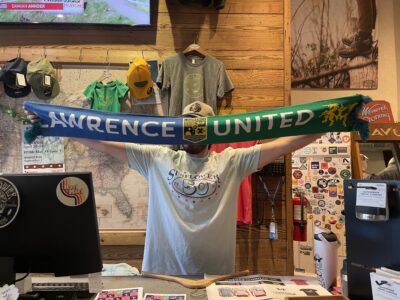
Soccer gear honoring Lawrence history’s all-star team is now on sale as part of city’s public art exhibition
To honor public servants, Lawrence’s July 4 celebration will have a whole gallery of their photos on display; submissions open now