Retailers compare present with downturn in 1980s
Lawrence sales tax collections fell by their largest amount in at least 15 years in 2009, according to recently released statistics by the city.
For many retailers, though, the decline felt even worse, taking them back to the 1980s when the country was gripped in a financial crisis of high inflation and double-digit interest rates.
“1981 and 1982 were terrible years, and this is the worst since then,” said Dale Willey, president of Lawrence’s Dale Willey Automotive. “That downturn corrected fairly quickly, but this one is taking longer.”
Recently released year-end numbers showed the economic downturn deepened in 2009.
City sales tax collections were down 3.1 percent for the year, the first time since 2002 that sales tax collections have dropped.
Overall, the city collected $21.2 million in sales taxes, or about $660,000 less than 2008.
The year-end numbers don’t take into account the three new sales taxes that voters approved in late 2008. With those numbers added into the mix, overall collections increased.
Retailers said that their businesses suffered from a lack of consumer confidence during much of the year.
“You can definitely tell we’re in a recession,” said Joe Flannery, president of Weaver’s Department Store in downtown. “There are a lot of businesses that would reflect the sales decreases that you see in those sales tax amounts.”
The 3.1 percent decline dwarfs the last retail downturn the city experienced following the 2001 terrorist attacks.
That downturn produced a drop in sales tax collections of just 0.1 percent.
Hopes are that 2010 will produce a turnaround in consumer spending. Willey said national prognosticators are predicting new vehicle sales could rise by 10 percent in 2010 as pent-up demand catches up with the market.
Flannery said sales at his store improved in October and were ahead of last year’s total in December until the blizzard hit at the end of the month.
He believes that may be a sign that consumers are ready to spend more in 2010, especially if national unemployment numbers show some sign of steadying.
“I sure hope 2010 will be better,” Flannery said. “There are not many people who are unhappy to see 2009 pass.”
City Government
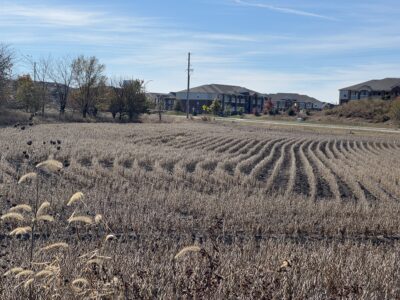
Developer seeks incentive from City of Lawrence to build 131 units of housing near Wakarusa and Queens

Lawrence city leaders will consider whether to keep Community Building open, make 2 other rec centers free to access
A STAR Bond application raises questions for city leaders about Costco and housing west of the SLT
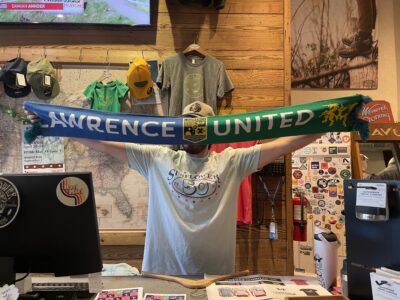
Soccer gear honoring Lawrence history’s all-star team is now on sale as part of city’s public art exhibition
To honor public servants, Lawrence’s July 4 celebration will have a whole gallery of their photos on display; submissions open now