Restaurants among Lawrence’s riskier business prospects
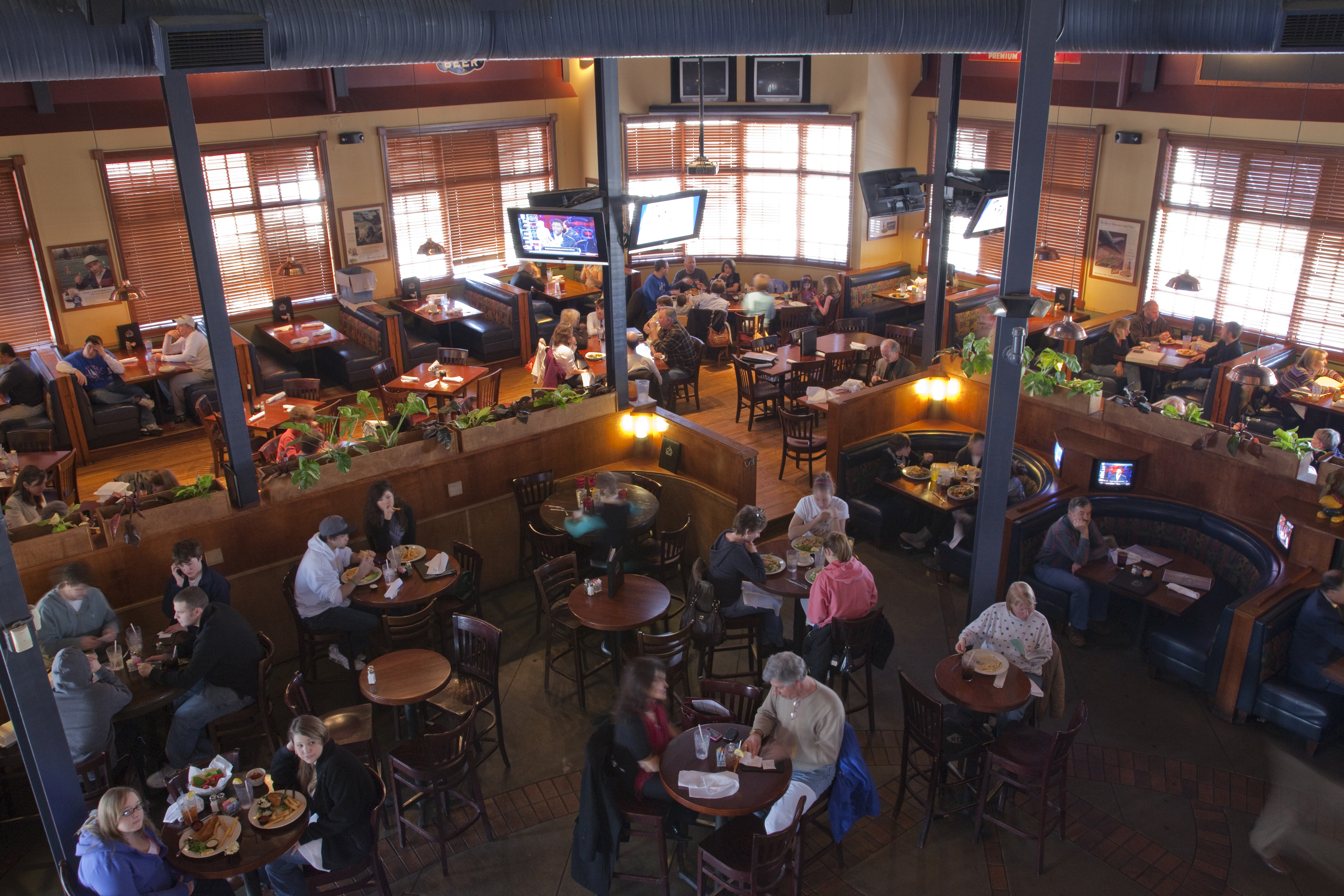
23rd Street Brewery is a popular place for lunch and dinner. “In a town this size, you’re going to get a reputation real quick about having bad food or bad service,” says managing partner Matt Llewellyn.
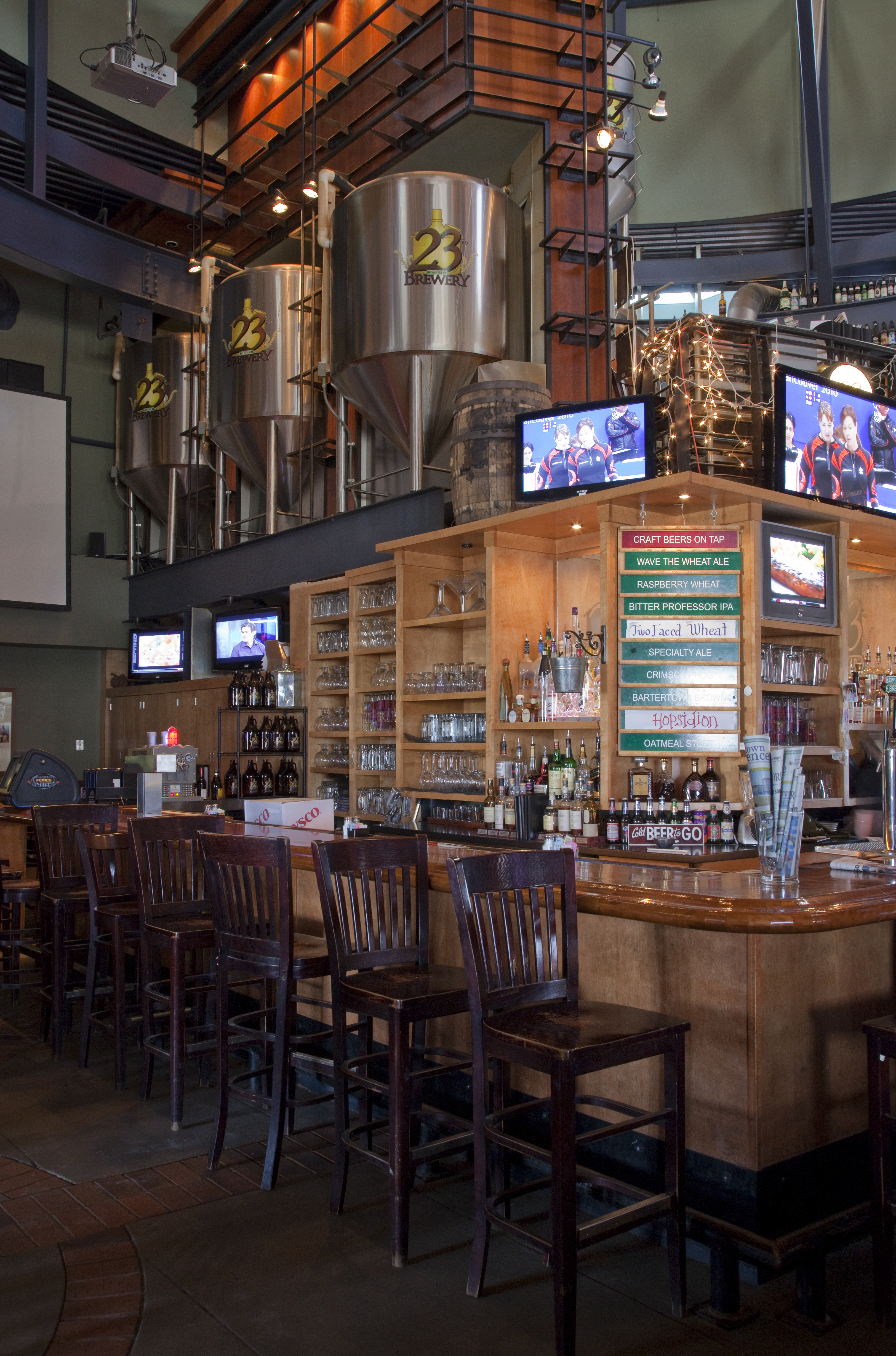
23rd Street Brewery has built business with beer distribution in addition to adding catering, banquet and event services.
Chuck Magerl has two restaurants in the eight wonders of Kansas Cuisine. The proprietor of Free State Brewing Co. and WheatFields Bakery Café has seen his fair share of restaurants come and go since the concept of Free State was born in 1988.
“Anyone who’s been in the restaurant business for more than five years is a success story,” he said. “There are so many challenges every day that if you manage to go through five years, then you’re an absolute veteran in the business and certainly doing something right.”
Lawrence, home to nearly 200 establishments that sell food, sees restaurants come and go on a regular basis. Matt Llewellyn, managing partner at 23rd Street Brewery, said Lawrence has too many restaurants and can’t support what’s already here.
“In a town this size, you’re going to get a reputation real quick about having bad food or bad service,” he said.
Building a reputation around good food and service is what Will Katz, director of the Kansas University Small Business Development Center, says is important to new restaurants.
“Restaurants close when they don’t offer something unique enough or something of great enough value,” Katz said.
Katz said the first step for a restaurant had to do was identify a client base and the second was manage expenses and cash flow.
Brad Walters, owner of the Basil Leaf Café, thought Lawrence could use more quality Italian food when he decided to open his restaurant a few months ago. Walters has worked at other restaurants, so he knows what works and what doesn’t.
“A lot of places don’t start with enough money in reserve,” he said.
Magerl says another mistake owners make is they cast their net too wide when thinking up menu or ambiance.
“We can see plenty of casualties of people who have tried to please everyone, and that’s simply not a possibility in this line of business,” he said.
Having the right temperament for the line of work is also important, he said. Not everything goes right all the time, and flexibility is essential to dealing with day-to-day problems.
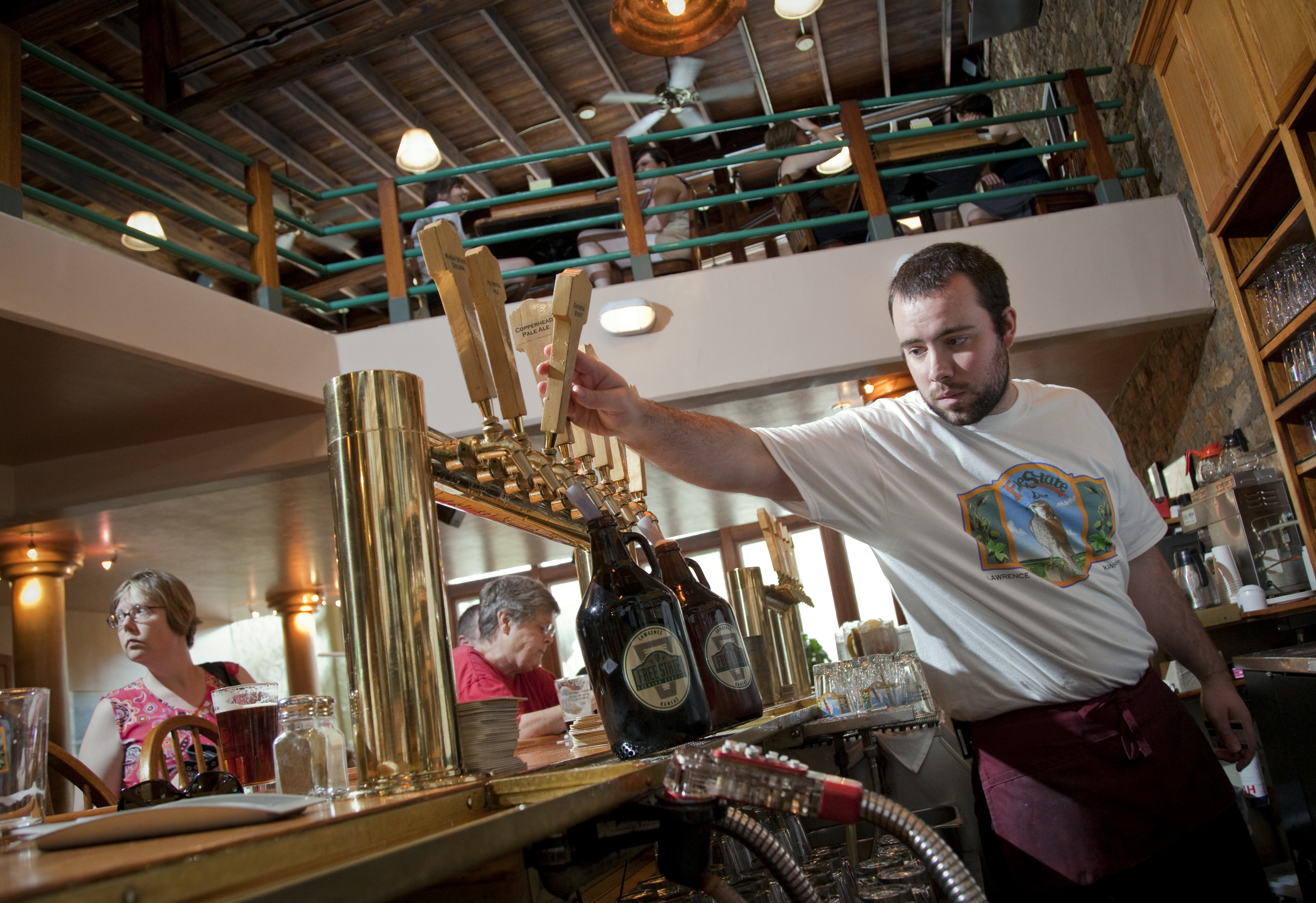
Bartender Jon Bunch pours two growlers of beer as patrons eat and drink at Free State Brewing Co., 636 Mass. Proprietor Chuck Magerl says an integral part to restaurant success is reliable staff.
“If you’re the kind of person who needs everything to fall right in place every day for your life to be on an even keel, the restaurant business will chew you up and spit you out,” Magerl said. “There’s no such thing as a normal day, and that can either be a curse or a blessing, depending on your temperament.”
Magerl said another integral part to the success of restaurants is having a reliable staff. Many of his employees have been with the restaurant since its doors opened in 1989, and it shows. The chefs get to create new specials every day, which help them stay creative and interested.
And the business side of things is always important, too. For Walters, dairy prices fluctuate most, which sometimes forces him to look at menu pricing. Llewellyn says the ingredients to make beer change in price regularly, but he doesn’t like changing his prices.
“I can’t afford to raise my prices because people are getting gouged at the pump, they’re getting gouged at the grocery store,” he said. “I’ve got to suck it up, because I’m more of a commodity. I’m a luxury. People coming out to eat is a luxury.”
And Magerl says even small setbacks, like dropping a plate, can add up to a lot. Free State makes only 30 or 40 cents on a $10 meal, so it takes many sold meals to replace the plate.
Ultimately, though, it’s about the food. Only with good food, Katz says, will a restaurant stay open.
“If they’re not strong on the food end, it doesn’t matter how good their business plan is,” he said, “they’re going out of business.”
City Government

Developer seeks incentive from City of Lawrence to build 131 units of housing near Wakarusa and Queens

Lawrence city leaders will consider whether to keep Community Building open, make 2 other rec centers free to access
A STAR Bond application raises questions for city leaders about Costco and housing west of the SLT
Soccer gear honoring Lawrence history’s all-star team is now on sale as part of city’s public art exhibition
To honor public servants, Lawrence’s July 4 celebration will have a whole gallery of their photos on display; submissions open now