Retailers find new ways to fine-tune discounts
New York ? At the Banana Republic store in New York’s World Financial Center, a white pleated skirt was on sale for $39.99, marked down from $69. The same skirt was discounted to $33.99 at Banana Republic’s SoHo store, just two miles away.
The difference wasn’t a mistake. It’s part of Banana Republic’s parent Gap Inc.’s very deliberate move to tailor prices to fit local demand and inventory — right down to the individual store level.
The payoff: Gap’s merchandise margins have either matched or topped year-ago levels in each of the past five months through May, despite declining same-store sales overall.
Gap isn’t alone. Other retailers, including Wal-Mart Stores Inc. and Home Depot Inc., have taken on or expanded some form of “localized markdowns,” rather than slash prices the same amount at the same time across all markets. This helps boost profits whenever items selling well in one region offset the need for deeper discounts somewhere else.
“It allows you to be more surgical and dynamic,” said No. 1 home-improvement retailer Home Depot’s Chief Financial Officer Carol Tome in an interview. “Rather than marking down by entire market, you can use your markdown strategy depending on the sell-through in each store.”
National
US tells states to deal with unemployment fraud or face penalties
The U.S. Labor Department told all 50 states on Wednesday that they need to get serious about fighting fraud and ...
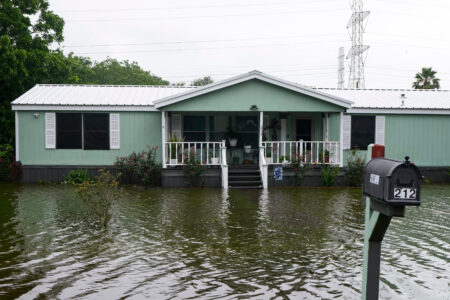
Dangerous flooding from Tropical Storm Arthur, first of the Atlantic season, threatens Gulf Coast

‘A million years isn’t enough’: Victims’ relatives confront Gilgo Beach serial killer at sentencing

Authorities disrupt planned drone, gun attack on White House UFC cage-fight
Rain along the Gulf Coast could become the first named storm of the Atlantic hurricane season
MIAMI (AP) — A cluster of storms along the Gulf Coast could become the first named tropical storm of the 2026 ...