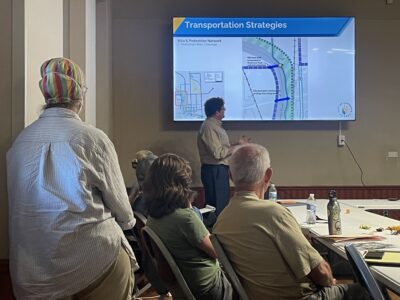
State counts its homeless
Topeka ? Bundled in a warm coat and hat, Ken Mildfelt sat next to a roaring fire in a metal drum to warm against the afternoon chill invading his home — a tent, sleeping bag and scattered belongings in a wooded area near the Kansas River.
Mildfelt, known as “Pork Chop” to those who see him at the Let’s Help Inc. center in downtown Topeka, has lived near the river with his brother Ernie since they were evicted from their rental house about two years ago.
He’s among the homeless people in Kansas. Finding out just how many homeless there are in the state was the purpose of a 40-county effort Wednesday by volunteers who fanned out to shelters, missions, abandoned houses and beneath railroad tracks to gather information about them.
The count was part of a federally mandated effort to get a better idea of the homeless situation in the country and what programs and services they need, especially in face of the ongoing recession.
Mildfelt said he once had a good job as a machine operator but had to quit because of severe arthritis in both knees that limited what he could do.
“I’m not looking for handouts or charity. I’m just looking for a helping hand,” Mildfelt said in a way that left little doubt he likes his independence.
United Way of the Plains in Wichita coordinated the count, with some 450 volunteers gathering information on questionnaires that asked about living situations, types of assistance programs being used, medical problems and how long they’ve been homeless.
“Everybody I talked to said they had been homeless for more than a year,” said Chris Irvin of United Way in Topeka.
Jeff Karas, housing specialist at the Topeka Rescue Mission, said there has been a slight increase in the number of people staying there, a product of both the economy and frigid temperatures in recent days.
“Topeka is beginning to see what’s happening on the East Coast and West Coast,” Karas said. “It’s moving to the Midwest and we expect to see the real effect on the downtown here in March or April, if the past holds true.”
Even so, for the low income it’s hard times made even harder as more people call the mission seeking help in paying their rent, utilities and getting food.
“They’re taking as much cash as they can to put it toward bills to stay in their homes,” Karas said.
City Government
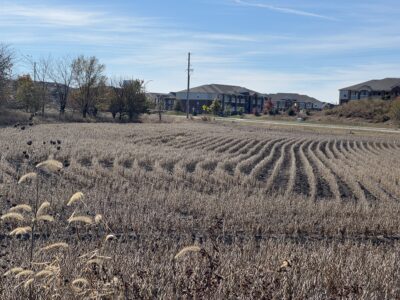
Developer seeks incentive from City of Lawrence to build 131 units of housing near Wakarusa and Queens

Lawrence city leaders will consider whether to keep Community Building open, make 2 other rec centers free to access
A STAR Bond application raises questions for city leaders about Costco and housing west of the SLT
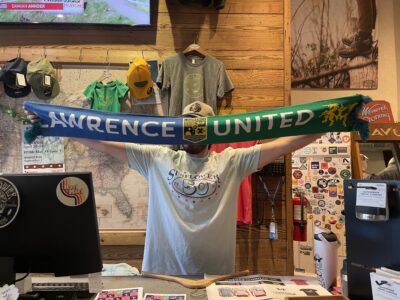
Soccer gear honoring Lawrence history’s all-star team is now on sale as part of city’s public art exhibition
To honor public servants, Lawrence’s July 4 celebration will have a whole gallery of their photos on display; submissions open now