Many vegetable plants are all-around edible
Ever thought about eating carrot tops or sweet potato leaves? Many vegetables have so-called “secondary” edible plant parts. As you finish the fall harvest, consider eating some of the leaves instead of composting them.
I have to offer a few words of caution before we venture further. Only eat plants that you can identify without a doubt. Plants collected in the wild can easily be mistaken for toxic cousins.
You should always try new items in small quantities. Bodies react differently sometimes to new foods. Individual tastes also vary.
Tastiness of plant parts varies amongst varieties. Sweet potatoes are a good example: The leaves of some varieties are well-known as edibles and are loaded with protein, while other varieties are bitter and less palatable.
You should also get to know your grower or grow the items yourself before eating uncommon items. Carrot producers are likely to employ practices to get the biggest and best roots without regard to the tops, since the root is the part that is most commonly eaten.
I have to admit, I harvested the remainder of my garden this year without regard to the carrot tops and other items. I do, however, take advantage of many items throughout the year, and I bet many of you do the same. Pea pods and squash blossoms are high on the popularity list. We even eat some plant parts with little thought; for example, the primary edible part of broccoli is the flower, but the stem is often consumed simultaneously.
Think about trying some secondary plant parts as you reap the last from this year’s garden (or as you plan for next year). Old-time cookbooks and the Web are good sources for recipes.
Researchers at Florida and Texas A&M Universities report the following items as less-common edible plant parts:
Bean leaves (green and lima); pods of lima beans are also edible
¢ Beet leaves
¢ Broccoli leaves, stems
¢ Carrot leaves
¢ Cauliflower leaves, stems
¢ Celery leaves, seeds
¢ Corn (sweet) tassels, young ears and young leaves
¢ Cucumber stem tips and young leaves
¢ Eggplant leaves (although reportedly not flavorful)
¢ Kohlrabi leaves
¢ Okra leaves
¢ Onion leaves when young
¢ Parsley roots
¢ Pea pods and young leaves
¢ Pepper leaves after cooking, immature seeds
¢ Radish leaves
¢ Squash seeds, flowers and young leaves
¢ Sweet potato leaves and stem shoots
¢ Tomato leaves
¢ Turnip leaves
¢ Watermelon rinds
Enjoy!
Food
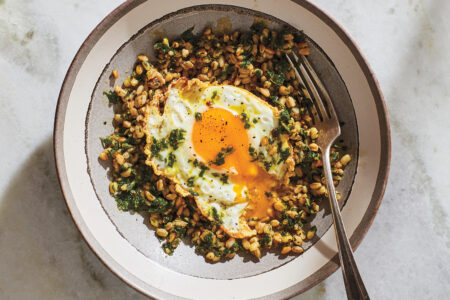
David Tamarkin’s recipe for Greens, Grains and Fried Egg works for any meal
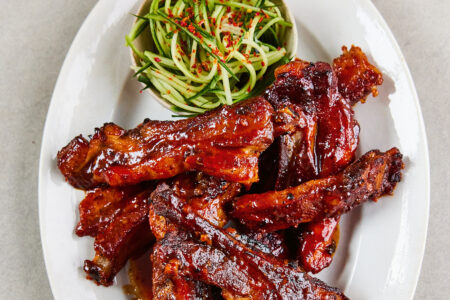
Slow-cooked, sticky-glazed pork ribs go with cucumber slaw in Sam Way’s recipe