Lawrence station offering alternative fuel blends
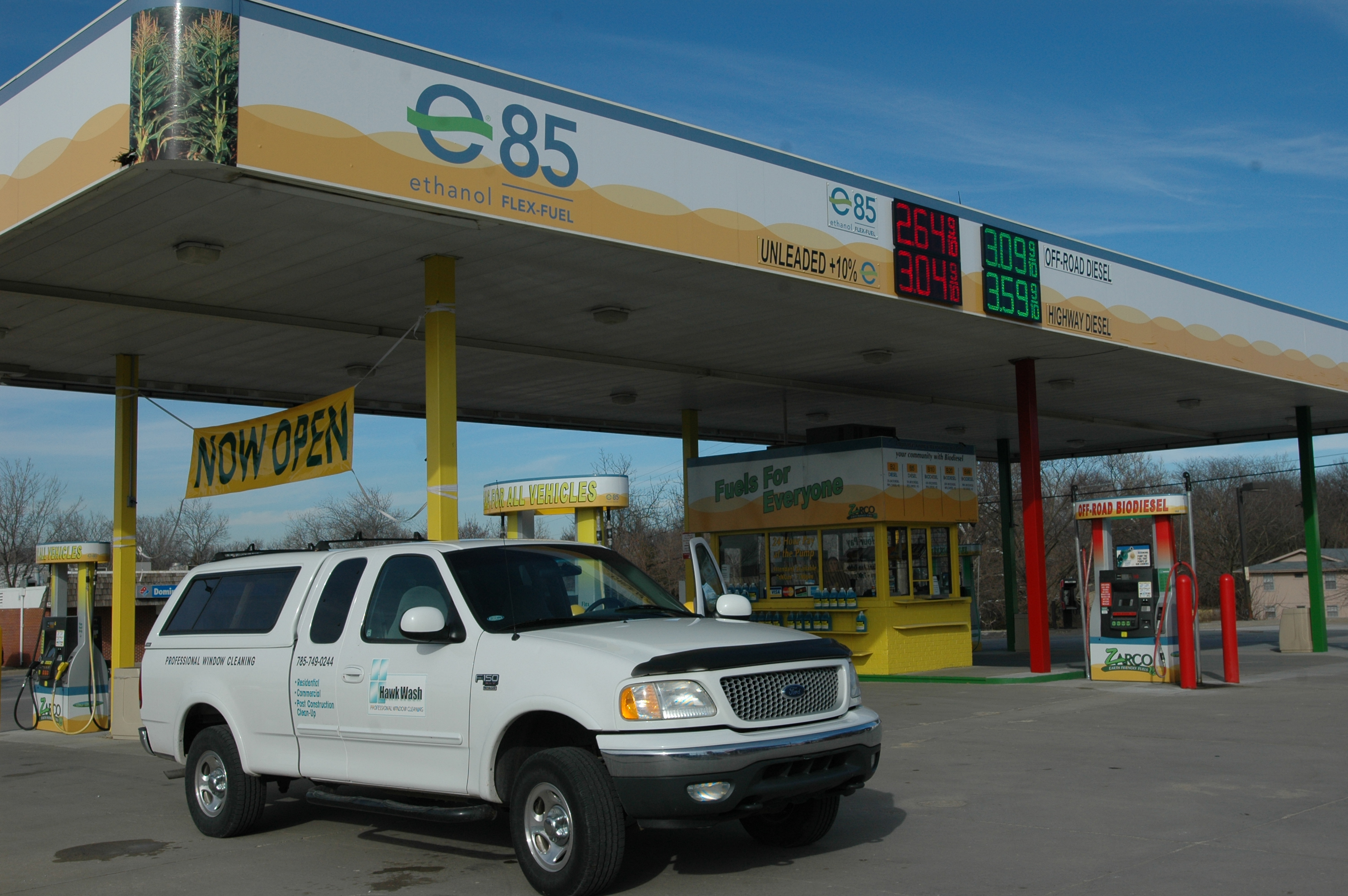
The Zarco 66 Environmentally Friendly Fuels station, located on the southeast corner of Ninth and Iowa streets, opened in early 2008.
Scott Zaremba knows people want to help preserve the environment, cut America’s reliance on foreign oil and, not least of all, save money on their fuel purchases.
So he’s prepared to take drastic action.
“I want to buy a Model T and drive it around town burning ethanol,” said Zaremba, owner of Zarco 66. “The first flex-fuel vehicle was the Model T. It burned alcohol. So from 1917 to 2008, nothing has changed. We can still use the same product.”
And while other fuel stations in Lawrence carry gasoline blends that contain 10 percent ethanol, Zaremba is going even further. In February, he opened Zarco 66 Environmentally Friendly Fuels, a flex-fuel station at Ninth and Iowa streets offering blends ranging from 10 percent to 85 percent ethanol, plus a range of biodiesel versions.
The station is his ninth fueling outpost, spread out from Lawrence to Olathe, Ottawa and Paola, but the first to commit itself to a market segment that has been gaining traction: fuels made from corn, soybeans, chicken oil or other materials to help reduce the need for crude oil.
That he had to buy a competitor’s operation – a Citgo – adjacent to one of his existing Zarco 66 stations, then spend 2.5 times the amount it normally would cost to put in new tanks, pumps and other equipment, just strengthens Zaremba’s resolve.
“The response has been good, but the biggest thing now is to educate people,” he said. “A lot of people drive by and are scared to fill up.
“This deal is not going to be easy. Even people who are for it are skeptical.”
So he keeps at it.
Among the easier selling points is price. Depending on the blend, a gallon of Zaremba’s flex fuel generally can cost up to 40 cents less than a gallon of conventional fuel next door.
Any car made after 1990 can burn a fuel blend with 10 percent ethanol, he said. And an increasing number of newer cars are capable of burning so-called “E85,” a blend that is 85 percent ethanol.
Lists of vehicles that can burn flex fuels are listed on Zaremba’s Web site, www.zarco66.com, along with information about tax advantages and other matters that can make a difference.
The key, he said, is to consider the whole picture in deciding how to fuel a person’s needs, whether it’s for a family minivan, a high-performance sports car, a piece of farm equipment or anything else with an internal-combustion engine.
He said that people who focus on the few negatives of flex fuel – the higher the blend, the more you have to burn; demand for corn drives up commodity prices, which in turn boost prices for meats, breads and other products – are missing what’s important.
“Give someone a million dollars, they’ll say they have to pay taxes on it,” he said, dismissing critics. “Unless you are trying something new, and trying to evolve it, we will never improve. Status quo gets us nowhere.
“Right now, we’re just at the starting point. With crude oil prices going up, we have to create alternatives. And we have to evolve with them.”
City Government

City to keep Community Building open through end of 2026; leaders want more data before deciding on 2027
City leaders approve incentive for 131-unit housing development near Wakarusa and Queens
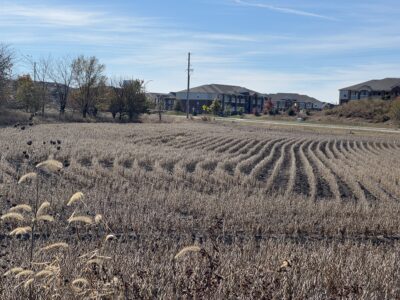
Developer seeks incentive from City of Lawrence to build 131 units of housing near Wakarusa and Queens

Lawrence city leaders will consider whether to keep Community Building open, make 2 other rec centers free to access
A STAR Bond application raises questions for city leaders about Costco and housing west of the SLT