Don’t procrastinate when paying taxes
April 15 has passed, and you didn’t file your 2007 taxes.
In fact, it’s been several years since you’ve filed a return. You’re scared. You’re not sure if you owe or were due a refund, but as the years go by, you just can’t seem to overcome inertia.
Or you worked through your return and you know you owed money, but you didn’t file because you were broke. You figure you’ll file once you’ve saved up all the tax money. Or perhaps you’re willfully not filing, hoping – even praying – that the Internal Revenue Service won’t catch up with you.
If you fit any of these descriptions, it’s better to come forward and work out a deal than to get that fateful letter laying out the hefty penalties and interest charges for not filing your return on time and failing to pay promptly.
“We have a saying that in the tax arena: Procrastination costs,” said Beanna J. Whitlock, executive director of the National Society of Tax Professionals.
The IRS can impose a number of penalties for tax scofflaws, ranging from civil fines to imprisonment for criminal tax evasion.
If you need incentive to file, here are the various penalties that can be imposed, according to the IRS:
¢ If you file late without getting an extension, the failure-to-file penalty is usually 5 percent for each month or part of a month that a return is late, but not more than 25 percent. The penalty is based on the tax you didn’t pay by the due date.
¢ If you don’t pay on time, you are subject to a failure-to-pay penalty of one-half of 1 percent of your unpaid taxes for each month, or part of a month.
¢ The failure-to-pay penalty rate increases to 1 percent per month for any tax that remains unpaid the day after a demand for immediate payment is issued, or 10 days after notice of intent to levy certain assets is issued.
¢ If you file on time but can’t pay, the failure-to-pay penalty rate is reduced to one-quarter of 1 percent per month during any month in which the taxpayer has a valid installment agreement in force.
¢ If there is any underpayment of tax on your return due to fraud, you’re subject to a penalty of up to 75 percent of the amount you underpaid because of fraud. The fraud penalty on a joint return does not apply to a spouse unless some part of the underpayment is due to the fraud committed by the spouse.
If you haven’t filed in years, one reason to do so now is that you may actually be due some money. But there’s a short window of opportunity to collect your cash. Generally, if you are due a refund, you have to claim it within three years of the date the return was due.
If you’re self-employed, here’s another reason to file. If you don’t, you will not receive credits toward Social Security retirement or disability benefits.
If you haven’t filed because you don’t have the full amount due, file and pay what you can. Keep in mind that the unpaid balance is subject to interest compounded daily and a monthly late-payment penalty.
City Government

Developer seeks incentive from City of Lawrence to build 131 units of housing near Wakarusa and Queens

Lawrence city leaders will consider whether to keep Community Building open, make 2 other rec centers free to access
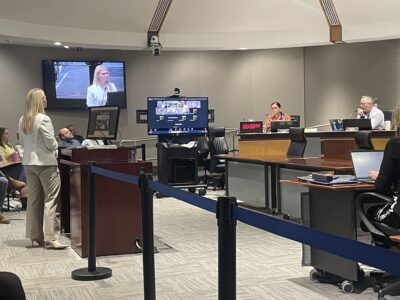
A STAR Bond application raises questions for city leaders about Costco and housing west of the SLT

Soccer gear honoring Lawrence history’s all-star team is now on sale as part of city’s public art exhibition

To honor public servants, Lawrence’s July 4 celebration will have a whole gallery of their photos on display; submissions open now