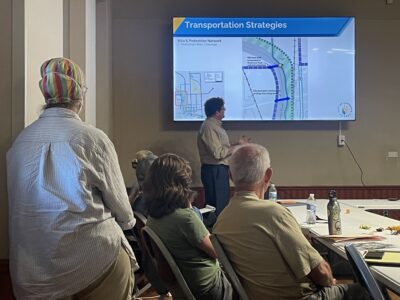
State leaders share ideas, experiences at summit
More than 100 bona fide leaders assembled Friday at the Dole Institute of Politics to pore over economic data, assess the pains of a looming health care crisis and discuss why it’s so important for the state to steer clear of regulatory and infrastructure potholes threatening to stifle transportation.
The solutions have to be in here somewhere, they figured.
“Everybody’s open and sharing ideas,” said Bonnie Lowe, a bank president, former Lawrence mayor and 1994 graduate of Leadership Kansas. “What works in Manhattan, Kansas, may work in Lawrence, and what they do in Garden City may help the people in Abilene. And I think it’s important that we learn those lessons that somebody else has gone through and go from there.”
Lowe and other alumni of the Kansas Chamber of Commerce’s leadership program – now in its 29th year – gathered Friday in Lawrence for the organization’s annual leadership summit. The event included tours of Lawrence sites, informational programs from experts and addresses from Lt. Gov. Mark Parkinson and Frank Carney, a co-founder of Pizza Hut Corp.
Members of this year’s 40-member class for Leadership Kansas – including Lawrence residents David Corliss, Lawrence city manager; Peggy Loyd, a vice president for Westar Energy; and state Sen. Roger Pine, R-Lawrence – started their formal program education with orientation sessions at the Lied Center, and a reception later at the Lawrence Arts Center.
The participants emerged from a field of more than 500 nominations, and later this year they will join more than 1,000 Leadership Kansas alumni whose charge is to continue working to make Kansas a better place to live, work and do business.
Friday’s summit brought all the players together.
“We’re getting together to get reacquainted with the issues that are important to the state of Kansas,” said John Federico, the program’s executive director.
Marilyn Bittenbender, a Lawrence real estate broker, Leadership Kansas graduate and member of the program’s board of directors, said that such networking was an important part of the program’s success.
“We learn and we take away things that we can implement in our hometowns,” she said.
City Government
Developer seeks incentive from City of Lawrence to build 131 units of housing near Wakarusa and Queens

Lawrence city leaders will consider whether to keep Community Building open, make 2 other rec centers free to access
A STAR Bond application raises questions for city leaders about Costco and housing west of the SLT
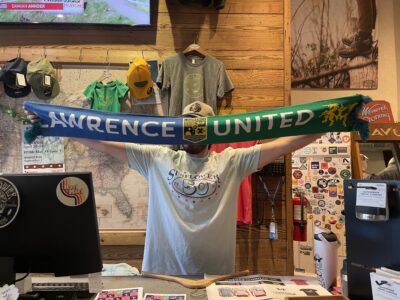
Soccer gear honoring Lawrence history’s all-star team is now on sale as part of city’s public art exhibition
To honor public servants, Lawrence’s July 4 celebration will have a whole gallery of their photos on display; submissions open now