States face big bills for retirees
Study sizes up costs of pensions, health-care coverage
Kansas lags on financed debt
Kansas has a $17.6 billion bill on the way for state, school and local government retirees and employees through the state’s pension system, with $12.2 billion set aside to cover the coming debt, according to a study conducted by the Pew Charitable Trusts’ Center on the States.
The percentage of financed debt – 69 percent of the total – lags behind the midpoint of 82 percent among the 50 states.
Washington ? About 90 percent of state workers get pensions, and the bill is coming due.
According to a new analysis by the Pew Charitable Trusts’ Center on the States, states owe employees about $2.73 trillion for pension and health-care costs, much of which is unfunded.
Because of new government accounting standards for pensions and the cost of retiree health insurance, states are being required to tabulate how much the benefits they are offering workers actually cost.
States have covered about 85 percent of the cost for pensions, mostly by establishing trust funds that have made investments that will build capital for the future, according to the Pew report, but few have set aside money for future health insurance costs.
The 50 states owe at least $381 billion for retiree health insurance over the next 30 years.
“For states that have dug themselves into a deep hole, there are no quick and easy solutions,” said Susan Urahn, the Pew center’s managing director. “But there are fiscally responsible steps all states can take.”
She said states will need to put more money into trust funds to be invested to cover the future expenses, instead of spending the money for such things as roads and schools, and they will need to reduce retiree benefits.
Private-sector employers have been grappling with these expenses for the past two decades. About 35 percent of private-sector workers had traditional benefit plans in 1980, and that number is expected to drop to 13 percent by 2016, according to the Pew report. Similarly, only about one-third of private-sector retirees now get retiree health insurance, down 50 percent from 1988.
The disparity between the private sector and the public sector is creating what the Pew report called “pension envy.” Some people see the discrepancy as a reason to cut government employees’ benefits, while others say governments should be setting superior standards.
City Government
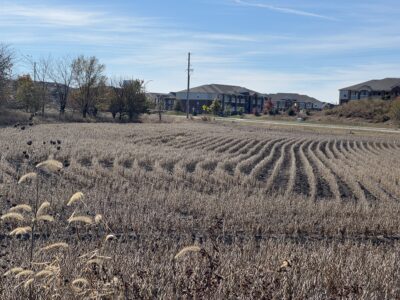
Developer seeks incentive from City of Lawrence to build 131 units of housing near Wakarusa and Queens

Lawrence city leaders will consider whether to keep Community Building open, make 2 other rec centers free to access
A STAR Bond application raises questions for city leaders about Costco and housing west of the SLT

Soccer gear honoring Lawrence history’s all-star team is now on sale as part of city’s public art exhibition
To honor public servants, Lawrence’s July 4 celebration will have a whole gallery of their photos on display; submissions open now