Wheat farmers await damage assessment
The freeze, which hit during the first weekend of April, damaged wheat plants in the county, the eastern two-thirds of Kansas and elsewhere in the wheat belt, said Bill Wood, the agriculture agent for K-State Research and Extension in Douglas County.
Now it’s a matter of determining how much damage occurred, and whether it would be best to stick with the crop or otherwise plow it under to make way for planting more expensive corn or soybeans.
Such decisions likely will start being made in a week or so, Wood said, once the wheat plants get a chance to start growing again and indicate whether damage is severe, moderate or slight.
“Realistically, we won’t know until harvest,” Wood said. “We just won’t know. But wheat is a tough crop. It may not look too good, but if the weather would cooperate : extra tillers could come up and produce a fairly bountiful crop.
“It’ll be a tough choice for a farmer to make.”
Preliminary reports indicate that as much as 70 percent of the state’s wheat crop may have suffered some degree of damage in the freeze, with the hardest-hit areas running from north-central to south-central Kansas.
“I certainly believe that there will be a significant reduction in the Kansas wheat crop this year from several days of cold temperatures,” said Adrian Polansky, the state’s secretary of agriculture. “I think I can say that without doubt.”
The Agricultural Statistics Service plans to conduct a survey around May 1 to document yield losses so that the state can seek emergency disaster declarations for affected counties.
The service reported this week that just 31 percent of the winter wheat crop had escaped freeze damage. The service estimated freeze damage to the rest of the crop as 25 percent light, 26 percent moderate and 18 percent severe.
City Government
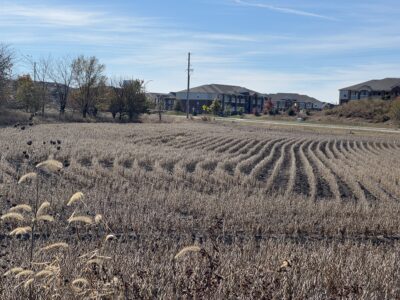
Developer seeks incentive from City of Lawrence to build 131 units of housing near Wakarusa and Queens

Lawrence city leaders will consider whether to keep Community Building open, make 2 other rec centers free to access
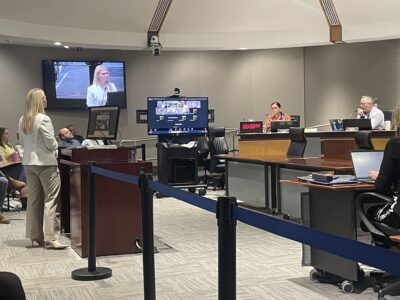
A STAR Bond application raises questions for city leaders about Costco and housing west of the SLT
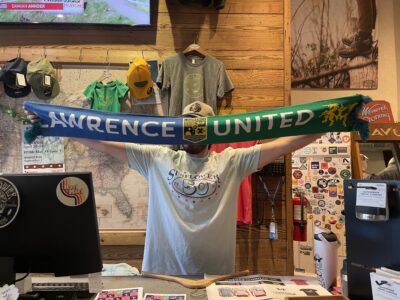
Soccer gear honoring Lawrence history’s all-star team is now on sale as part of city’s public art exhibition
To honor public servants, Lawrence’s July 4 celebration will have a whole gallery of their photos on display; submissions open now