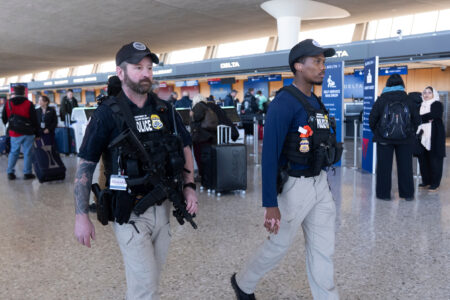
Late trip reports common in House
DeLay scandal puts renewed focus on lawmakers' travel
Washington ? Scrutiny of Majority Leader Tom DeLay’s travel has led to the belated disclosure of at least 198 previously unreported special interest trips by House members and their aides, including eight years of travel by the second-ranking Democrat, an Associated Press review has found.
At least 43 House members and dozens of aides had failed to meet the one-month deadline in ethics rules for disclosing trips financed by organizations outside the U.S. government.
The AP review of thousands of pages of records covered pre-2005 travel that was disclosed since early March. That’s when news stories began scrutinizing DeLay’s travel, prompting lawmakers to comb through their files to make sure they had disclosed their travel.
While most of the previously undisclosed trips occurred in 2004, some date to the late 1990s. House Minority Whip Steny Hoyer recently disclosed 12 trips, the oldest dating to 1997.
Hoyer’s undisclosed trips were nearly doubled by Rep. Ellen Tauscher, D-Calif., with 21. Rep. Luis Gutierrez, D-Ill., reported 20 past trips and Rep. Elijah Cummings, D-Md., reported 13.
Republican and Democratic House members were nearly equal rules violators in failing to disclose their personal trips within 30 days after the trip’s completion. There were 23 GOP members, 19 Democrats and one independent, all of them months or years late in their reporting to the House public records office.
Staff members for House Minority Leader Nancy Pelosi, D-Calif., disclosed 11 prior trips, while staff members for DeLay, R-Texas, had four. Rep. John Linder of Georgia, a former chairman of the House Republican campaign organization, belatedly filed nine trips, as did Rep. Maxine Waters, D-Calif.
The volume of unreported trips surprised the former chairman of the House ethics committee, Rep. Joel Hefley, R-Colo.
“I didn’t realize the extent of the problem,” Hefley said. “There is no particular sanction (for tardiness) if you come back and file. They get lax. They don’t think about it.”
The special interest trips are usually financed by corporations, trade groups, think tanks, universities and others.
National
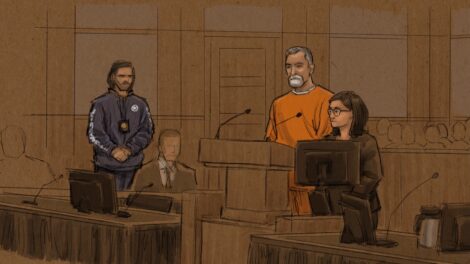
Man pleads guilty to killing a top Minnesota Democrat and her husband
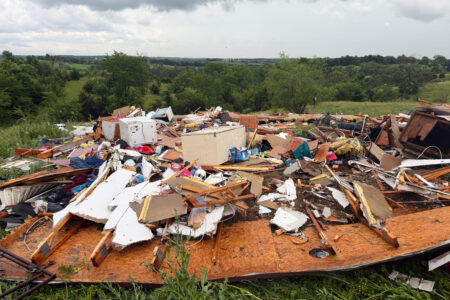
New tornadoes outside Chicago as severe storms pummel the Midwest
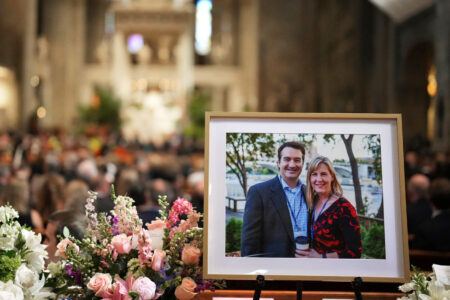
Feds won’t seek death penalty in plea deal with man accused of killing top Minnesota Democrat
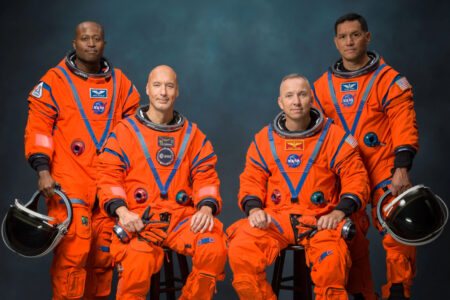
NASA unveils astronauts to test tech for future moon landing
Social Security’ fund faces shortfall one year earlier than expected
WASHINGTON (AP) — Social Security 's retirement trust fund is projected to face a funding shortfall in 2032, a ...