World TB Day to raise awareness of illness
Cases of tuberculosis decreased by 17.4 percent, a second consecutive year in Kansas for declining occurrence of the disease.
Though the once common disease has grown increasingly rare, it still has not been banished, not even from Douglas County.
“We average about one case of active TB, which is infectious, a year,” said Kim Ens, disease control program coordinator for the Lawrence-Douglas County Health Department.
There were 62 new cases of TB reported in Kansas in 2004. That’s down from the 75 cases reported in 2003. Douglas County reported one case of active TB in both 2003 and 2004, Ens said.
Health officials said despite steady eradication of tuberculosis among the general population, awareness of the disease needs to continue. Today has been designated World TB Day.
“While the number of cases of TB continues to fall in Kansas, it is crucial that we continue to be vigilant and aware of the risk of TB,” said Phil Griffin, TB controller for the Kansas Department of Health and Environment. “The cases may be fewer, but the cases are more complex to treat and cure because of an increase in coinfection with HIV and other chronic illnesses and an increase in drug resistance.”
TB is a bacteria treatable with antibiotics, Ens said. Those with an active case of TB can spread it through the air by coughing or sneezing, she said.
Children, the elderly and people with weakened immune systems are most at risk for catching TB, Ens said.
“When we find someone with an active case of TB, we ask the person to stay home for two to four weeks and put them on antibiotics,” she said. “We also have them put on a mask if they go out in public.”
Symptoms associated with TB include weight loss, appetite loss, chills, fever, night sweats and a cough that lasts longer than two weeks.
“Sometimes people have pains in the chest or cough up blood,” Ens said.
She said TB usually was found in the lungs, but it also can spread to the kidneys and spine.
City Government
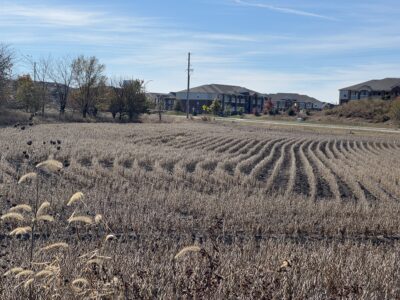
Developer seeks incentive from City of Lawrence to build 131 units of housing near Wakarusa and Queens

Lawrence city leaders will consider whether to keep Community Building open, make 2 other rec centers free to access
A STAR Bond application raises questions for city leaders about Costco and housing west of the SLT

Soccer gear honoring Lawrence history’s all-star team is now on sale as part of city’s public art exhibition
To honor public servants, Lawrence’s July 4 celebration will have a whole gallery of their photos on display; submissions open now