Summit renews push to preserve heritage
Douglas County plan complements effort for federal designation
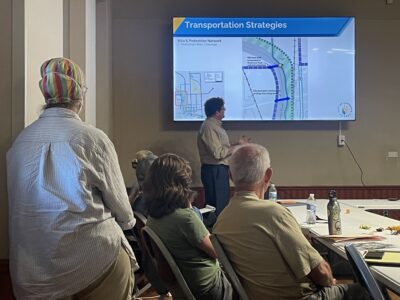
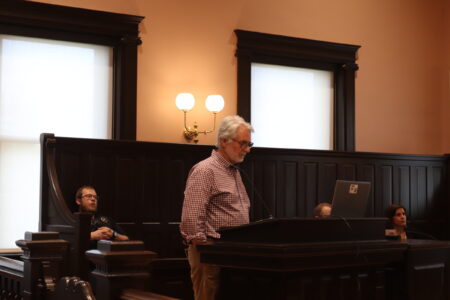
An effort to develop a Douglas County heritage plan gained renewed emphasis Saturday during a morning summit at Lawrence’s City Hall.
About 50 people representing a variety of interests and backgrounds attended the summit, designed to spur specific ideas for interpreting and making accessible the county’s rich heritage and history.
The heritage plan would complement the effort to get federal legislation designating Douglas County and parts of Northeast Kansas as a National Heritage Area because of the pre-Civil War struggles in the area. This past week, Kansas Republican Sens. Pat Roberts and Sam Brownback and U.S. Rep. Jim Ryun introduced bills in Congress to recognize the area’s history.
“Clearly it’s about Bleeding Kansas, but another very important theme is the ongoing history of conflict in this region and its role in political life and its role in the development of the region” said Deanell Tacha, chief judge of the 10th U.S. Circuit Court of Appeals, and a Lawrence resident who has been leading the local effort for the heritage designation and plan.
Other areas of interest in a heritage plan could be civil rights, American Indians and Haskell Indian Nations University, blacks and race relations, Tacha said.
“What contemporary people don’t know is the very rich history of various ethnic groups who came here,” she said.
Specifics of a heritage plan could make use of trails, rivers, railroads and education programs in getting the heritage story across to the public, Tacha said. Projects would be developed to be implemented over the next 10 to 20 years.
“Kansans can also anticipate a boost to local economies due to increased tourism and a national interest in the heritage of our state,” Ryun said in a statement Wednesday announcing his introduction of the House bill.

 Senators to reintroduce heritage bill (1-27-05)
The next step is to pull together all of the priorities discussed Saturday and put them into a report, Tacha said. She said she will then develop a summary to be released to the community.
Local groups also will be watching Congress to see whether the National Heritage Area legislation is finally passed. Currently 24 National Heritage Areas exist in the United States. Such a designation opens the door to federal funding for projects featuring history and heritage. It also requires a management guide to access the funds.
City Government
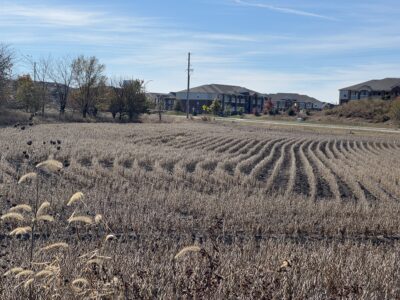
Developer seeks incentive from City of Lawrence to build 131 units of housing near Wakarusa and Queens

Lawrence city leaders will consider whether to keep Community Building open, make 2 other rec centers free to access
A STAR Bond application raises questions for city leaders about Costco and housing west of the SLT
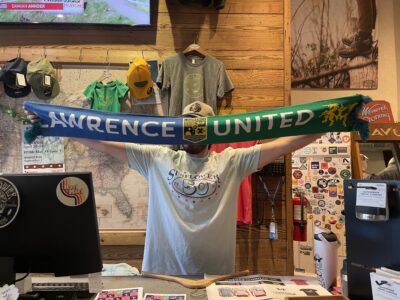
Soccer gear honoring Lawrence history’s all-star team is now on sale as part of city’s public art exhibition
To honor public servants, Lawrence’s July 4 celebration will have a whole gallery of their photos on display; submissions open now