Suicide forces rethinking city’s mental health care
Group agrees to study Lawrence's lack of facilities
Impassioned pleas from parents who have lost children to suicide were enough to convince a group of health care leaders they need to examine the city’s mental health care system.
“My daughter asked for help,” said Kathy Mitchell, whose daughter Brianna committed suicide last month after she was sent home from Lawrence Memorial Hospital because LMH lacked a mental health unit. “We were at LMH. We knew she was in crisis. There was a gap in the system, and it wasn’t for a lack of us seeking help.”
On Wednesday, after hearing from Mitchell and others in an early-morning crowd of about 40 people, board members of the Community Health Improvement Project unanimously agreed to launch a study of mental health care services in Lawrence.
Many in the crowd urged the board to create a plan for reopening LMH’s inpatient mental health unit, which closed in May amid staff shortages and financial concerns.
Last month, when Brianna Mitchell became suicidal, her mother accompanied her to the LMH emergency room. LMH officials told her that her daughter needed treatment at the state mental hospital in Osawatomie. But weather conditions prevented her daughter from being transported to Osawatomie that night, so the Mitchells were told to go home and return the next morning. But Brianna Mitchell committed suicide that night while at her mother’s home.
Mental health advocates said the case was a good example why the community couldn’t rely on facilities in other towns.
“Everybody knows that the state has really cut back on its mental health services, so this is a community problem that needs to be addressed by the community and needs to be addressed now,” said Darryl Krape, who had a son who suffered from mental illness and committed suicide nearly seven years ago.
Mental health advocates are hoping that the CHIP board will be the group that can lend steam to their efforts. The board is made up of representatives from 15 different organizations including most of the major health care and social service providers in the community. The group also has a history of tackling broad health issues.
The board, funded by grants and based at the Lawrence-Douglas County Health Department, currently has programs to address issues related to obesity, physical activity/nutrition, adult immunizations, access to health care and tobacco use prevention.
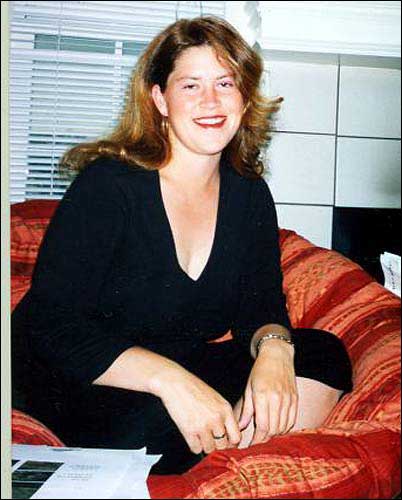
Lawrence resident Brianna Mitchell killed herself last month while waiting to receive care for her mental illness. Her death is one incident leading to an examination the city's mental health care system.
Alan Miller, a Lawrence resident who also has a son who suffers from mental illness, said the fact the group will now study mental health is a positive first step.
“These are people who are in positions of power,” Miller said. “These are people who can make the decisions.”
But board members were quick to note that their role most likely would be to serve as a “catalyst” to create discussions among groups such as LMH, Bert Nash Community Mental Health Center and area governments that have the financial resources to address the problem.
“I see us as having some jawboning ability to address this issue, but it will be different than the issues we’ve addressed before,” said Craig Weinaug, Douglas County administrator and a board member.
Previously the board has developed public education campaigns or other efforts to increase awareness of an issue.
Board Chairwoman Carol Seager, director of Kansas University’s Watkins Student Health Center, said the board would create a task force to study the mental health situation. She said the task force likely would include both board and community members. No time line was set for when the task force will be created.

 6News video: Panel moves forward on mental health issues
 Mother furious over suicide (01-23-05)
City Government

Developer seeks incentive from City of Lawrence to build 131 units of housing near Wakarusa and Queens

Lawrence city leaders will consider whether to keep Community Building open, make 2 other rec centers free to access
A STAR Bond application raises questions for city leaders about Costco and housing west of the SLT

Soccer gear honoring Lawrence history’s all-star team is now on sale as part of city’s public art exhibition
To honor public servants, Lawrence’s July 4 celebration will have a whole gallery of their photos on display; submissions open now