Court hears sexual offender case
Man convicted in area crimes isn't predator, lawyer says
Topeka ? A repeat child-sex offender convicted of crimes in Douglas County has been wrongly committed to a state hospital for sexually violent predators, his attorney argued Monday before the Kansas Supreme Court.
“The errors were so glaring. The trial seemed to be without rules,” attorney Jessica Kunen said.
But Assistant Atty. Gen. Nola Wright said the jury was correct to designate Randy Foster a sexually violent predator, which led to his commitment under civil proceedings to Larned State Hospital for an indefinite period.
“The overwhelming evidence about this man’s sexual history is more than enough,” Wright argued.
The state Supreme Court took no action but is expected to rule by Feb. 3.
The case focused on how far the state could go in committing a sex offender to a state hospital after the offender’s prison sentence has been served.
The practice has been upheld by the U.S. Supreme Court. But the commitment program has been under fire lately for its escalating costs, the fact that only one person has left the program and allegations there are no hard-and-fast rules on who is placed in it.

Kunen said Foster has a “terrible criminal history,” which according to court documents included numerous sexual assaults of girls as young as age 2. He was convicted of aggravated sexual battery in Lawrence in 1993.
But she said Foster, now 46, had completed several offender treatment programs in prison.
In 2003, the state held a jury trial on whether he was a sexually violent predator.
During opening statements in the 2003 trial, Wright, who also served in that case as a prosecutor, told the jury Foster already had been deemed a predator in numerous evaluations and screenings, and that even the judge had found probable cause to go forward with the case.
Kunen told the state Supreme Court on Monday those statements were out of line because they prejudiced the jury.
“Anyone could reasonably have inferred they (the jury) were a rubber stamp,” Kunen said.
In addition, polygraph tests conducted on Foster that showed “deception” were presented during the trial, which was a civil proceeding. During a criminal trial, these kinds of tests would not have been allowed to be introduced as evidence, Kunen maintained.
But Wright argued her statements were appropriate and noted that the defense attorney during that hearing, who was Charles Branson, now the Douglas County district attorney, did not object.
Supreme Court justices said it didn’t matter whether the objections were made.
“Some would suggest your attitude is whatever they don’t object to, I’m going to do,” Justice Lawton Nuss said to Wright.
Wright denied she went out of bounds. She maintained that Foster “had full and fair access to every institutional document.”
Kunen said the Supreme Court should start setting the boundaries on what is acceptable during the civil commitment hearings.
“The case does present a starting point to decide these kinds of issues,” she said.
City Government
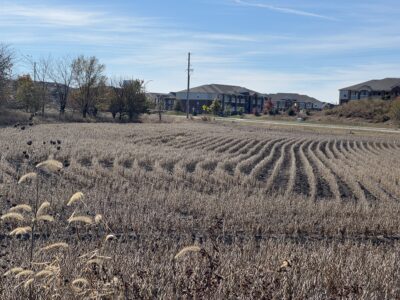
Developer seeks incentive from City of Lawrence to build 131 units of housing near Wakarusa and Queens

Lawrence city leaders will consider whether to keep Community Building open, make 2 other rec centers free to access
A STAR Bond application raises questions for city leaders about Costco and housing west of the SLT
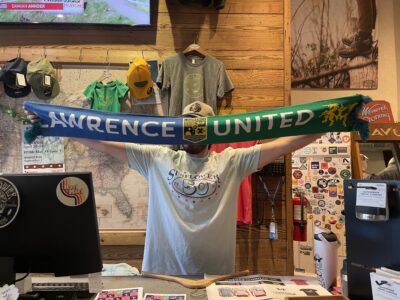
Soccer gear honoring Lawrence history’s all-star team is now on sale as part of city’s public art exhibition
To honor public servants, Lawrence’s July 4 celebration will have a whole gallery of their photos on display; submissions open now