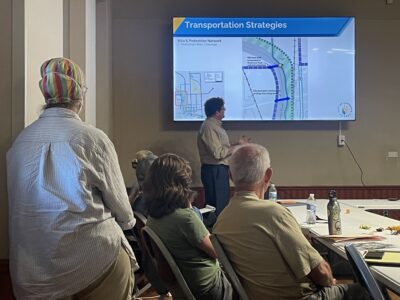
County weighs proposed design for four-land freeway to Ottawa
State engineers will have to wait at least another month before getting Douglas County commissioners’ advice for designing a new freeway alongside U.S. Highway 59.
Commissioners intend to conduct a work session Aug. 18 to hammer out preferences for where side streets should connect with, cross over, dip beneath or stop short of the planned $210 million freeway.
Commissioners told state officials last month that they’d work to have design suggestions compiled by the end of July, but the complexities of the issues involved — and the sheer number of officials to be consulted with — pushed the schedule back.
“We want to make the right decisions, long term,” Commissioner Bob Johnson said Monday.
The four-lane freeway, scheduled to open in 2009, would connect Lawrence and Ottawa and be designed to improve safety for drivers along the corridor. The existing 18-mile stretch of U.S. 59 would remain as a frontage road, but no longer carry the loads of traffic that have faced an accident rate that is 25 percent higher than on similar highways elsewhere in the state.
The Kansas Department of Transportation estimates that the freeway will cut the rate of fatality accidents by 80 percent and trim the rate of injury accidents by 60 percent.
The Kansas Department of Transportation’s preliminary plans for the freeway call for U.S. 59 interchanges at U.S. Highway 56, County Road 460 and County Road 458, also known as Wells Overlook Road. The freeway would be crossed, but not intersected, along North 1, North 150 and North 900 roads.
Among the questions commissioners intend to pose during the work session: Should the county request more freeway crossings? The department’s current plans would leave a 3.5-mile stretch, between County Road 460 and Wells Overlook Road, that would not have a freeway crossing.
Commissioners want to explore whether adding a crossing — likely along North 550 Road — would make sense. Such features typically cost about $1.4 million each.
“People are going to want more,” said Charles Jones, commission chairman, “but more has a price attached to it.”
Commissioners intend to consult with dozens of officials during the work session. Among those to be invited to participate include leaders of departments, governments and offices whose operations might be affected by the location of freeway crossings and connections.
Leaders from city councils, townships, school districts, emergency services and post offices all will be invited to attend and discuss plans.
City Government
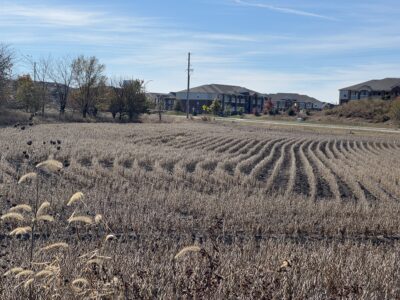
Developer seeks incentive from City of Lawrence to build 131 units of housing near Wakarusa and Queens

Lawrence city leaders will consider whether to keep Community Building open, make 2 other rec centers free to access
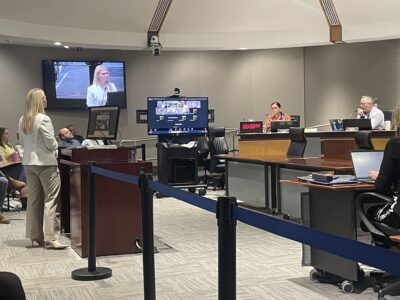
A STAR Bond application raises questions for city leaders about Costco and housing west of the SLT
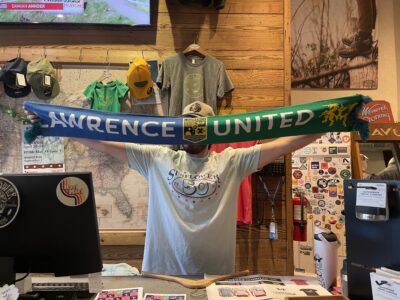
Soccer gear honoring Lawrence history’s all-star team is now on sale as part of city’s public art exhibition
To honor public servants, Lawrence’s July 4 celebration will have a whole gallery of their photos on display; submissions open now