Development fees being considered for county
New homeowners in rural Douglas County aren’t paying enough taxes to cover the rising costs of heightened sheriff’s patrols, mounting road upgrades and other public services, John Haase says.
And that’s why developers should pay additional fees each time they build a new home at the edge of Lawrence, Baldwin, Eudora, Lecompton or anywhere else in the unincorporated areas of the county, he said.
“We need to levy some sort of development fee,” said Haase, chairman of the Rural Planning Committee of the Lawrence-Douglas County Planning Commission. “If an independent study reveals – as I’m confident it will – that there is a cost of services … that exceeds the revenues coming in … then that (new) revenue should be identified and levied at the time of development.”
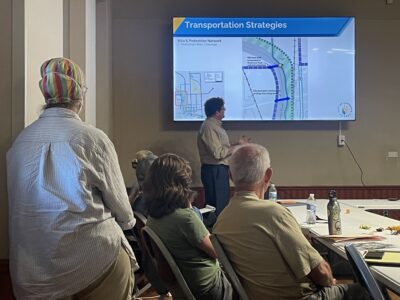
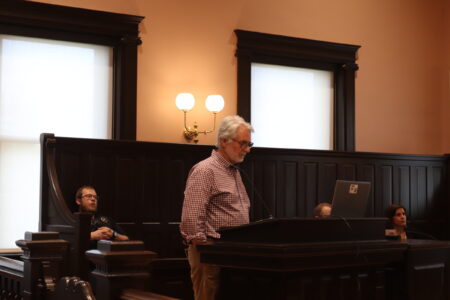
The call for such fees came today during a presentation by the committee at the Douglas County Courthouse.
The committee is working on a list of recommendations for amending Horizon 2020, the comprehensive land-use plan for Lawrence and Douglas County.
Topping the list: “The cost of community services will be recovered from residential development in the unincorporated area.”
“It’s something we should do,” said Charles Jones, chairman of the County Commission. “The city of Lawrence taxpayers shouldn’t be penalized by this development. Through a combination of permit fees or construction requirements, you can find a lot of value.”
Haase suggested that the county “piggyback” on a similar study to be conducted by a consultant for the city of Lawrence, but County Commissioners weren’t about to agree to such a move, at least not yet.
Such a fee could face an uphill road to approval. A basic premise of the argument – that city taxpayers unfairly shoulder too much of the cost of services provided by county government – rankled County Commissioner Bob Johnson.
“I pay taxes in the Baldwin school district, but never before, in the history of the entire Johnson family, has anyone ever attended a Baldwin public school,” Johnson said. “That’s tax inequity in its highest form, but that’s the world we live in.”
Johnson said that he didn’t have a problem paying such taxes for Baldwin schools, but that he was worried that talking too much about the fairness or unfairness of tax policy could hamper planners’ abilities to make recommendations about land-use policies.
“We don’t want to get people offended or defensive about what they’re paying or not paying,” Johnson said.
Committee members said that they would continue to refine their recommendations, in preparation for forwarding them on to officials in Baldwin, Eudora and Lecompton.
City Government
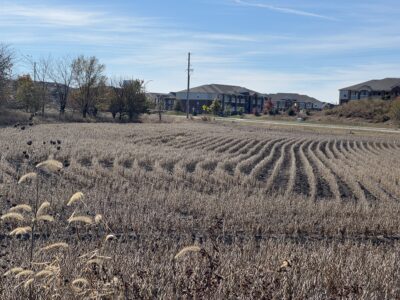
Developer seeks incentive from City of Lawrence to build 131 units of housing near Wakarusa and Queens

Lawrence city leaders will consider whether to keep Community Building open, make 2 other rec centers free to access
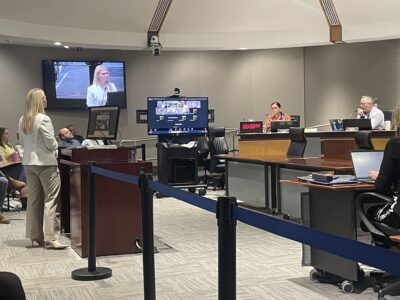
A STAR Bond application raises questions for city leaders about Costco and housing west of the SLT
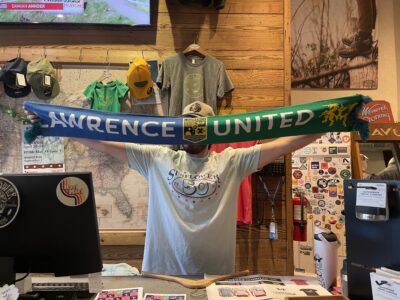
Soccer gear honoring Lawrence history’s all-star team is now on sale as part of city’s public art exhibition
To honor public servants, Lawrence’s July 4 celebration will have a whole gallery of their photos on display; submissions open now