Briefly
Mexico: State leaders vow to pursue death penalty
Politicians in Mexico’s most populous state vowed Monday to push ahead with a plan to institute the death penalty despite strong opposition from human rights groups, the president and the Roman Catholic Church.
Leaders of the former ruling Institutional Revolutionary Party, or PRI, said Monday that the results of a referendum Sunday gave them the mandate to push for capital punishment in Mexico state, a sprawling region of suburbs and shantytowns surrounding Mexico City.
The nonbinding referendum, sponsored by an alliance of the PRI and the Green Party, asked voters whether they would like to see kidnappers and murderers put to death. The poll also asked if life sentences should be imposed on rapists and corrupt police and judges.
Pastor said final returns showed 85 percent of voters were in favor of capital punishment and 95 percent favored life sentences.
Nigeria: Replacement workers dispatched in oil strike
Nigeria started sending replacement workers to its oil-export terminals Monday, trying to stave off a shutdown of crude exports in a strike by a powerful oil workers union.
The 2-day-old strike over pay and working conditions comes as the threat of war against Iraq and a prolonged strike in Venezuela have pushed oil prices near two-year highs.
Nigeria is the world’s sixth-largest exporter of crude oil and half of its exports go to the United States. Oil exports account for more than 80 percent of government revenue.
The Department of Petroleum Resources said Monday that managers would fill in for striking workers and vowed that the oil would continue to flow.
Russia: Crews finish unloading nuclear fuel from Kursk
Russian workers finished unloading nuclear fuel from a reactor in the ruined Kursk nuclear submarine, a news report said Monday.
The operation began Jan. 29 and was carried out by workers at the Nerpa shipyard in the Murmansk region, military specialists and other experts, Russia’s ITAR-Tass news agency said.
Authorities said unloading the fuel is the most dangerous phase in disposing of nuclear submarines. Adding to the danger, it was the first time the work was done on such a heavily damaged submarine.
Alexander Gorbunov, acting director of the Nerpa shipyard, told ITAR-Tass the shipyard will begin preparing the destroyed vessel for its transportation to a temporary storage site in the Barents Sea.
The Kursk sank in the Barents Sea in August 2000 after a torpedo exploded on board. All 118 men on the submarine were killed in the disaster.
Bolivia: Thousands demand president’s resignation
Thousands of Bolivians took to the streets Monday, calling for President Gonzalo Sanchez de Lozada to resign and denouncing the government’s handling of a deepening economic crisis.
A long column of farmers and unionists descended on the downtown Plaza San Francisco in La Paz, shouting anti-government slogans and decrying the military’s use of force during last week’s deadly riots triggered by an unpopular tax plan.
“The president must resign!” and “Long live the Bolivian worker!” protesters chanted.
Last week’s disturbances began when 7,000 police seeking a 40 percent raise walked off the job to protest a government plan for a new tax to reduce the budget deficit as required by the International Monetary Fund in exchange for new funds.
Clashes between government troops and striking police and protesters left 22 dead and more than 100 people injured.
City Government
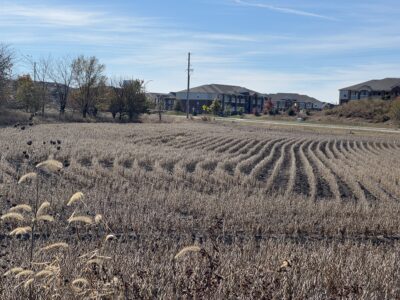
Developer seeks incentive from City of Lawrence to build 131 units of housing near Wakarusa and Queens

Lawrence city leaders will consider whether to keep Community Building open, make 2 other rec centers free to access
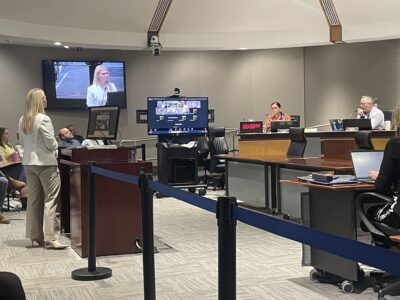
A STAR Bond application raises questions for city leaders about Costco and housing west of the SLT

Soccer gear honoring Lawrence history’s all-star team is now on sale as part of city’s public art exhibition
To honor public servants, Lawrence’s July 4 celebration will have a whole gallery of their photos on display; submissions open now