Livestock dealer says U.S. began ‘just a damn panic’
The federal government needlessly created panic with its handling of the discovery of mad cow disease in the United States, according to many in the Lawrence area whose livelihoods are tied to the beef industry.
“We just feel like it was blown out of proportion,” said Joyce Dillon, co-owner of the Overbrook Livestock Sale Barn. “They should have taken care of it in Washington — because it affects sale prices here in Kansas, as well.”
Instead of handling the single known case discretely, feed suppliers and livestock dealers in the Lawrence area complained Monday, the federal government announced the case on national television.
George Howe, owner of George’s Feed Store in Ottawa, said the government’s approach should have been to avert a crisis. Instead, he said, it created one.
“They shouldn’t have let that (news) get out like they did,” Howe said. “All these countries are blocking our meat, and we need those overseas markets. Just a damn panic” is what the government created.
The result could be financial disaster for some ranchers, Howe said, in a year in which high beef prices had been creating new prosperity.
“It could be devastating,” he said. “There’s guys just starting to make a little money, and now they’ll be in a terrible mess.”
But government officials said there were few other options for dealing with the discovery and that the steps taken were necessary.
“My opinion is the government tried to get out ahead of the firestorm,” said Commissioner George Teagarden of the Kansas Animal Health Department. “Once you have a case of (mad cow), you have to report it to your international trading partners. By waiting and hiding it, all they would have done is delay it and reduce confidence in our systems.”

 Mad cow hits state economy
 6News video: Mad cow disease detected (12-24-03)
Today marks one week since U.S. Agriculture Secretary Ann Veneman told a news conference that a single cow in the state of Washington was suspected of having bovine spongiform encephalopathy, a chronic degenerative disease of the central nervous system.
Since the discovery, more than two dozen countries have blocked U.S. beef imports, including Japan, the leading buyer of U.S. beef. Officials have recalled meat from eight U.S. states. And ranchers are watching beef prices drop.
Federal officials say they’ve tried to prevent a panic. Veneman, during her announcement, said she planned to serve beef at her Christmas dinner. The beef recalls, she said, were done out of “an abundance of caution.”
Madelaine Fletcher, a spokeswoman for the U.S. Department of Agriculture in Washington, D.C., told the Journal-World that keeping news of the disease quiet could have made the situation worse.
“Quite frankly, I think one has to be out front with the public on this kind of thing,” she said. “Not providing information has deleterious effects. That creates a vacuum, and that creates speculation.”
Dillon disagreed.
It’s not fair, she said, for one case halfway across the country to hurt the wallets of people in Kansas.
“They needed to take care of it in the state of Washington,” she said. “It doesn’t affect us right here.”
Teagarden said criticism from those whose incomes were linked to a healthy beef industry were understandable.
“They’re concerned, they’re troubled, and they’re worried about the price,” he said of Kansans in the livestock industry. “They’re hoping we can get this straightened out as soon as possible.”
City Government
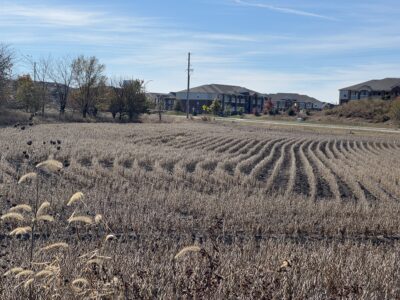
Developer seeks incentive from City of Lawrence to build 131 units of housing near Wakarusa and Queens

Lawrence city leaders will consider whether to keep Community Building open, make 2 other rec centers free to access
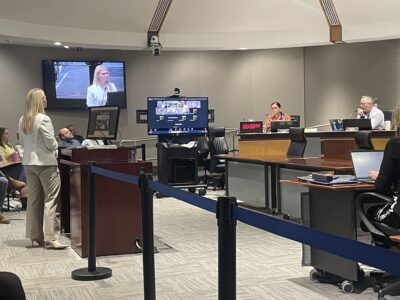
A STAR Bond application raises questions for city leaders about Costco and housing west of the SLT
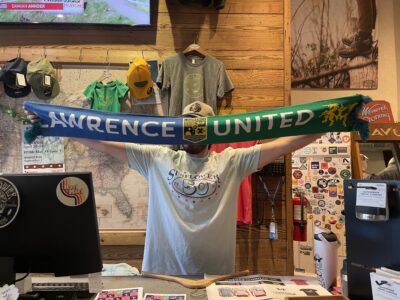
Soccer gear honoring Lawrence history’s all-star team is now on sale as part of city’s public art exhibition
To honor public servants, Lawrence’s July 4 celebration will have a whole gallery of their photos on display; submissions open now