Briefly
Steam whistle to return
The familiar steam whistle sound that signaled the end of classes at Kansas University for nearly a century soon will return to Mount Oread.
KU workers will mount it on top of the KU power plant, 1503 Sunflower Road, and begin testing it about 3 p.m. today.
The new whistle will replace a 60-year-old whistle, salvaged from a German freightliner in the 1940s, that suffered an irreparable crack on Jan. 22.
The new whistle, forged in bronze by a Cincinnati manufacturer, will return the traditional steam whistle signal that has been used on campus since 1912.
Names of the donors who provided financial support for making and installing the whistle also will be announced today.
The old whistle is on display on the first floor of the Kansas Union.
Schools
Lizard-loving benefactor donates to gecko’s care
Turns out Flannery has some anonymous friends.
An unnamed donor paid the leopard gecko’s $200 veterinary bill Thursday after a story about Flannery’s maladies ran in the Journal-World.
At least one other lizard lover volunteered to pick up any additional expenses for the gecko, a class pet at Prairie Park School.
“I was shocked and amazed,” said Bria Klotz, sixth-grade teacher at the school. “There’s some great people out there in the community. It was a great lesson for the kids.”
Not able to keep up with the costs, Klotz had decided Wednesday to forgo any additional treatment for Flannery, who had been rescued from a defunct pet store and recently was suffering after eating something indigestible.
A fund-raiser to help with the initial bill will be held as planned, 3 p.m. to 6 p.m. Saturday at the school’s annual carnival, 2711 Kensington Road.
In the meantime, Klotz said she would take Flannery back to the Gentle Care Animal Hospital for a check-up.
After the fund-raiser, Klotz said, she will decide whether the lizard should receive any additional treatment.
War
Lawrence Iraqi says family in Baghdad safe
Harith Hamid’s parents, brother and three sisters survived the bombing of Baghdad.
“My brother called two or three days ago. He said they are all OK,” said Hamid, a Lawrence resident who came to the United States from Iraq in 1991.
Hamid, 48, said his brother, a dentist, approached “someone in the press corps” outside the Palestine Hotel and asked to use the person’s cell phone.
“He could only talk for one minute,” Hamid said. “All he got to say was that everybody was all right and that things were moving in the right direction. It is wonderful to know.”
Hamid, who has been profiled in earlier Journal-World articles, said it was the first he had heard from his family since before the war.
Since then Hamid said he’d learned that Baghdad entrepreneurs were selling calls on black-market satellite phones for $3 to $10 a minute — U.S. dollars only.
Under Saddam Hussein’s dictatorship, Iraqi citizens were not allowed to own cell or satellite phones.
Hamid said he planned to go to Baghdad as soon as air travel resumed.
City Government
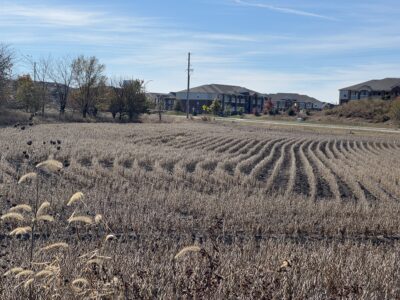
Developer seeks incentive from City of Lawrence to build 131 units of housing near Wakarusa and Queens

Lawrence city leaders will consider whether to keep Community Building open, make 2 other rec centers free to access
A STAR Bond application raises questions for city leaders about Costco and housing west of the SLT
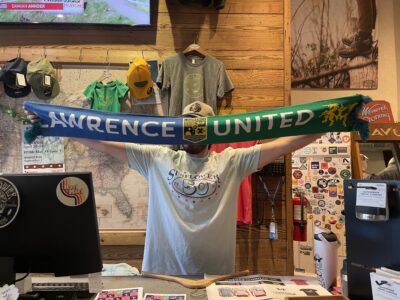
Soccer gear honoring Lawrence history’s all-star team is now on sale as part of city’s public art exhibition
To honor public servants, Lawrence’s July 4 celebration will have a whole gallery of their photos on display; submissions open now