Turn pumpkins into treats
Produce sections are groaning under the weight of this year’s crop of winter squash. Winter squash is harvested in the fall and early winter and is eaten when the rind of the squash is hard and the darkish-colored flesh is sweet. Many summer squash we enjoy, such as yellow crookneck and zucchini, would become winter squash if left on the vine to mature.
The hundreds of varieties of winter squash include acorn, Hubbard, butternut, cushaw and Charlie Brown’s favorite, the Great Pumpkin. Winter squash is too important to try to cover in one column, so with Halloween just around the corner, I will address pumpkins today.
There are many pumpkin varieties. Most stores carry at least three: the small- to medium-size sugar pumpkin (also named the pie pumpkin), for eating; the medium-to-giant field pumpkin (sometimes labeled the Halloween pumpkin), used for jack-o’-lanterns; and the mini pumpkin (often called the Jack Be Little), used for decorating and eating.
Pumpkins should never be refrigerated.
An uncut pumpkin will keep for weeks, sometimes months, in a cool place (50 to 60 degrees), which is why pumpkins occupied our ancestors’ root cellars, along with apples, potatoes, carrots, turnips and the other winter squash, providing fresh produce through the winter.
Pumpkins do not freeze well, probably because of their high water content, though pureed pumpkin can be frozen. Pumpkins are high in magnesium and potassium, making them nutritious as well as delicious.
When choosing pumpkins, look for taut skin and firm flesh with no holes or bruises, with any stem being solidly attached to the body of the pumpkin.
With all the savory and sweet treats you can make with pumpkins, you won’t have to trick your family into some pumpkin-eating to fuel their pumpkin-carving.
Roasted Mini-Pumpkins
4 mini pumpkins (also called Jack Be Little pumpkins)
1 teaspoon salt (I prefer kosher salt)
1 teaspoon freshly ground pepper (if you don’t have a grinder, put peppercorns in a zip-top bag and smash the closed bag with the bottom of a heavy skillet)
1 teaspoon ground cinnamon
1 teaspoon ground nutmeg (fresh-grated is best; buy whole nutmeg and grate it as you would grate cheese)
1/2 teaspoon ground allspice
4 tablespoons butter (I prefer unsalted), cut into four 1 tablespoon pats
4 tablespoons water
4 tablespoons maple syrup (see maple syrup note)
Preheat oven to 400 degrees. With a sharp paring knife, cut a ring around the stem of each pumpkin to form a lid. Remove the lids and set aside. With a small spoon, scrape out the seeds and any membranes from the pumpkins and from the underside of the lids. Sprinkle the inside of each pumpkin with one quarter of the salt and pepper.
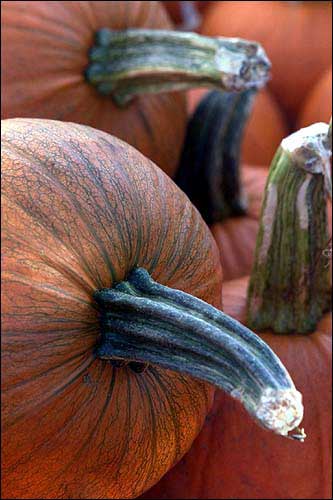
Ripe pumpkins are a true sign of fall. When choosing pumpkins look for taut skin and firm flesh with no holes or bruises. The stem should be solidly attached to the pumpkin.
In a small bowl, combine the spices. Sprinkle one-quarter of the total into each pumpkin’s cavity. Add one of the butter pats and 1 tablespoon water into each pumpkin. Measure 1 tablespoon maple syrup into each pumpkin. Set the pumpkins in a baking dish and pour water in to surround them. This water bath will help keep the pumpkins from burning. Replace the pumpkin lids and bake for about 30 to 35 minutes, until tender. Serve hot as an appetizer or as a side dish for poultry or meats.
Makes 4 servings.
Better-Than-Canned Pumpkin Puree
1 pumpkin (preferably a large sugar or pie pumpkin), about 8 pounds
2 tablespoons unsalted butter
Preheat oven to 350 degrees. Cut pumpkin in half. Scrape out the seeds and any membranes. Cover a baking sheet with aluminum foil. Place pumpkin halves, cut-side down, on the sheet. Poke a few holes in the skin with a fork. Sprinkle the two halves with a few drops of water. Place baking sheet in the oven, and bake for 1 to 1 1/2 hours, until the halves collapse and the flesh underneath is soft. Remove sheet from oven and let pumpkin rest until cool enough to handle but still warm.
Using a large spoon, scoop the pulp out of the skin. Puree the warm pulp in a blender or food processor with the butter (you may need to work in batches). If using a food mill, process the pulp, then stir in the butter. Serve as a side dish to grilled or roasted meats or poultry (season with salt and pepper first), or use for making pies or bread.
Also makes a tasty topping for toast (cut country or multigrain bread into strips and toast them, chop walnuts or pecans and mix into puree, place generous dollop of nut/pumpkin puree in center of toast, sprinkle with grated Parmesan or jack cheese, and run under broiler until cheese is browned. Makes about 4 cups.
Food
David Tamarkin’s recipe for Greens, Grains and Fried Egg works for any meal
Slow-cooked, sticky-glazed pork ribs go with cucumber slaw in Sam Way’s recipe
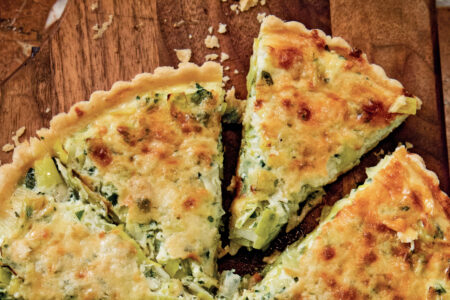
This quiche just might make you love leeks