Briefly
Toronto: Commission proposes health care changes
A government-appointed commission has proposed the most sweeping upgrade of Canada’s national health care system since its inception, including billions of dollars more to ensure equal access to free medical care.
The report, issued Thursday by former Saskatchewan Premier Roy Romanow, follows an 18-month, $10 million investigation that included public hearings across the country and studies on all aspects of the medicare system.
Romanow said officials in charge of the 30-year-old medicare system faced hard choices on whether to allow more private care that patients would pay for or to expand and strengthen the government-funded program.
The report proposes increasing federal health care spending $2.3 billion next year, followed by successive annual increases of $3.2 billion and $4.2 billion.
Ivory Coast: War fears increase as troops attack rebels
Ivory Coast slid toward all-out war Thursday as government troops attacked rebels behind a two-month uprising and a new group of insurgents seized a western town.
As fighting erupted in the center and west of the former French colony, West African mediators struggled to keep peace talks on track in nearby Togo.
Rebel negotiators in Togo’s capital, Lome, said they would stay at the talks despite the renewed fighting.
On the front line, hundreds of loyalist troops, accompanied by English-speaking mercenaries and backed by lethal Mi-24 helicopter gunships, rolled north from the central government-held town of Daloa toward rebel-held Vavoua, some 35 miles away, a French army spokesman said.
Fighting erupted between the loyalists and rebels on the road north, but by afternoon, the government troops had stopped at Baoulifla, 12 miles south of Vavoua.
Venezuela: Council schedules vote on Chavez’s leadership
Venezuela’s electoral commission agreed Thursday to schedule a nonbinding referendum on whether President Hugo Chavez should resign, as his opponents demand. Chavez allies vowed to challenge the decision before the Supreme Court.
The National Electoral Council voted 3-1, with one member absent, to approve the referendum and set it for Feb. 2.
Chavez didn’t immediately respond but has said he won’t heed the referendum even if his opponents “get 90 percent of votes.”
He also argues that under the constitution the earliest a referendum can be is in August – halfway through his six-year term.
Moscow: Putin sides with press in fight over freedoms
As the Kremlin cracks down on critical voices in the media, Russian President Vladimir Putin has cast himself in the unlikely role of champion of press freedom.
The Russian parliament, controlled by Kremlin allies, overwhelmingly passed tough new amendments last month restricting coverage of such issues as terrorist bombings and the brutal war in Chechnya. But when journalists asked Putin to veto the measure, he did.
Efforts to restrict the press have not ended, and in the end Putin may benefit most.
The Duma, Russia’s lower house of parliament, plans to debate another overhaul of the nation’s press laws in the next few weeks. At the suggestion of the Kremlin, legislators will work with a committee of journalists to draft those changes.
Putin’s government has been trying to rein in Russia’s media since he took power almost three years ago.
But that effort entered an aggressive new phase last month when Chechen guerrillas seized more than 750 hostages at a Moscow theater.
City Government
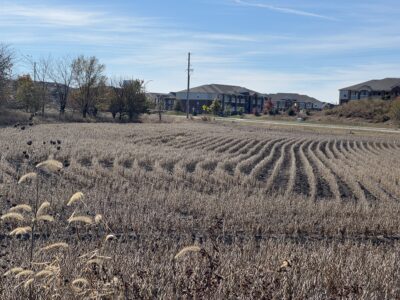
Developer seeks incentive from City of Lawrence to build 131 units of housing near Wakarusa and Queens

Lawrence city leaders will consider whether to keep Community Building open, make 2 other rec centers free to access
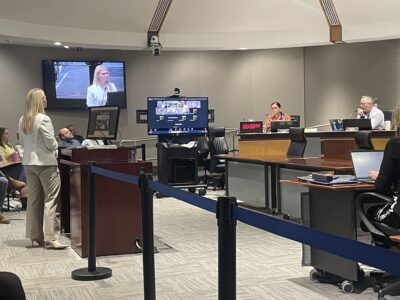
A STAR Bond application raises questions for city leaders about Costco and housing west of the SLT

Soccer gear honoring Lawrence history’s all-star team is now on sale as part of city’s public art exhibition
To honor public servants, Lawrence’s July 4 celebration will have a whole gallery of their photos on display; submissions open now