Briefly
Washington, D.C.
Three Mile Island study finds no cancer increase
People who live near the Three Mile Island nuclear plant show no significant increase in cancer deaths more than 20 years after an accident at the plant released low amounts of radiation.
Researchers at the University of Pittsburgh studied deaths between 1979 and 1998 among people who reside within five miles of the Pennsylvania plant. Their findings are reported on the Web site of the journal Environmental Health Perspectives.
The researchers did note that overall deaths among the residents near the plant were higher than would have been expected, but most of the increase was the result of heart disease, not cancer.
The researchers looked at 32,135 people who lived near the plant at the time of the accident in 1979 and who were interviewed by the Pennsylvania Department of Health at the time.
Dallas
Murderer’s outburst interrupts sentencing
A man convicted of killing an off-duty police officer threw a pitcher of water toward the jury, hit and kicked people and tried to hide under the table as the judge read his death sentence Thursday.
People screamed and scrambled out the door as deputies cleared the courtroom, subdued Licho Escamilla and took him away. Deputies brought Escamilla back a few minutes later under heavy guard and the judge finished reading his sentence.
Escamilla was convicted Monday in the shooting death of Officer Christopher Kevin James. James was killed and another policeman wounded on Nov. 25, 2001, as they tried to break up a fight in a nightclub parking lot.
Escamilla suffered minor gunshot wounds as other officers returned fire.
San Francisco
Appeals court upholds ban on Exxon Valdez
An appeals court upheld the federal law that bans the Exxon Valdez tanker from the Alaskan sound where it spilled nearly 11 million gallons of oil over a decade ago.
The 1990 Oil Pollution Act prohibits any ship from operating in Prince William Sound if it has spilled more than 1 million gallons of oil anywhere. The law called the sound an “environmentally sensitive area” and provided for increased penalties for pollution and more equipment to clean up spills.
Congress made the law retroactively enforceable to cover the Exxon Valdez spill, which occurred March 23, 1989.
The ship’s owner, SeaRiver Maritime International Inc., argued the law wrongly singled it out for punishment. The company, a subsidiary of Exxon Mobil Corp., is considering an appeal, a spokesman said.
The unanimous decision released Thursday by the 9th U.S. Circuit Court of Appeals upheld a 1998 ruling by an Alaska federal judge.
City Government
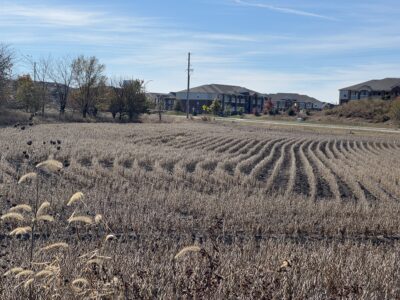
Developer seeks incentive from City of Lawrence to build 131 units of housing near Wakarusa and Queens

Lawrence city leaders will consider whether to keep Community Building open, make 2 other rec centers free to access
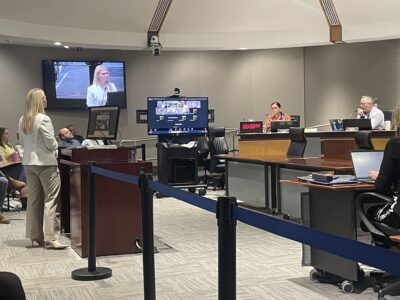
A STAR Bond application raises questions for city leaders about Costco and housing west of the SLT

Soccer gear honoring Lawrence history’s all-star team is now on sale as part of city’s public art exhibition
To honor public servants, Lawrence’s July 4 celebration will have a whole gallery of their photos on display; submissions open now